
In this article
- Sigfox excels in ultra-low power applications requiring small data transmissions, making it ideal for simple sensor deployments
- LoRaWAN offers the most flexible deployment options with both public and private network capabilities
- NB-IoT provides the highest data rates and most reliable connectivity through licensed cellular spectrum
- Each LPWAN technology serves different IoT use cases based on data requirements, coverage needs, and power constraints
- Cost structures vary significantly between Sigfox's subscription model, LoRaWAN's infrastructure investment, and NB-IoT's cellular pricing
- Rural coverage and indoor penetration capabilities differ substantially across these LPWAN technologies
The sigfox vs lorawan vs nb-iot lpwan shootout is one of the most critical decisions facing IoT developers today. Choosing between these three dominant solutions can make or break your IoT project.
Each technology brings clear advantages to the low power wide area network space. Sigfox dominates ultra-low power sensor applications. LoRaWAN provides unmatched deployment flexibility. NB-IoT leverages existing cellular infrastructure for reliable connectivity. Understanding their technical specs, deployment models, and real-world performance determines success in industrial IoT and smart cities implementations.
- Sigfox Technology Overview
- LoRaWAN Architecture and Capabilities
- NB-IoT Specifications and Features
- Data Rate and Performance Analysis
- Deployment Models and Infrastructure
- Power Consumption and Battery Life
- Coverage Range and Penetration
- Cost Analysis and Business Models
- Use Case Scenarios and Applications
Sigfox Technology Overview
Sigfox works as a proprietary LPWAN technology. It's designed for applications that need small amounts of data transmission. The Sigfox network uses ultra-low power modulation in unlicensed spectrum bands. It typically uses 868 MHz in Europe and 915 MHz in North America.
Sigfox achieves extreme power efficiency. Devices can achieve battery life over 10 years when transmitting minimal data payloads. Sigfox limits message size to 12 bytes uplink and 8 bytes downlink. It allows a maximum of 140 messages per day per device.
Sigfox Network Architecture
The Sigfox network uses a star topology. Devices communicate directly with base stations. Each base station covers wide areas. This is typically 30-50 km in rural areas and 3-10 km in urban environments. The network backend handles message routing, device management, and application integration.
Unlike other LPWAN technologies, Sigfox uses a unique approach. Multiple base stations receive each message. This improves reliability through spatial diversity. This backup system compensates for the lack of acknowledgment mechanisms in standard Sigfox transmissions.
LoRaWAN Architecture and Capabilities
LoRaWAN is the most flexible among LPWAN technologies. It offers both public and private network deployment options. The technology uses LoRa modulation in unlicensed spectrum. This enables organizations to build their own networks or use existing LoRaWAN network infrastructure.
The LoRaWAN network architecture includes end devices, gateways, network servers, and application servers. This distributed approach allows for scalable deployments. These range from single-building implementations to city-wide networks. The LoRa Alliance maintains the open standard. This ensures compatibility between different vendors.
LoRaWAN Data Rates and Classes
LoRaWAN supports variable data rates from 0.3 kbps to 50 kbps. It adapts transmission parameters based on distance and interference conditions. The protocol defines three device classes. Class A is for basic battery-powered devices. Class B is for beacon-synchronized applications. Class C is for continuously powered devices requiring low latency.
Message payload sizes in LoRaWAN range from 51 bytes to 242 bytes. This depends on the data rate used. This flexibility makes LoRaWAN suitable for diverse IoT applications requiring different data transmission patterns.
NB-IoT Specifications and Features
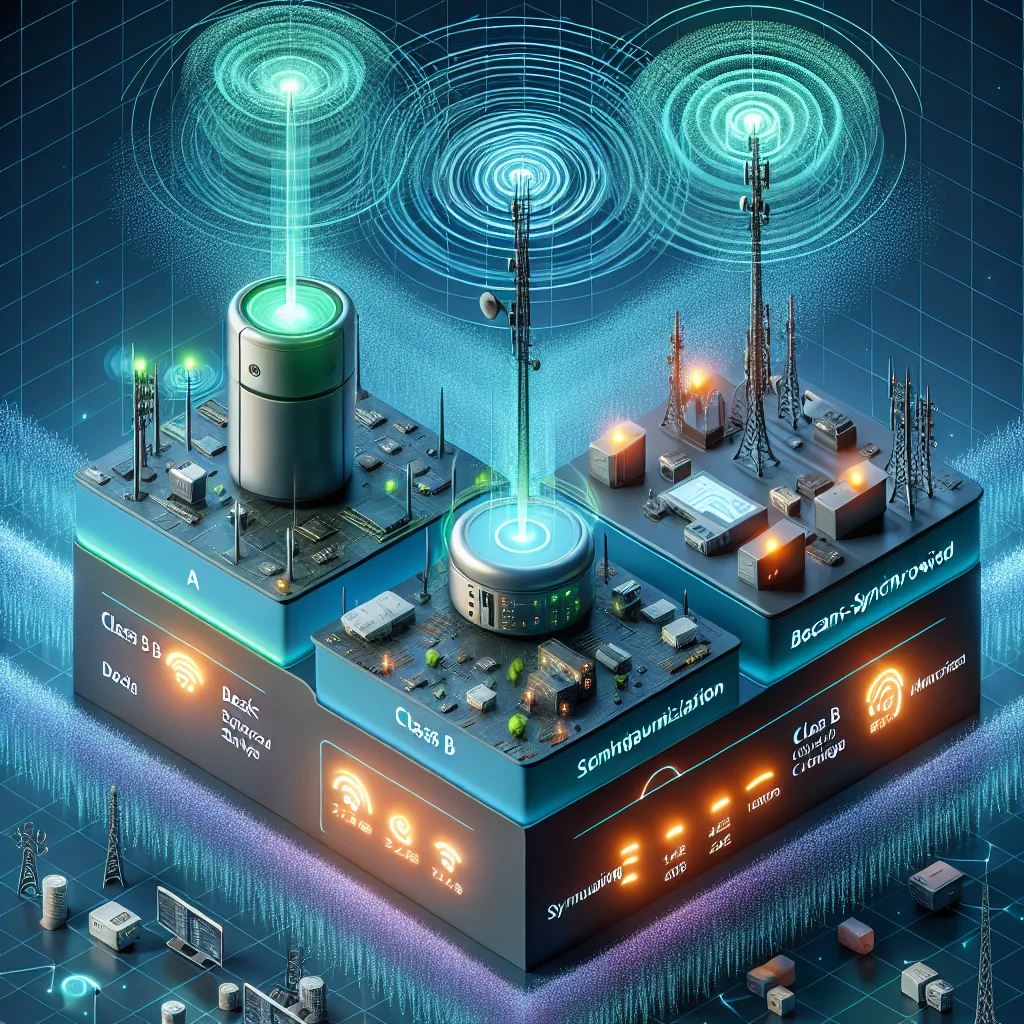
NB-IoT works within licensed cellular spectrum as part of the 3GPP standard. It provides reliable connectivity through existing cellular infrastructure. Unlike Sigfox and LoRaWAN, NB-IoT benefits from guaranteed spectrum access. It also has interference protection built into licensed bands.
The technology supports higher data rates than other LPWAN technologies. It reaches up to 250 kbps downlink and 170 kbps uplink. NB-IoT also provides better support for mobile applications. It offers seamless handover between cells. This makes it suitable for asset tracking use cases.
NB-IoT and LTE-M Integration
NB-IoT shares cellular infrastructure with LTE-M. LTE-M is another cellular IoT technology offering higher data rates and voice capabilities. This integration allows mobile operators to offer complete IoT connectivity solutions. They can span different performance requirements within a single network deployment.
The standardized nature of NB-IoT ensures global compatibility and economies of scale in device manufacturing. Major mobile operators worldwide have committed to NB-IoT deployments. This provides extensive coverage for IoT devices requiring cellular connectivity.
Data Rate and Performance Analysis
Comparing nb-iot vs other LPWAN technologies shows substantial differences in data rate capabilities. Sigfox offers the lowest data rates at about 100-600 bits per second. This is suitable only for basic sensor readings and simple commands.
LoRaWAN provides moderate data rates ranging from 300 bps to 50 kbps. It offers a balance between power consumption and data throughput. The adaptive data rate feature optimizes transmission parameters automatically. This maximizes network capacity while minimizing power consumption.
NB-IoT delivers the highest data throughput among LPWAN technologies. It supports applications requiring higher data volumes. This capability enables more sophisticated IoT applications. These include firmware updates, configuration changes, and multimedia content transmission.
Latency Considerations
Latency varies substantially across LPWAN technologies. Sigfox shows the highest latency due to its random access protocol and limited transmission windows. LoRaWAN offers better latency control through different device classes. NB-IoT provides the lowest latency among low power solutions.
Deployment Models and Infrastructure
Deployment strategies differ between these LPWAN technologies. Sigfox works primarily through a single global network operator model. Regional partners deploy and maintain the infrastructure. This approach simplifies device connectivity but limits deployment flexibility.
LoRaWAN supports multiple deployment models. These include public networks, private networks, and hybrid approaches. Organizations can build dedicated LoRaWAN networks for specific use cases. They can also use existing public infrastructure. This flexibility makes LoRaWAN attractive for industrial IoT applications requiring dedicated connectivity.
NB-IoT deployment uses existing cellular infrastructure. This enables rapid coverage expansion through software upgrades to existing cell sites. Mobile operators can deploy NB-IoT services without substantial infrastructure investments. This speeds up time-to-market for IoT solutions.
Infrastructure Investment Requirements
Infrastructure costs vary dramatically between LPWAN technologies. Sigfox requires substantial upfront investment in network infrastructure. But it distributes costs across all users through subscription fees. LoRaWAN allows organizations to control infrastructure investments based on specific coverage requirements.
NB-IoT uses existing cellular investments. This makes it cost-effective for operators already maintaining LTE networks. However, device costs may be higher due to the complexity required for cellular protocol support.
Power Consumption and Battery Life

Power consumption is a critical factor in IoT deployment success. Sigfox achieves exceptional low power performance through simple transmission protocols and minimal overhead. Devices can operate for over a decade on single batteries when transmitting daily sensor readings.
LoRaWAN also delivers excellent battery life through adaptive data rate mechanisms and efficient protocol design. The technology supports both battery-powered and continuously powered devices. This accommodates diverse power consumption requirements across different IoT applications.
NB-IoT provides competitive power consumption for cellular technology. It does this through power saving modes and extended discontinuous reception cycles. While not matching the extreme low-power performance of Sigfox, NB-IoT offers better power efficiency than traditional cellular technologies.
Power Optimization Techniques
Each LPWAN technology uses different power optimization strategies. Sigfox uses ultra-low power transmission to minimize transmit power requirements. LoRaWAN implements sleep modes and wake-up scheduling to reduce idle power consumption. NB-IoT uses cellular power saving features including power saving mode and extended idle mode discontinuous reception.
Coverage Range and Penetration
Coverage capabilities vary between LPWAN technologies. Sigfox achieves impressive long range coverage through ultra-low power signaling. It reaches 30-50 km in rural areas with single base stations. Urban coverage typically spans 3-10 km radius. This depends on building density and interference levels.
LoRaWAN provides comparable coverage ranges through spread spectrum modulation techniques. The technology adapts transmission parameters automatically to optimize coverage and capacity. This enables flexible network planning for diverse deployment scenarios.
NB-IoT uses cellular signal propagation characteristics for reliable coverage. It particularly excels in deep indoor penetration scenarios. The technology provides 20 dB better penetration than traditional GSM. This makes it suitable for applications in basements, parking garages, and industrial facilities.
Rural Areas and Remote Connectivity
Coverage in rural areas presents unique challenges for LPWAN technologies. Sigfox and LoRaWAN excel in remote deployments due to their long range capabilities and unlicensed spectrum operation. NB-IoT coverage depends on cellular network expansion. This may lag in remote regions.
Cost Analysis and Business Models
Cost structures differ between LPWAN technologies. Sigfox works on a subscription-based model where device owners pay annual connectivity fees. This approach simplifies budgeting but creates ongoing operational expenses throughout device lifetimes.
LoRaWAN offers more flexible cost models depending on deployment approach. Private networks require upfront infrastructure investment but eliminate ongoing connectivity fees. Public LoRaWAN networks typically charge per message or monthly subscription fees.
NB-IoT pricing follows traditional cellular models with monthly service fees. These are based on data usage or subscription plans. Device costs may be higher due to cellular modem complexity. But economies of scale in cellular manufacturing help offset this disadvantage.
Total Cost of Ownership
Evaluating total cost of ownership requires considering device costs, connectivity fees, infrastructure requirements, and operational expenses. For applications requiring minimal data transmission over long periods, Sigfox often provides the lowest total cost. LoRaWAN excels in scenarios requiring private network control or high device density. NB-IoT becomes cost-effective for applications requiring higher data rates or mobile connectivity.
Use Case Scenarios and Applications
Different LPWAN technologies excel in specific use case scenarios. Sigfox dominates simple sensor applications. These include environmental monitoring, parking sensors, and basic asset tracking. The technology's ultra-low power consumption and minimal data requirements make it ideal for smart metering applications transmitting small amounts of data infrequently.
LoRaWAN serves broader IoT applications requiring more flexible data transmission patterns. Smart cities implementations often choose LoRaWAN for applications requiring private network control or integration with existing IT infrastructure. The technology supports both simple sensor deployments and more complex applications requiring bidirectional communication.
NB-IoT targets applications that require higher data rates, mobility support, or guaranteed service quality. Asset tracking solutions benefit from NB-IoT's cellular handover capabilities and location services integration. Smart metering applications requiring frequent data transmission or remote configuration updates often choose NB-IoT for its superior data handling capabilities.
Industrial IoT Applications
Industrial IoT deployments present unique requirements that influence LPWAN technology selection. Manufacturing facilities often prefer LoRaWAN for private network control and integration with existing industrial systems. Utility companies frequently choose NB-IoT for smart meter deployments requiring reliable connectivity and higher data throughput.
Environmental monitoring applications typically favor Sigfox for its exceptional battery life and low deployment costs. Agricultural IoT solutions often use the long range capabilities of both Sigfox and LoRaWAN for wide area coverage in rural environments.
Comparing LPWAN Solutions: A Complete Analysis
When evaluating LPWAN solutions for business deployments, a complete comparison of major LPWAN technologies shows clear advantages for different use cases. Each technology offers unique connectivity options that serve specific requirements within the expanding IoT ecosystem. Understanding these differences helps organizations make an informed decision based on their specific operational needs.
The LPWAN landscape has evolved substantially. Three dominant technologies now offer wide coverage for various applications. NB-IoT uses existing cellular infrastructure to provide reliable LPWAN connectivity. LoRaWAN and Sigfox work in unlicensed spectrum bands. Each approach brings different benefits to the LPWAN space. These range from network ownership models to data transmission capabilities.
Organizations comparing leading LPWAN solutions often focus on network topology and deployment flexibility as key differences. Sigfox technologies work on a centralized network model with predetermined coverage areas. This makes them suitable for low data applications requiring minimal configuration. This contrasts with LoRaWAN's decentralized approach. It offers greater control over network deployment and management.
Cellular vs Unlicensed LPWAN Technologies
The debate between LTE-M vs other LPWAN connections often centers on reliability and global standardization. NB-IoT and LTE-M both use licensed cellular spectrum. This provides guaranteed service levels and seamless integration with existing mobile networks. This makes them ideal for IoT applications requiring consistent performance and global roaming capabilities.
LoRa and Sigfox represent the unlicensed approach to LPWAN connectivity. They offer cost-effective deployment options for specific regional applications. When comparing major LPWAN solutions, organizations must weigh the benefits of network control against the reliability of carrier-managed infrastructure. The choice between these IoT technologies depends on application requirements, geographical coverage needs, and long-term scalability plans.
Each IoT network type serves different segments of the market. This creates a diverse ecosystem of LPWAN solutions. The ability to compare LoRaWAN against cellular alternatives ensures that enterprises can select the most appropriate technology for their specific connectivity requirements and operational constraints.
Network Architecture and Deployment Models
The deployment architecture varies between these LPWAN technologies. A private lorawan network gives enterprises complete control over their infrastructure. This allows custom configurations and enhanced security for mission-critical applications. Unlike cellular IoT, which relies on existing cellular infrastructure, LoRaWAN enables organizations to build dedicated networks tailored to their specific needs.
Sigfox is a leading LPWAN provider that works on a different model entirely. It provides network-as-a-service through partnerships with local operators worldwide. The sigfox 0g network covers over 70 countries. It offers plug-and-play connectivity without requiring organizations to manage their own infrastructure. This approach contrasts with lorawan technology. LoRaWAN offers more flexibility but demands greater technical expertise for deployment.
Performance Characteristics and Use Cases
Latency requirements play a crucial role in selecting the right technology for your iot deployment. LoRaWAN shows lower latency compared to cellular solutions in many scenarios. This makes it suitable for applications requiring more responsive communication. The lorawan protocol excels in iot applications where devices need bidirectional communication with reasonable response times.
NB-IoT uses licensed spectrum and benefits from cellular network reliability. This makes it ideal for large-scale iot deployments that prioritize guaranteed message delivery. The technology supports asset tracking, smart metering, and industrial monitoring. These are areas where network coverage consistency matters more than ultra-low power consumption. However, sigfox uses proprietary technology optimized for uplink-heavy applications with minimal power requirements.
Market positioning reveals clear advantages for each technology. The lora and lorawan iot market continues expanding rapidly. It's governed by the lora alliance, which ensures compatibility between vendors. Meanwhile, cellular IoT connections benefit from existing cellular infrastructure investment. Like cellular technologies, other 3GPP technologies use established operator relationships for faster deployment.
Mobile Network Integration and Infrastructure
NB-IoT is a mobile network technology that works within existing LTE infrastructure. This gives it immediate global reach through established cellular networks. This integration allows enterprises to deploy IoT solutions without building new infrastructure. They can use the reliability and coverage that mobile operators have spent decades perfecting. The seamless integration makes NB-IoT particularly attractive for applications requiring guaranteed connectivity and professional-grade service level agreements.
Sigfox stands as the pioneer in ultra-low power communication. It runs its own proprietary network infrastructure across multiple continents. The company's approach differs from cellular-based solutions. It built dedicated base stations optimized for low-power, low-data IoT applications. Sigfox also offers unique advantages in battery life optimization. Devices can work for over 10 years on a single battery in optimal conditions.
Complete Analysis of LPWAN Technologies
Communication in the IoT landscape demands different approaches depending on application requirements. Each LPWAN technology addresses specific use cases with clear advantages. LoRaWAN excels in private network deployments where organizations need complete control over their infrastructure and data. Public networks provide wider coverage without infrastructure investment. NB-IoT is also particularly well-suited for mission-critical applications that require guaranteed message delivery and real-time responsiveness.
Sigfox is also notable for its simplicity in device implementation. It requires minimal processing power and memory compared to other LPWAN technologies. This simplicity translates to lower device costs and reduced complexity in firmware development. This makes it ideal for high-volume deployments of simple sensors. The trade-off comes in message limitations and lack of bidirectional communication capabilities. This restricts its use to basic monitoring scenarios.
The choice between these technologies depends on specific deployment requirements. This includes coverage needs, data volume expectations, and infrastructure preferences. Each technology serves different segments of the IoT market. LoRaWAN dominates private networks. NB-IoT leads in cellular-integrated solutions. Sigfox maintains its position in ultra-simple, cost-sensitive applications.
Frequently Asked Questions
What is the best LPWAN technology for smart cities applications?
LoRaWAN often emerges as the preferred choice for smart cities. This is due to its flexible deployment options and ability to create private networks. The technology supports diverse IoT applications within a single network infrastructure. This ranges from simple sensor monitoring to more complex asset tracking systems. However, NB-IoT may be better for applications requiring higher data rates or mobility support.
How does battery life compare between Sigfox, LoRaWAN, and NB-IoT?
Sigfox achieves the longest battery life among LPWAN technologies. Devices can work over 10 years on single batteries for basic sensor applications. LoRaWAN provides excellent low power performance. Battery life typically ranges from 5-10 years depending on transmission frequency. NB-IoT offers competitive power consumption for cellular technology. But it generally requires more frequent battery replacement than unlicensed LPWAN options.
Which LPWAN technology offers the highest data rate?
NB-IoT provides the highest data rates among LPWAN technologies. It supports up to 250 kbps downlink and 170 kbps uplink. This capability enables applications requiring higher data volumes. These include firmware updates and configuration changes. LoRaWAN offers moderate data rates up to 50 kbps. Sigfox provides the lowest data rates at about 100-600 bps. This is suitable only for small amounts of data transmission.
Can these LPWAN technologies work in rural areas with limited infrastructure?
Sigfox and LoRaWAN excel in rural areas. This is due to their long range capabilities and unlicensed spectrum operation. Both technologies can provide coverage over 30-50 km radius in open environments. This makes them suitable for agricultural and remote monitoring applications. NB-IoT coverage in rural areas depends on cellular network expansion. This may be limited in remote regions where cellular operators have not deployed infrastructure.
What are the typical use cases for each LPWAN technology?
Sigfox excels in simple sensor applications. These include environmental monitoring, basic asset tracking, and smart metering. It's ideal where small amounts of data need transmission infrequently. LoRaWAN serves broader IoT applications. This includes smart cities implementations, industrial IoT, and scenarios requiring private network deployment. NB-IoT targets applications needing higher data rates, mobility support, or guaranteed connectivity quality. Examples include advanced asset tracking and smart meter deployments requiring frequent data transmission.
How do deployment costs compare across these LPWAN technologies?
Deployment costs vary based on the chosen model. Sigfox works on subscription fees without infrastructure investment requirements. LoRaWAN can require substantial upfront investment for private networks but eliminates ongoing connectivity fees. NB-IoT uses existing cellular infrastructure but typically involves monthly service fees similar to traditional cellular plans. The optimal choice depends on specific IoT deployment requirements and expected device volumes.
Which LPWAN technology offers the best coverage for global IoT deployments?
NB-IoT provides the most extensive global coverage through existing cellular infrastructure. This makes it ideal for applications requiring wide coverage across multiple countries. The technology uses established mobile networks. This ensures consistent service availability and standardized performance metrics. For organizations seeking comprehensive global connectivity with minimal infrastructure investment, NB-IoT represents the most scalable option in the current LPWAN landscape.
How do I choose between different LPWAN connectivity options for low-power sensors?
The choice depends on your specific application requirements. Each technology offers clear advantages for different IoT technologies implementations. Consider factors like data payload size, transmission frequency, battery life requirements, and geographical coverage. Evaluate LPWAN connections based on these parameters. Organizations must analyze these factors against their operational needs. This helps make an informed decision about which solution best serves their IoT ecosystem requirements.
What makes Sigfox different from other LPWAN solutions in terms of network management?
Sigfox technologies work on a unique network-as-a-service model. The infrastructure is centrally managed. This eliminates the need for enterprises to deploy or maintain network equipment. This approach contrasts with LoRaWAN's distributed model. This makes Sigfox particularly suitable for low data applications requiring minimal technical overhead. The centralized approach simplifies deployment but limits customization options compared to other connectivity options in the LPWAN space.
Are there specific industries where one LPWAN technology performs better than others?
Yes, certain industries benefit more from specific LPWAN solutions. This is based on their operational requirements and regulatory constraints. Agriculture and environmental monitoring often favor LoRaWAN for its flexibility and cost-effectiveness in rural deployments. Utilities and smart city applications frequently choose NB-IoT for its reliability and carrier-grade service guarantees. Manufacturing and logistics operations may prefer different technologies based on their specific connectivity options needs and existing infrastructure investments.
Which LPWAN technology offers the best scalability for enterprise deployments?
The right iot technology depends on your specific scalability requirements and infrastructure preferences. NB-iot devices can use existing cellular networks for immediate large-scale deployment. Lora devices offer more flexibility through private networks that can scale incrementally based on coverage needs.
How do power consumption requirements differ between these technologies?
Power efficiency varies across LPWAN options. Each technology is optimized for different usage patterns. Sigfox excels in ultra-low power scenarios with infrequent uplink transmissions. Cellular IoT supports more frequent communication at the cost of higher power consumption during active transmission periods.
What factors should determine my choice between public and private network deployment?
Choosing the right technology for your iot project requires evaluating control requirements, security needs, and operational preferences. Public networks like Sigfox offer immediate deployment with minimal technical overhead. Private lorawan networks provide complete control over network parameters and data routing.
Which technology provides the most reliable coverage for mission-critical applications?
Coverage reliability depends heavily on your geographic requirements and application criticality. Cellular IoT uses established cellular infrastructure for consistent coverage. LoRaWAN networks can be customized to provide backup coverage in specific areas where standard cellular signals may be weak or unavailable.
What makes NB-IoT different from other LPWAN technologies?
NB-IoT is a mobile network standard that works within existing LTE infrastructure. It provides guaranteed quality of service and professional support through established cellular operators. Unlike proprietary solutions, it benefits from standardized protocols and global roaming capabilities. NB-IoT is also designed for applications requiring reliable, bidirectional communication with relatively higher data rates compared to other LPWAN options.
How does Sigfox's network architecture compare to LoRaWAN?
Sigfox stands out with its proprietary, operator-managed network that requires no infrastructure investment from users. LoRaWAN offers both public and private network options. Sigfox also emphasizes extreme simplicity in device design and ultra-low power consumption. This makes it ideal for basic sensor applications. Communication in the IoT through Sigfox is limited to short, infrequent messages. LoRaWAN provides more flexibility in message size and frequency.
Which LPWAN technology offers the best global coverage?
Sigfox is also expanding globally through partnerships with local operators. It currently covers over 70 countries with its proprietary network infrastructure. NB-IoT is a mobile technology that uses existing cellular infrastructure. This provides immediate access to established operator networks worldwide. The coverage choice depends on whether you need Sigfox's dedicated IoT-optimized network or NB-IoT's integration with proven cellular infrastructure.
What are the key limitations of each LPWAN technology?
Sigfox also restricts communication to 140 uplink messages per day with limited payload size. This makes it unsuitable for data-intensive applications. Communication in the IoT through LoRaWAN can face scalability challenges in dense deployments. This is due to potential interference between devices. NB-IoT is also more power-hungry than alternatives during transmission. This requires more frequent battery replacements in remote sensor applications.
Selecting the right LPWAN technology for your IoT solution requires careful analysis of technical requirements, deployment constraints, and long-term costs. Sigfox excels for simple sensor applications requiring extreme low power consumption. LoRaWAN provides flexibility for diverse deployment scenarios. NB-IoT offers cellular reliability and higher data rates. Success depends on matching technology capabilities to specific use case requirements. It also means understanding the trade-offs between power consumption, data rate, coverage, and cost across different LPWAN technologies.
Related Articles
Satellite IoT Connectivity: M2M Beyond Cellular Coverage
Satellite IoT connectivity changes how m2m communication works. It extends IoT devices beyond regular network limits. When cellular coverage fails in re...
Wi-Fi vs Cellular for IoT: When to Use Each
Choosing between wi-fi vs cellular for iot when to use each option is a critical decision. It impacts deployment success, operating costs, and device pe...
RFID Technology in M2M: How It Works
RFID technology in M2M systems changes how machines communicate and exchange data. Radio frequency identification enables automated tracking and data co...