
In this article
Key Takeaways
- Wi-fi works best for stationary IoT devices that need high data speeds in places with existing router setup
- Cellular networks provide wide coverage and support for moving IoT devices in remote locations
- Power use differs a lot - wifi typically uses more energy but offers higher bandwidth
- Costs vary between upfront wifi network setup and ongoing cellular data plan expenses
- Security factors and setup complexity affect the best connectivity option for each use case
- Many IoT apps work better with hybrid approaches that combine both cellular and wi-fi connectivity
Choosing between wi-fi vs cellular for iot when to use each option is a critical decision. It impacts deployment success, operating costs, and device performance. Each connectivity solution offers different benefits and limits. This makes them suitable for different IoT scenarios. Understanding these trade-offs helps engineers and project managers choose the right connectivity approach.
The internet of things ecosystem needs reliable connectivity across diverse environments. This includes factory floors to remote agricultural fields. Wi-fi provides high-bandwidth local area network access with minimal ongoing costs. Cellular networks offer widespread coverage and built-in mobility support. The decision between these technologies affects everything from device battery life to data transmission costs.
Table of Contents
- Wi-Fi Connectivity Fundamentals for IoT
- Cellular Connectivity Advantages in IoT Applications
- Power Consumption and Battery Life Considerations
- Cost Analysis: Infrastructure vs Ongoing Expenses
- Deployment Scenarios: When to Choose Each Option
- Security and Reliability Factors
- Hybrid Approaches: Combining Wi-Fi and Cellular
- Frequently Asked Questions
Wi-Fi Connectivity Fundamentals for IoT
Wi-fi for iot offers high-speed connections through existing wireless networks. This makes it ideal for stationary IoT devices that need frequent data transmission. Wi-fi networks typically provide 802.11 standards with speeds from 54 Mbps to several gigabits per second. This depends on the protocol version and environmental conditions.
Wi-fi connectivity becomes cost-effective for high-data applications once router and network infrastructure exist. Additional IoT devices can connect without recurring monthly fees. This makes wifi particularly attractive for smart building applications, industrial monitoring systems, and consumer IoT products operating within established facilities.
Wi-fi networks have limited range compared to cellular coverage. Most wifi implementations work effectively within 100-300 feet of the access point. This varies based on building materials and interference. IoT devices must stay close to a functional router. This restricts deployment flexibility in remote or mobile applications.
Wi-Fi Protocol Considerations for IoT
Modern IoT deployments often use specialized wifi protocols optimized for low-power operation. Wi-fi 6 introduces features like target wake time (TWT). This allows IoT devices to schedule communication windows. This reduces power consumption while maintaining connectivity. These improvements make wi-fi networks more suitable for battery-powered connected devices than previous generations.
Cellular Connectivity Advantages in IoT Applications
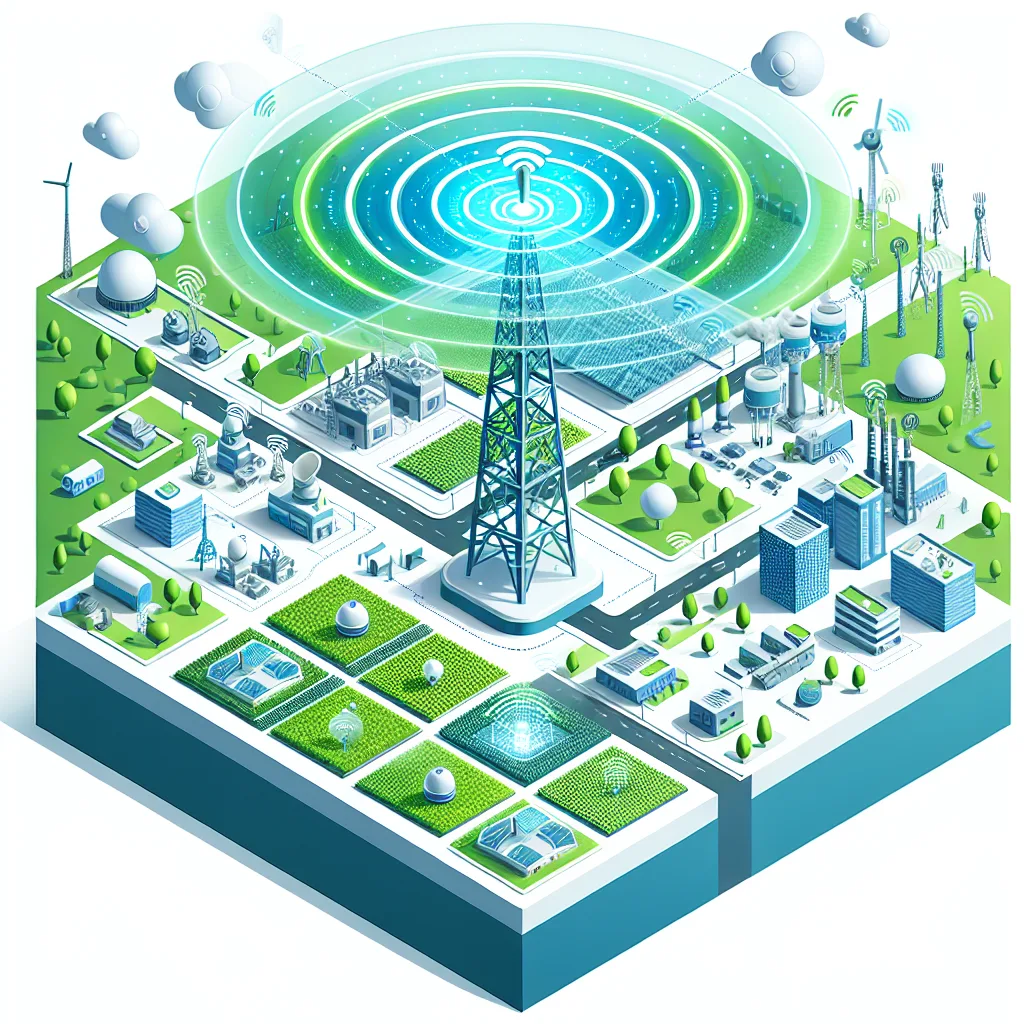
Cellular connectivity provides widespread coverage through established network operators. This enables IoT deployment in virtually any location with cellular tower access. Cellular networks support multiple technologies including 4G LTE, 5G, and specialized IoT protocols like NB-IoT and LTE-M. Each is optimized for different use cases and power requirements.
The mobility aspect of cellular iot makes it essential for tracking applications, fleet management, and portable monitoring systems. Unlike wifi networks that require proximity to a specific access point, cellular connectivity follows devices as they move across geographic areas. It maintains consistent communication capabilities.
Cellular data transmission operates through dedicated network infrastructure managed by telecommunications providers. This professional-grade wireless network typically offers better reliability compared to consumer wifi installations. It includes built-in redundancy and service level agreements that guarantee uptime percentages.
Cellular Technology Options
Different cellular technology standards serve various IoT requirements. LTE-M provides moderate bandwidth with extended battery life. This makes it suitable for asset tracking and smart meters. NB-IoT offers ultra-low power consumption for simple sensor applications. 5G enables high-bandwidth applications like video surveillance and industrial automation.
An iot sim card enables cellular connectivity by providing network authentication and data plan access. These specialized SIM cards often include features like global roaming and remote management capabilities. These simplify IoT device deployment across multiple geographic regions.
Power Consumption and Battery Life Considerations
Power consumption is a critical factor when comparing wifi vs cellular for iot applications. This is particularly true for battery-powered devices. Wifi typically consumes more power during active transmission. This is due to higher data rates and the need to maintain association with access points. Wifi devices can enter deep sleep modes between transmissions. This extends battery life in applications with infrequent communication requirements.
Cellular connectivity generally offers better power efficiency for low-data applications. This is through protocols specifically designed for iot device operation. NB-IoT and LTE-M include power saving modes. These allow devices to remain dormant for extended periods while maintaining network registration. This enables battery life measured in years rather than months.
The power profile differs significantly between technologies. Wifi devices experience power spikes during association and data transmission. Cellular devices maintain more consistent power draw. This characteristic makes cellular technology more predictable for battery life calculations in iot deployment scenarios.
Cost Analysis: Infrastructure vs Ongoing Expenses
Cost structures for wifi and cellular connectivity follow different models. These impact long-term iot project economics. Wifi requires upfront investment in router infrastructure, access points, and network management systems. However, ongoing operational costs remain minimal once the network is established. This makes wifi cost-effective for high-density IoT deployments within limited geographic areas.
Cellular connectivity involves minimal upfront infrastructure costs. However, it requires ongoing data plan expenses for each connected device. Monthly or annual fees accumulate over the device lifecycle. This makes cellular more expensive for high-data applications but potentially cost-effective for low-bandwidth sensors with infrequent transmission requirements.
Hidden costs affect both connectivity options. Wifi networks require IT support for maintenance, security updates, and troubleshooting. Cellular solutions may include additional fees for device management, global roaming, or premium support services. These operational expenses factor into total cost of ownership calculations.
ROI Considerations
Return on investment calculations must consider deployment scale, data requirements, and operational lifespan. Large-scale IoT deployments with hundreds or thousands of devices often favor wifi due to economies of scale. Smaller deployments or mobile applications may find cellular more cost-effective despite higher per-device costs.
Deployment Scenarios: When to Choose Each Option

Smart building applications represent an ideal use case for wifi connectivity. Environmental sensors, lighting controls, and HVAC monitoring systems benefit from high-bandwidth wifi networks already present in commercial facilities. The stationary nature of these IoT devices aligns with wifi coverage limitations. High data throughput requirements justify the power consumption trade-offs.
Agricultural monitoring shows cellular iot applications. Soil sensors, weather stations, and irrigation controls deployed across large outdoor areas require connectivity beyond wifi range. Cellular networks provide reliable communication for remote IoT devices without requiring expensive infrastructure deployment in rural locations.
Fleet tracking and asset monitoring demand cellular connectivity due to mobility requirements. Vehicles, shipping containers, and portable equipment move through multiple coverage areas. This makes cellular network widespread coverage essential for continuous connectivity. GPS tracking combined with cellular data transmission enables real-time location monitoring regardless of device position.
Industrial IoT Applications
Manufacturing environments often use both connectivity options within the same facility. High-bandwidth applications like machine vision and production monitoring may use wifi networks. Mobile robots and material handling equipment rely on cellular connectivity for seamless operation across factory floors.
Oil and gas operations frequently choose cellular for remote monitoring applications. Pipeline sensors, wellhead monitoring, and environmental compliance systems operate in locations without existing network infrastructure. This makes cellular the only practical connectivity solution for these critical IoT applications.
Security and Reliability Factors
Security profiles differ between wifi and cellular connectivity. This influences suitability for various iot deployment scenarios. Wifi networks face exposure to local security threats. These include unauthorized access attempts and interference from nearby devices. Enterprise wifi implementations can implement robust encryption and network segmentation to protect IoT traffic.
Cellular connectivity benefits from operator-managed security infrastructure. This includes encrypted communication channels and authenticated network access. The closed nature of cellular networks reduces attack vectors compared to wifi. However, IoT devices remain vulnerable to application-level security issues regardless of connectivity method.
Network reliability varies between implementations. Consumer-grade wifi networks may experience frequent outages or performance degradation. Enterprise wifi installations with proper maintenance achieve high reliability. Cellular networks typically offer superior reliability through redundant infrastructure and professional network management. However, coverage gaps can affect specific geographic locations.
Hybrid Approaches: Combining Wi-Fi and Cellular
Many modern IoT applications benefit from cellular and wi-fi connectivity implemented as complementary technologies rather than competing alternatives. Hybrid approaches use wifi as the primary connectivity option when available. They have automatic failover to cellular connectivity when wifi becomes unavailable or unreliable.
Smart meters show effective hybrid implementation. These IoT devices primarily use cellular connectivity for daily data reporting. They can use wifi networks for software updates or configuration changes when maintenance personnel bring mobile hotspots to device locations. This approach optimizes both operational costs and functionality.
Vehicle telematics systems often implement wifi and cellular connectivity for different functions. Cellular connectivity enables continuous GPS tracking and emergency communication. Wifi supports high-bandwidth applications like software updates or diagnostic data transfer when vehicles return to depot locations with available wifi coverage.
Implementation Strategies
Successful hybrid connectivity requires intelligent switching logic. This considers factors like data costs, bandwidth requirements, and battery life. IoT devices can prioritize wifi for high-bandwidth transfers and cellular for critical low-latency communications. This optimizes both performance and operational expenses.
Network Coverage and Range Considerations
When evaluating wifi for iot deployments, network coverage becomes a critical factor that often determines project success. Cellular networks provide extensive geographical coverage through established tower infrastructure. Wi-Fi networks typically offer limited range requiring additional access points for broader coverage. The differences between cellular and wifi coverage patterns significantly impact deployment strategies. This is especially true for applications spanning large facilities or outdoor environments.
Smart devices operating in industrial environments face unique challenges when choosing between cellular or wifi connectivity options. Cellular networks maintain consistent internet connectivity across vast distances. This makes them ideal for asset tracking and remote monitoring applications. A local wifi network can provide higher bandwidth and lower latency within confined areas. This supports data-intensive IoT solutions that require real-time processing.
Security and Network Management
The differences between cellular networks and Wi-Fi infrastructure extend beyond coverage to include security protocols and network management complexity. Wifi security implementations vary significantly across deployments. They require careful configuration of encryption standards, access controls, and network segmentation. Cellular networks provide inherent security through carrier-grade authentication and encryption. This reduces the administrative burden on IoT system operators.
When choosing between cellular and wi-fi for your iot network, consider the trade-offs between local network control and managed connectivity services. Organizations maintaining their own local wifi network gain granular control over security policies and bandwidth allocation. However, they assume responsibility for network maintenance and updates. Use cases for cellular iot often emerge when organizations prefer outsourcing network management to carriers while maintaining reliable connectivity for mission-critical applications.
The decision between cellular vs traditional network options requires careful analysis of long-term operational requirements and scalability needs. Dual-connectivity solutions incorporating both cellular and wifi connectivity provide redundancy and flexibility. These allow devices to automatically switch between networks based on availability and performance metrics. This hybrid approach maximizes uptime while optimizing costs across diverse deployment scenarios compared to wi-fi or cellular-only implementations.
Cost Analysis: Understanding Long-Term Financial Impact
When evaluating cellular versus wi-fi for IoT deployments, cost structures differ significantly beyond initial hardware investments. Cellular data plans are generally more expensive than wifi for high-bandwidth applications. However, comparable wifi plans may not exist in remote locations where cellular coverage proves essential. Organizations must factor in monthly recurring costs from cellular providers alongside one-time infrastructure investments for wifi router installations and network equipment.
Many iot devices require minimal data transmission. This makes low-cost cellular plans viable alternatives to complex wifi infrastructure. Enterprises that have already relied on wifi for their operations often find expanding existing networks more cost-effective than establishing new cellular contracts. The decision between cellular or wi-fi ultimately depends on deployment scale, data requirements, and existing infrastructure investments.
Security Considerations for Enterprise IoT Networks
Both wi-fi security and cellular security present distinct advantages for different deployment scenarios. Cellular security benefits from carrier-grade encryption and isolated network segments. Wifi networks depend on proper configuration by wifi network owners to maintain security standards. Deploying iot devices on cellular networks reduces dependence on local IT infrastructure but transfers security responsibility to cellular providers.
Organizations must evaluate whether cellular is often better for iot applications requiring guaranteed security standards or if existing wifi infrastructure provides adequate protection. Cellular connectivity makes sense for devices in public spaces where wifi networks may be compromised. Controlled environments with dedicated wifi routers can offer comparable security when properly managed.
The choice of network connectivity affects both immediate security posture and long-term maintenance requirements. Devices that connect to the internet through cellular networks benefit from consistent security policies across all deployment locations. Wifi-connected devices require ongoing security management at each site.
Modern cellular technologies provide broader coverage than traditional cellular technologies. This enables secure deployments in previously inaccessible locations. This expanded coverage makes cellular a better for iot option when consistent security and connectivity are paramount. This is true even though cellular plans may be more expensive than wifi alternatives.
When evaluating wi-fi versus cellular for your IoT deployment, consider the infrastructure requirements and operational constraints of each option. Wi-fi networks often require existing broadband connections and access point installations. Cellular solutions can operate independently of local infrastructure. This fundamental difference drives many deployment decisions, particularly for remote or mobile applications.
The choice between these connectivity options directly impacts how you provide your iot devices with reliable data transmission capabilities. Wi-fi excels in controlled environments where bandwidth demands are high and devices remain stationary. Examples include smart building systems or manufacturing facilities. Cellular connectivity proves superior for mobile assets, remote monitoring equipment, and applications requiring wide-area coverage without dependence on local network infrastructure.
Power Consumption Considerations
Battery-powered IoT devices face different power challenges depending on their connectivity method. Wi-fi modules typically consume more power during active transmission but can enter deep sleep modes between communication sessions. Cellular modems offer power-saving features like PSM (Power Saving Mode) and eDRX (extended Discontinuous Reception). These enable months of operation on a single battery charge.
Network reliability varies significantly between wi-fi and cellular implementations based on environmental factors and infrastructure quality. Wi-fi connections may suffer from interference, range limitations, and network congestion in dense deployments. Cellular networks provide more consistent coverage and built-in redundancy through carrier infrastructure. However, signal strength can vary by location and may require external antennas for optimal performance.
Security protocols differ substantially between these connectivity options. This affects device vulnerability and data protection requirements. Wi-fi implementations rely on WPA3 encryption and network segmentation to isolate IoT traffic from corporate networks. Cellular connections benefit from carrier-grade security measures. These include SIM-based authentication and encrypted data transmission through cellular towers to backend systems.
Frequently Asked Questions
Which connectivity option works best for mobile IoT devices?
Cellular connectivity provides superior performance for mobile iot device applications due to widespread coverage and seamless handoffs between cell towers. While wifi offers higher bandwidth, its limited range makes it impractical for devices that move beyond fixed access points during operation.
How do power consumption differences affect IoT deployment decisions?
Power consumption significantly impacts battery life in wireless IoT applications. Cellular iot protocols like NB-IoT offer ultra-low power operation for simple sensor applications. Wifi provides higher bandwidth at the cost of increased power consumption. The choice depends on data requirements and available power sources for each specific use case.
What factors determine the total cost of ownership for IoT connectivity?
Total cost analysis must include upfront infrastructure costs, ongoing data plan expenses, device management fees, and maintenance requirements. Wifi connectivity requires initial router and network setup costs but minimal ongoing fees. Cellular connectivity involves monthly data charges that accumulate over the IoT deployment lifecycle.
Can IoT devices switch between Wi-Fi and cellular connectivity automatically?
Modern connected device designs support automatic switching between cellular and wi-fi for iot applications through intelligent connectivity management. These hybrid systems optimize for factors like cost, bandwidth, and reliability. They select the most appropriate connectivity solution based on current conditions and application requirements.
Which connectivity solution offers better security for IoT applications?
Both wifi network and cellular network implementations offer robust security when properly configured. Cellular connectivity benefits from operator-managed security infrastructure and encrypted communication channels. Wifi networks can implement enterprise-grade security protocols. The security effectiveness depends more on implementation quality than the underlying connectivity technology.
How do coverage limitations affect connectivity choice for IoT projects?
Coverage limitations significantly influence the best connectivity option for each iot application. Wifi provides high-bandwidth connectivity within limited ranges around access points. This makes it suitable for stationary devices in buildings or facilities. Cellular networks offer broader geographic coverage, enabling iot deployment in remote locations where wifi infrastructure is unavailable or impractical.
What are the main differences between cellular versus Wi-Fi for IoT deployments?
The primary differences between cellular networks and Wi-Fi center on coverage area, infrastructure requirements, and operational control. Cellular networks provide wide-area coverage without requiring local infrastructure investment. Wi-Fi networks offer higher bandwidth and lower latency within limited geographic ranges. Network options also differ in security implementation. Cellular provides carrier-managed security versus customer-managed wifi security protocols.
When should I choose wi-fi or cellular connectivity for my IoT project?
Choose Wi-Fi when your smart devices operate within a confined area with existing network infrastructure and require high bandwidth for data-intensive applications. Select cellular connectivity when devices need to operate across wide geographic areas, lack access to reliable local network infrastructure, or require simplified network management. Use cases for cellular iot include vehicle tracking, remote environmental monitoring, and mobile asset management where consistent internet connectivity is essential.
Can IoT devices use both cellular and WiFi connectivity at the same time?
Yes, many modern iot solutions support dual connectivity. This allows devices to use both cellular or wifi connections based on availability and performance requirements. This approach provides network redundancy and enables automatic failover when one connection becomes unavailable. Devices can prioritize the local wifi network for cost efficiency while maintaining cellular backup for mission-critical applications.
How do I evaluate network coverage for my IoT deployment?
Assess network coverage by conducting site surveys to measure cellular signal strength and identifying existing Wi-Fi infrastructure capabilities across your deployment area. Consider the differences between cellular coverage maps provided by carriers and actual signal quality at your specific locations. For Wi-Fi deployments, evaluate whether your local network can support additional IoT traffic and determine if coverage extensions are needed for comprehensive connectivity.
Which connectivity option is more expensive than wifi for IoT deployments?
Cellular connectivity is typically more expensive than wifi due to recurring monthly data charges from cellular providers. While wifi networks require upfront infrastructure costs for routers and access points, cellular plans involve ongoing subscription fees that can accumulate significantly across large IoT deployments.
How do coverage areas differ between cellular and wifi for IoT applications?
Cellular networks provide much broader coverage than traditional cellular technologies and don't require local infrastructure at each deployment site. Wifi networks are limited to the range of each wifi router, typically covering only specific buildings or campuses. This makes cellular connectivity essential for geographically distributed IoT deployments.
What security advantages does each connectivity type offer for IoT devices?
Cellular security operates through carrier-managed networks with built-in encryption and authentication protocols. Wi-fi security depends on proper configuration by local network administrators and can be compromised by weak passwords or outdated security protocols at individual sites.
When should organizations choose cellular over wifi for IoT projects?
Organizations should select cellular connectivity when deploying iot devices in remote locations without existing wifi infrastructure. They should also choose cellular when consistent network connectivity across multiple sites is critical. Cellular is often the preferred choice for mobile applications, temporary deployments, or situations where local IT support for wifi networks is unavailable.
How do deployment costs compare between wi-fi and cellular IoT solutions?
Wi-fi deployments typically require lower upfront hardware costs but demand significant infrastructure investment. This includes access points, network switches, and broadband connections. Cellular solutions involve higher per-device costs due to module pricing and ongoing data plan fees. However, they eliminate the need for local network infrastructure, making them more cost-effective for distributed or remote deployments.
What maintenance requirements should I expect for each connectivity option?
Wi-fi networks often require regular firmware updates, access point management, and troubleshooting of local network issues that can affect device connectivity. Cellular-connected devices typically need less hands-on maintenance since carriers handle network infrastructure. However, SIM card management and data plan monitoring become ongoing operational tasks.
Which connectivity option offers better scalability for large IoT deployments?
Cellular networks inherently scale better across geographic regions since they don't require you to provide your iot devices with local infrastructure at each location. Wi-fi scaling depends on access point capacity and network bandwidth. It typically supports 50-100 devices per access point. Cellular networks can support thousands of devices per cell tower with proper data plan management.
How do latency requirements influence the choice between these technologies?
Wi-fi generally provides lower latency for local communications. This makes it ideal for real-time control applications and high-frequency data collection within facilities. Cellular connections introduce additional latency through carrier networks and internet routing. However, 5G and LTE-M technologies significantly reduce these delays for time-sensitive IoT applications requiring sub-second timings.
The decision between wi-fi vs cellular for iot when to use each technology depends on specific application requirements. These include mobility, data volume, power constraints, and deployment environment. Successful IoT projects carefully evaluate these factors to choose the right connectivity approach. This may involve dedicated wifi, cellular connectivity, or hybrid implementations that leverage the strengths of both technologies. Understanding the trade-offs enables informed decisions that optimize performance, cost, and reliability for each unique iot deployment scenario.
Related Articles
Satellite IoT Connectivity: M2M Beyond Cellular Coverage
Satellite IoT connectivity changes how m2m communication works. It extends IoT devices beyond regular network limits. When cellular coverage fails in re...
RFID Technology in M2M: How It Works
RFID technology in M2M systems changes how machines communicate and exchange data. Radio frequency identification enables automated tracking and data co...
ZigBee in M2M: Use Cases and Limitations
ZigBee is a wireless communication protocol that works in short range environments. This makes it ideal for creating strong smart home solutions and ind...