
In this article
Key Takeaways
- Embedded SIM technology enables remote sim provisioning for IoT devices. It removes the need for physical sim swaps and cuts operational costs
- eSIM and embedded SIM work together to provide global iot connectivity. They use downloadable profile management across multiple network operators
- IoT deployment at scale becomes much easier with remote provisioning. This allows switching between mobile network profiles over-the-air
- The embedded universal integrated circuit card form factor saves space in IoT devices. It provides the same connectivity as traditional sim cards
- Remote sim provisioning reduces complexity for IoT businesses. This helps when managing thousands of devices across different regions
- Future of IoT connectivity depends on scalable iot solutions. These can adapt to changing network requirements without physical work
The embedded universal integrated circuit card changes how IoT devices connect to cellular networks. Unlike traditional sim cards that need physical replacement to change network operators, embedded SIM technology enables remote sim provisioning for IoT devices through downloadable connectivity profiles. This breakthrough removes the complex task of managing physical sims across global iot deployments. It also provides new flexibility in iot connectivity management.
For IoT businesses deploying thousands of devices across multiple countries, embedded SIM technology solves key challenges. These include scalability, cost management, and operational efficiency. The technology changes how organizations approach connectivity management. It enables smooth switches between different network operators without requiring technicians to physically access each iot device.
Table of Contents
- Understanding Embedded SIM Technology for IoT
- How Remote SIM Provisioning Works
- eSIM vs Traditional SIM for IoT Connectivity
- Benefits for Global IoT Deployment
- Implementation Considerations
- Future of IoT Connectivity Management
- Frequently Asked Questions
Understanding Embedded SIM Technology for IoT

The embedded universal integrated circuit card serves as the base for modern iot connectivity solutions. This embedded sim technology combines hardware and software parts to create a reprogrammable secure element within IoT devices. Unlike consumer devices that use removable eSIM cards, iot esim implementations typically use the MFF2 form factor. This is a tiny, soldered chip that can handle harsh industrial environments.
Embedded SIM technology stores multiple operator profiles at the same time. This allows a single iot device to connect to different mobile network operators without hardware changes. This profile management capability changes how businesses approach M2M SIM card deployment strategies. It makes global connectivity more accessible and cost-effective.
Core Components of Embedded SIM Systems
The embedded SIM ecosystem has several connected components working together to enable remote provisioning. The secure element stores and manages profile data. The profile management system handles over-the-air downloads and updates. A subscription manager coordinates between network operators and devices. It ensures proper authentication and profile delivery across different cellular iot networks.
Device manufacturers integrate embedded SIM hardware during production. This removes the need for traditional sim slots. This integration reduces device size while improving reliability in challenging environments. In these environments, physical sim card access would be impractical or impossible.
How Remote SIM Provisioning Works
Remote sim provisioning operates through a secure, standardized process. It downloads and activates new sim profiles over existing connectivity. The process begins when a device requests a new profile from the subscription manager. The manager authenticates the request and coordinates with the target network operator. Once approved, the encrypted profile downloads to the embedded SIM through existing connectivity channels.
The provisioning and management process follows GSMA standards. This ensures smooth operation across different equipment vendors and network operators. This standardization enables seamless connectivity transitions without vendor lock-in. It gives IoT businesses greater control over their iot connectivity strategies.
Profile Management and Switching
eSIM profiles can be enabled, disabled, or deleted remotely without physical device access. This flexibility allows businesses to use remote sim provisioning to optimize connectivity costs. They can switch to local operators in different regions or change service plans based on usage patterns. The ability to remotely manage sim profiles becomes crucial for scalable iot deployments spanning multiple countries or network coverage areas.
Profile switching happens automatically based on predefined rules or manual triggers from connectivity management platforms. IoT devices can store multiple profiles at the same time. This enables quick failover to backup operators if primary connectivity fails.
eSIM vs Traditional SIM for IoT Connectivity
The key difference between esim and physical sim cards lies in programmability and remote management capabilities. Traditional sim cards need physical replacement to change network operators. This creates significant logistical challenges for large-scale iot deployments. Physical sim swaps become practically impossible when devices are deployed in remote locations, embedded in machinery, or installed in hazardous environments.
Comparing eSIM technology to traditional SIM solutions reveals substantial advantages in operational efficiency and cost management. eSIM technology removes shipping costs, reduces inventory management complexity, and enables faster response to connectivity issues through remote troubleshooting and profile updates.
Form Factor Advantages
The compact form factor of embedded sims provides significant space savings in iot devices where every millimeter matters. Different SIM form factors serve various applications. But embedded SIM implementations typically use the smallest available options to maximize design flexibility.
Soldered embedded SIM chips also provide superior reliability compared to removable sim card designs. They eliminate connection issues caused by vibration, temperature cycling, or contamination in industrial environments.
Benefits for Global IoT Deployment
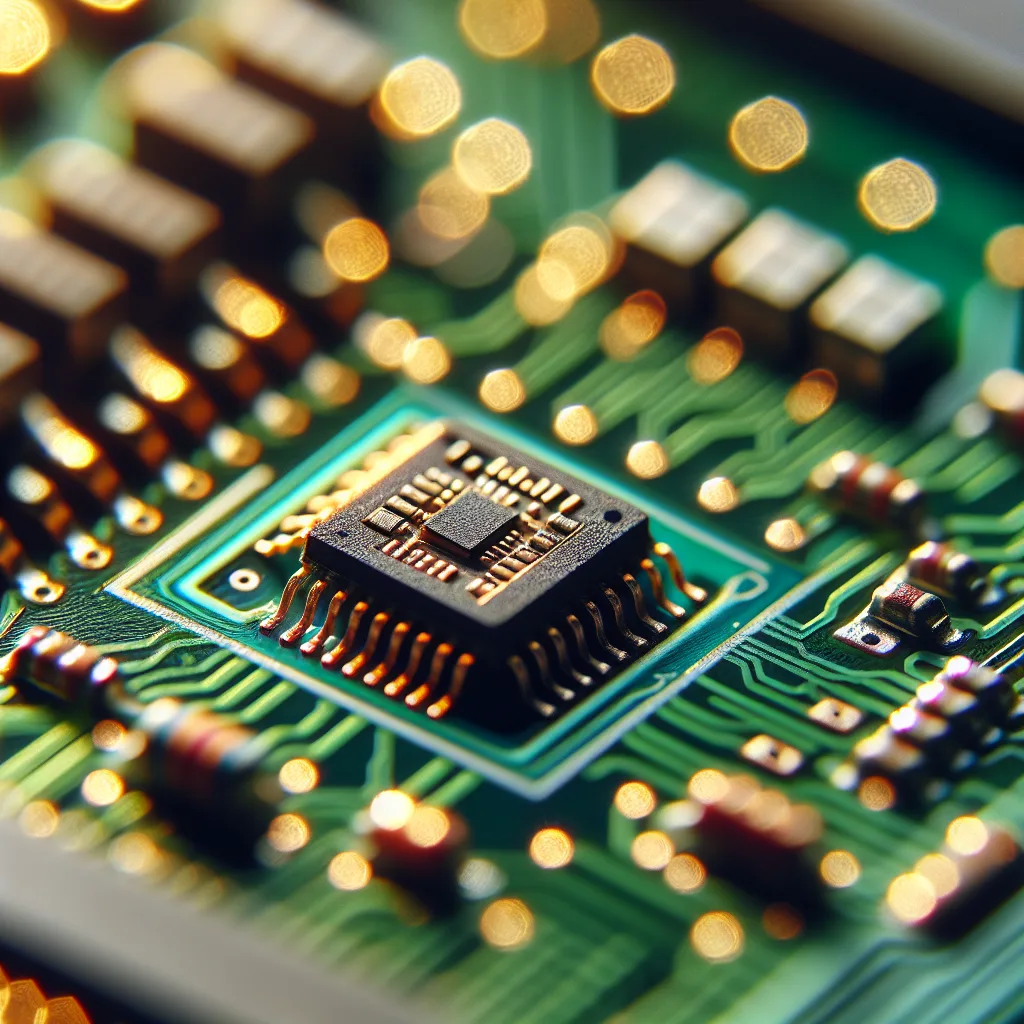
Global iot connectivity becomes much simpler with embedded SIM technology. It enables remote provisioning across international boundaries. Traditional approaches required pre-purchasing sims from local operators in each deployment region. This created inventory complexity and limited flexibility to respond to changing business requirements.
Remote sim provisioning removes these constraints. It allows a single iot device design to connect to any compatible network operator worldwide. This global connectivity capability reduces manufacturing complexity while improving time-to-market for international iot deployment projects.
Cost Optimization Strategies
Embedded SIM technology enables smart cost optimization strategies. It uses dynamic operator switching based on usage patterns, coverage quality, or pricing changes. IoT businesses can negotiate better rates with multiple operators while maintaining the ability to switch smoothly between them as market conditions change.
The technology also reduces operational costs. It eliminates truck rolls for sim card replacements and reduces the need for local technical support in remote deployment locations. These savings become substantial when managing connectivity across thousands of devices in global iot implementations.
Implementation Considerations
Successful embedded SIM implementation requires careful planning around device design, connectivity management platforms, and operator partnerships. Device manufacturers must integrate embedded SIM hardware early in the design process. This optimizes for size, power consumption, and environmental requirements specific to their iot applications.
Selecting the right connectivity provider becomes crucial for maximizing embedded SIM benefits. Not all operators support remote provisioning or offer the same level of global coverage and profile management capabilities.
Security and Compliance
Embedded SIM implementations must meet strict security requirements. These protect profile data and prevent unauthorized access. The technology includes hardware-based security features and encrypted profile downloads. This maintains the same security level as traditional sim cards while adding remote management capabilities.
Regulatory compliance varies by region. Some countries require specific certifications or restrict remote provisioning capabilities. IoT businesses must work with experienced connectivity partners to navigate these requirements. They must ensure their implementations meet local regulations.
Future of IoT Connectivity Management
The future of iot connectivity depends on scalable iot connectivity solutions that can adapt to changing requirements without physical intervention. Embedded SIM technology provides the foundation for autonomous connectivity management. Here, devices can automatically optimize their network connections based on performance metrics, cost considerations, or service requirements.
Integration with standardized IoT communication protocols and advanced cellular technologies will further enhance remote provisioning systems. These integrations enable more smart connectivity strategies that can respond to real-time network conditions and business requirements.
Emerging Applications
New applications for embedded SIM technology continue emerging. Businesses discover ways to leverage remote sim provisioning capabilities. Cellular iot applications in automotive, smart cities, and industrial automation benefit from the flexibility to change connectivity providers without physical device access.
The technology enables new business models where connectivity becomes a service. This can be dynamically adjusted based on device usage patterns or customer requirements. It creates opportunities for more flexible and cost-effective iot service offerings.
The esim iot revolution changes how manufacturers deploy connected devices across multiple markets. Unlike traditional physical cards that require manual handling, the embedded sim card integrates directly into device hardware during manufacturing. This eliminates sim card logistics challenges while enabling operators to provision devices with new sim profiles anywhere in the world.
Many iot devices now leverage global iot sims that work smoothly across different countries and carrier networks. The process of remotely managing sim credentials, commonly called remote sim provisioning for IoT, allows operators to change sim profiles without physical access to deployed equipment. A centralized sim provisioning platform coordinates these operations. It ensures iot fleets maintain connectivity regardless of geographic location.
Streamlining IoT SIM Management Operations
Modern sim management systems remove the need to physically change sim cards in remote installations. Operators can update a sim profile remotely through secure over-the-air communications. This dramatically reduces maintenance costs and deployment timelines. This capability proves especially valuable for consumer iot use cases where devices may be distributed across vast geographic areas.
The iot profile assistant serves as part of the embedded sim architecture. It helps secure profile downloads and activations. Instead of managing hundreds of different iot sim card variants, operators work with a single sim hardware platform. This adapts to multiple carrier requirements. This approach allows sim profiles over-the-air delivery to transform any compatible device into a locally-connected endpoint within minutes.
Enterprise deployments benefit significantly from centralized iot sim management capabilities. These span entire device fleets. Operations teams monitor connectivity status, data usage, and carrier performance from unified dashboards. They don't manage individual sim cards manually. This scalability makes embedded SIM technology necessary for large-scale industrial IoT implementations. Traditional sim card replacement would be cost-prohibitive.
How Embedded SIM Technology Works in Practice
The embedded SIM helps remote provisioning by storing multiple operator profiles on a single chip. This removes the need for physical SIM card swapping when devices need to switch networks or carriers. The technology uses standardized protocols to download and activate new connectivity profiles over-the-air.
Unlike traditional removable SIM cards, an integrated sim remains permanently installed within the device during manufacturing. This approach reduces mechanical failure points and enables deployment in harsh industrial environments where physical access is limited. The embedded nature also supports making devices smaller in space-constrained IoT applications.
Benefits for Global IoT Deployments
Remote SIM provisioning for iot is the process of wirelessly updating connectivity credentials without manual intervention. This capability proves vital for devices deployed across multiple countries or regions with different carrier requirements. Manufacturers can ship globally while activating local connectivity profiles after deployment.
The technology excels at enabling devices to use optimal network connections. This is based on location, coverage quality, or cost considerations. Devices automatically switch between carriers to maintain connectivity during network outages or when moving between service areas. This flexibility reduces operational overhead and improves service reliability for critical applications.
IoT experts recommend embedded SIM implementation for large-scale deployments. This is due to reduced logistics complexity and improved scalability. The technology eliminates inventory management challenges associated with carrier-specific SIM cards. Organizations can provision thousands of devices remotely through centralized management platforms. This significantly reduces deployment timeframes and costs.
Frequently Asked Questions
What is embedded SIM technology and how does it enable remote sim provisioning for IoT devices?
Embedded SIM technology is a secure chip that stores and manages multiple operator profiles on iot devices. It enables remote sim provisioning by allowing new connectivity profiles to be downloaded and activated over-the-air without physical access to the device. This eliminates the need for traditional sim card swaps in global iot deployments.
How does remote provisioning work with eSIM technology in IoT applications?
Remote provisioning works by downloading encrypted sim profiles to the embedded SIM through existing connectivity. The process involves authentication with subscription managers, secure profile delivery from network operators, and automatic activation on the iot device. This enables seamless switching between different mobile network providers without physical intervention.
Why is embedded SIM technology important for scalable IoT connectivity?
Embedded SIM technology is crucial for scalable iot because it eliminates the logistical challenges of managing physical sims across thousands of devices. It enables global connectivity through a single device design, reduces operational costs through remote profile management, and provides flexibility to optimize operator selection based on coverage, performance, or cost considerations.
What are the main differences between eSIM and traditional SIM cards for IoT devices?
The main differences include form factor (embedded vs removable), programmability (remote provisioning vs physical replacement), and operational flexibility. eSIM technology enables remote sim provisioning for iot devices, while traditional sim cards require physical access for operator changes. This makes eSIM ideal for large-scale iot deployment where device access is limited or impractical.
How does embedded SIM technology improve global IoT connectivity management?
Embedded SIM improves global iot connectivity by enabling a single device to connect to any compatible network operator worldwide through downloadable profiles. This eliminates the need for region-specific sim cards, reduces inventory complexity, and allows dynamic optimization of connectivity based on local coverage and pricing. The technology provides control over their iot connectivity without geographical limitations.
What security features protect remote provisioning in IoT applications?
Security features include hardware-based secure elements, encrypted profile downloads, mutual authentication between devices and subscription managers, and standardized security protocols. These features ensure that remotely managing sim profiles maintains the same security level as traditional sim technology while adding remote management capabilities for iot connectivity.
How does embedded SIM technology simplify IoT SIM card management compared to traditional methods?
Embedded SIM eliminates the need to physically change sim cards by enabling remote profile management through secure over-the-air updates. The iot sim card becomes programmable hardware that accepts new carrier profiles without device disassembly or technician visits. This process of remotely managing sim credentials reduces operational costs while improving deployment flexibility for iot fleets.
What advantages do global IoT SIMs provide for international device deployments?
Global iot sims operate across multiple carrier networks without requiring separate contracts or hardware variants for each region. A single sim hardware platform can switch between local carrier profiles based on geographic location or coverage requirements. This capability allows manufacturers to ship identical devices worldwide while ensuring optimal local connectivity through their sim provisioning platform.
Can consumer IoT devices benefit from embedded SIM technology?
Consumer iot use cases gain significant advantages from embedded sim technology, particularly for devices that ship globally or require long-term support. The iot profile assistant automatically manages carrier selection and profile updates without user intervention. Many iot devices in consumer markets now use this technology to ensure seamless connectivity regardless of where customers purchase or relocate their devices.
How does remote SIM provisioning work with existing IoT infrastructure?
Remote SIM provisioning integrates with existing cellular infrastructure through standardized protocols and secure communication channels. The embedded sim card receives sim profiles over-the-air from certified provisioning servers that authenticate both the device and the requested profile. This system works alongside traditional sim management tools while providing enhanced flexibility for updating part of the embedded sim functionality remotely.
What makes embedded SIM different from traditional SIM cards in IoT applications?
Embedded SIM technology facilitates remote provisioning without requiring physical SIM card replacement, making it ideal for iot remote management scenarios. The integrated sim approach eliminates mechanical components that can fail in harsh industrial environments. This enables deployment in locations where physical access for maintenance is impossible or cost-prohibitive.
How does remote SIM provisioning work for global IoT deployments?
Remote provisioning for iot is the process of downloading carrier profiles wirelessly to devices anywhere in the world. This capability allows manufacturers to ship identical hardware globally while enabling devices to use local carrier networks after deployment. The technology eliminates the need to pre-configure devices with region-specific SIM cards.
Why do IoT experts recommend embedded SIM for enterprise deployments?
IoT experts advocate for embedded SIM because it dramatically simplifies logistics and reduces operational complexity for large-scale deployments. The integrated sim design supports automated carrier switching based on coverage, cost, or performance requirements. This eliminates manual intervention and reduces the total cost of ownership for enterprise IoT networks.
Can embedded SIM technology improve connectivity reliability for mission-critical IoT devices?
Yes, embedded SIM enhances reliability by enabling devices to use backup carrier networks automatically when primary connections fail. The technology facilitates remote provisioning of multiple operator profiles, ensuring continuous connectivity even during network outages. This redundancy proves vital for applications like industrial monitoring, fleet management, and emergency response systems.
Embedded SIM technology represents a transformative advancement in IoT connectivity management. It provides the foundation for scalable, flexible, and cost-effective global deployments. Organizations planning iot deployment should prioritize security considerations alongside connectivity flexibility. This helps build robust, future-ready solutions that can adapt to changing requirements without physical intervention.
Related Articles
Industrial-Grade SIM Cards: Built for Extreme Environments
Industrial-grade SIM cards built for extreme environments give critical connections for iot devices placed in harsh conditions. Regular consumer SIM car...
Private APN for M2M: What It Is and Why You Need One
A private APN for M2M communication is a critical infrastructure choice. It can make or break your IoT deployment. Public internet connections might see...
Multi-Network Roaming for M2M: Steered vs Non-Steered SIMs
Multi-network roaming for m2m steered vs non-steered sims is a key decision for companies using iot solutions across different regions. The main differe...