
In this article
- Smart home devices like thermostats and security systems rely on m2m communication to operate without human intervention
- Fleet management systems use GPS tracking and telematics to optimize vehicle routes and monitor driver behavior
- Smart meters automatically transmit energy usage data to utility companies, eliminating manual readings
- Healthcare devices monitor patients remotely and alert medical professionals to critical changes
- Retail and logistics operations depend on asset tracking systems for inventory management and supply chain optimization
- Connected appliances communicate status updates and maintenance alerts directly to manufacturers
M2M communication examples are all around us. They work behind the scenes to make our daily lives more efficient and automated. Your smart thermostat adjusts the temperature automatically. Your connected car reports when it needs maintenance. These machines talk to each other without human help. This is what we call machine-to-machine technology. It powers everything from utility monitoring to healthcare devices.
The internet of things has changed how we use technology. But the biggest impact happens where we can't see it. When we understand these real-world examples, we can see how m2m communication creates value in many industries and personal uses.
- Smart Home Automation and IoT Devices
- Fleet Management and Vehicle Telematics
- Utility Monitoring and Smart Meters
- Healthcare and Remote Patient Monitoring
- Retail and Asset Tracking Systems
- Connected Appliances and Maintenance
Smart Home Automation and IoT Devices
Smart home systems are some of the clearest m2m communication examples in everyday life. These connected devices create a network inside your home. They let appliances, sensors, and smart systems talk directly to each other and outside services.
Smart thermostats collect temperature data from sensors around your home. They adjust your heating and cooling based on when people are home and what the weather is like outside. The thermostat talks to your HVAC system using wireless signals. At the same time, it sends energy use data to your utility company and usage reports to your phone.
Security systems show another great use of home m2m technologies. Motion sensors, door sensors, and cameras form a connected network. They can detect break-ins and call monitoring services automatically. When a sensor detects movement, it tells other devices to start recording, send alerts, and contact emergency services. No human help is needed.
Home automation hubs coordinate communication between different IoT devices. This works even when devices use different wireless protocols. This central coordination lets your lights dim automatically when your smart TV turns on. Or your coffee maker can start brewing when your alarm goes off.
Fleet Management and Vehicle Telematics
Commercial fleet operations use m2m communication to optimize routes and monitor drivers. They also use it to maintain vehicles. GPS tracking devices in delivery trucks, taxi cabs, and service vehicles constantly send location data, speed info, and engine diagnostics to management systems.
These telematics systems automate many tasks that used to need manual oversight. When a delivery truck has mechanical problems, the diagnostic system automatically sends an alert to fleet managers. This includes specific error codes and recommended maintenance actions. This real-time communication prevents breakdowns and reduces downtime.
Route optimization is another practical use where m2m device connectivity creates immediate value. Traffic sensors throughout cities communicate current congestion data to fleet management systems. These systems then automatically reroute vehicles to avoid delays. This automated coordination happens all day long. It adapts to changing conditions without needing dispatcher help.
Modern vehicles also communicate directly with insurance companies through usage-based insurance programs. Onboard sensors monitor how drivers accelerate, brake, and how many miles they drive. This data goes to insurers who adjust premiums based on actual driving habits rather than demographic assumptions.
Utility Monitoring and Smart Meters
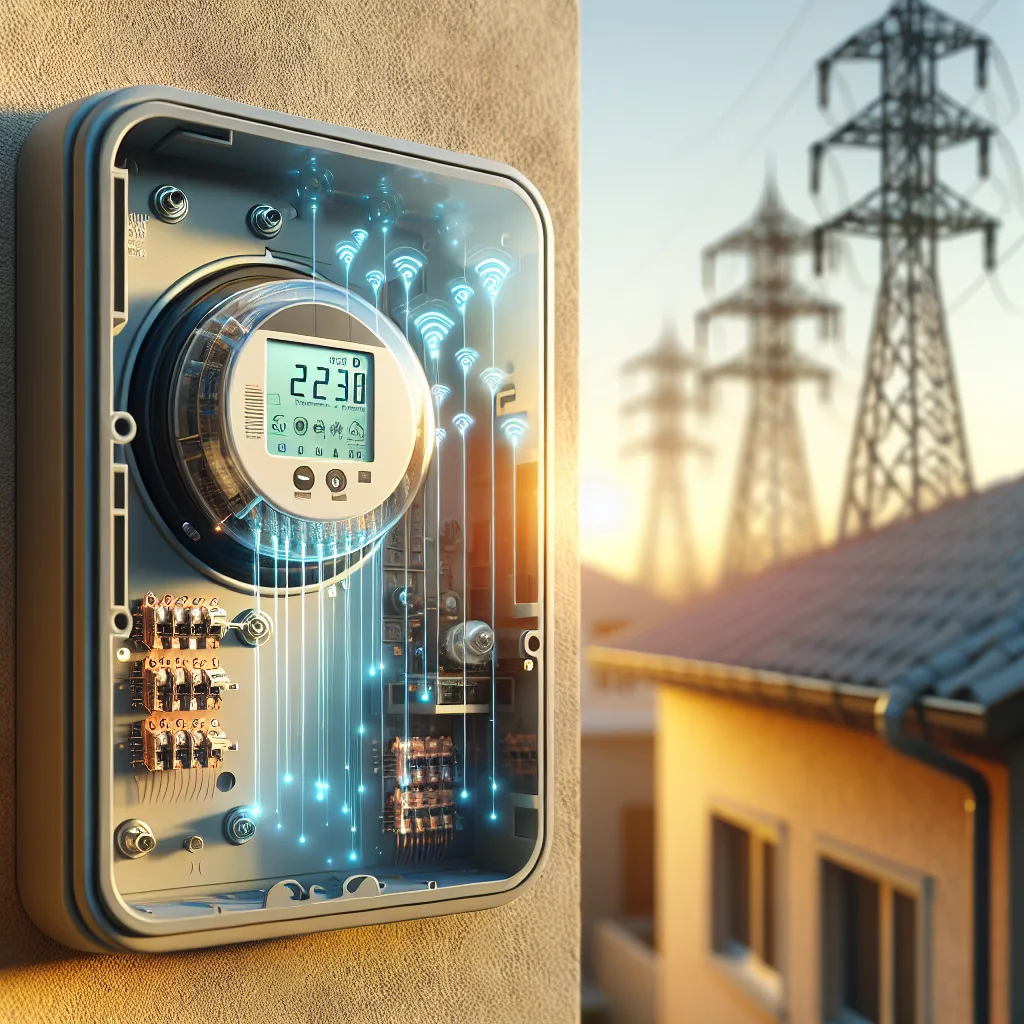
Smart meters have changed how utility companies monitor and manage energy distribution. These devices replace old analog meters with digital systems. They can send energy usage data automatically to utility providers. The meter readings happen at regular times throughout the day. This provides detailed consumption patterns that help both utilities and consumers understand energy usage better.
Water utilities use similar smart meter technology to detect leaks and monitor consumption patterns. When a water meter detects unusual flow rates that might mean a pipe burst or hidden leak, it automatically alerts both the utility company and the property owner. This early warning system prevents costly water damage and reduces waste.
Smart meters also enable participation in demand response programs. During peak energy demand periods, utility companies can send signals to participating smart meters. These meters then communicate with connected appliances to temporarily reduce energy consumption. Air conditioners might raise their temperature settings by a few degrees. Water heaters might delay their heating cycles until demand drops.
The sim card technology embedded in smart meters enables this two-way communication over cellular networks. This ensures reliable connectivity even in areas where traditional broadband internet might be unreliable.
Healthcare and Remote Patient Monitoring
Healthcare applications show some of the most critical m2m communication examples in everyday life. Here, reliable connectivity can directly impact patient outcomes. Continuous glucose monitors for diabetic patients are a great example. They use wireless communication to send blood sugar readings to smartphone apps and healthcare providers.
Heart rate monitors, blood pressure cuffs, and other medical devices create a comprehensive health monitoring network. This operates without human oversight. When these devices detect readings outside normal ranges, they automatically alert healthcare professionals and family members. This immediate notification capability enables faster medical responses and can prevent medical emergencies.
Medication adherence systems use sensor technology embedded in pill bottles. They track when patients take prescribed medications. These smart bottles communicate with healthcare providers when doses are missed. This enables proactive patient care and improves treatment outcomes. The RFID technology in these systems can identify specific medications and dosages. This provides detailed compliance data.
Emergency response systems for elderly patients show another vital healthcare use case. Wearable devices monitor movement patterns, heart rate, and fall detection. They automatically contact emergency services when they detect potential medical emergencies. These systems provide peace of mind for families while enabling independent living.
Retail and Asset Tracking Systems
Retail operations depend on sophisticated asset tracking systems. These monitor inventory movement throughout complex supply chains. RFID tags attached to products communicate with readers stationed throughout warehouses, distribution centers, and retail locations. This continuous tracking provides real-time visibility into product locations and availability.
Cold chain monitoring is a specialized application. Temperature sensors embedded in shipping containers continuously monitor product conditions during transport. When transporting pharmaceuticals or fresh food, these sensors automatically alert logistics coordinators if temperature thresholds are exceeded. This enables immediate corrective action to prevent product spoilage.
Retail loss prevention systems use m2m communication to coordinate between security cameras, electronic article surveillance systems, and point-of-sale terminals. When items are removed from shelves without being properly purchased, these systems can automatically trigger alerts and coordinate responses across multiple devices.
Inventory management systems automate reordering processes by monitoring stock levels through various sensor technologies. When inventory drops below predetermined thresholds, the system automatically generates purchase orders and coordinates with suppliers. This maintains optimal stock levels without requiring manual oversight.
Connected Appliances and Maintenance
Modern appliances incorporate m2m solutions that enable predictive maintenance and remote diagnostics. Washing machines, refrigerators, and dishwashers can communicate operational status and performance data to manufacturers' service centers. When these appliances detect potential issues, they automatically schedule maintenance appointments or order replacement parts.
Examples of m2m implementation in appliances include refrigerators that monitor food expiration dates and automatically add items to shopping lists. Or washing machines that order detergent refills when supplies run low. These systems show how companies use m2m communication to improve customer experience while creating new service revenue streams.
HVAC systems in commercial buildings show sophisticated m2m applications. Multiple sensors monitor air quality, temperature, and occupancy levels throughout large facilities. The system automatically adjusts ventilation rates, temperature settings, and air filtration based on real-time conditions. This optimizes both comfort and energy costs.
Industrial equipment monitoring extends these concepts to manufacturing environments. Production machinery communicates performance data to maintenance teams. This predictive approach prevents unexpected downtime and extends equipment lifespan through proactive maintenance scheduling.
Essential M2M Infrastructure in Modern Utilities
Smart utility systems show the wide potential of m2m technology through automated meter readings and grid management. Meters send consumption data directly to utility companies. This eliminates manual readings and reduces operational costs. These systems rely on point-to-point communication protocols to ensure accurate data exchange between field devices and central monitoring stations.
M2m extends beyond simple data collection. It includes real-time fault detection and load balancing across electrical grids. Modern smart meters use cellular m2m connections to maintain reliable internet connectivity even in remote locations. This infrastructure forms the backbone of important m2m applications that keep homes powered and water flowing.
Healthcare Technology Powered by M2M Networks
Medical equipment increasingly depends on m2m communication to monitor patient vitals. It transmits critical health data to healthcare providers. Pacemakers, insulin pumps, and remote patient monitoring devices are compelling iot examples of the technology working behind the scenes to save lives. These devices establish secure communication channels with hospital networks through wide area network connections.
The relationship between iot and m2m becomes evident in telemedicine applications. Devices automatically share patient data with medical professionals. M2M stands for machine-to-machine communication. This enables these life-saving devices to operate autonomously while keeping healthcare teams informed. These systems rely on m2m technology to function properly and provide continuous patient care.
Comprehensive iot solutions in healthcare integrate multiple devices into unified monitoring systems. These track everything from blood pressure to medication compliance. M2M enables these interconnected systems to communicate reliably and securely. Healthcare m2m promises more sophisticated monitoring capabilities and predictive health analytics.
Specialized m2m services support healthcare facilities by providing secure, HIPAA-compliant data transmission between medical devices and electronic health records systems. These m2m iot examples show how automated communication improves patient outcomes while reducing the workload on medical staff.
Retail and Inventory Management
Modern retailers deploy automatic stock management systems that eliminate manual counting and reduce human error. These systems use sensors and RFID technology to track inventory levels in real-time. They automatically trigger reorders when stock runs low. These M2M networks handle routine inventory tasks autonomously.
Retail M2M communication provides cost-effective implementation in commercial settings. Smart shelves communicate directly with warehouse systems. Point-of-sale terminals share transaction data with inventory databases. This seamless integration allows retailers to connect millions of devices across multiple store locations through a single network infrastructure.
Transportation and Fleet Management
Vehicle telematics systems continuously collect information about your car's performance, location, and maintenance needs. They don't need driver input. Modern cars send engine diagnostics, fuel consumption data, and GPS coordinates to central monitoring systems. Manufacturers use this data to identify common mechanical issues and schedule preventive maintenance automatically.
Fleet operators use this data to improve route efficiency and reduce operational costs through automated dispatch systems. The key components of these systems include GPS trackers, engine sensors, and cellular communication modules that work together seamlessly. This M2M communication relies on robust cellular networks to maintain constant connectivity between vehicles and fleet centers.
M2m communication enables autonomous operation compared to traditional communication methods in transportation applications. Examples include garage systems where smart garage doors communicate with mobile apps and home security systems. Vehicle challenges include maintaining reliable connections while moving at high speeds and managing data from thousands of sensors at the same time.
Advanced fleet management platforms are sophisticated technologies. They process millions of data points daily. These systems reduce human involvement in routine monitoring tasks while maintaining oversight capabilities for critical decisions. The integration of multiple communication protocols allows these platforms to handle diverse device types within unified management interfaces.
Frequently Asked Questions
What are the most common m2m communication examples in everyday life?
The most common examples include smart home devices like thermostats and security systems. Vehicle telematics for fleet management, smart meters for utility monitoring, and connected appliances that communicate maintenance needs are also common. These m2m technologies operate continuously in the background. They automate processes and improve efficiency across residential and commercial applications.
How do m2m devices connect and communicate with each other?
M2M devices use various connectivity options including wireless networks, cellular connections, and specialized m2m communication protocols. Many devices use sim card technology for cellular connectivity. Others use WiFi, Bluetooth, or proprietary wireless protocols to create local m2m networks that enable direct communication between connected devices.
What's the difference between m2m and IoT applications?
The differences between m2m and iot are often subtle. M2m communication typically focuses on direct device-to-device communication for specific applications. IoT encompasses broader ecosystems of connected devices that may include cloud services and human interfaces. Many modern systems combine both approaches to create comprehensive connectivity solutions.
How do smart meters demonstrate m2m communication in practice?
Smart meters automatically collect energy usage data and send it to utility companies without human intervention. These devices communicate both ways. They receive commands for demand response programs while sending detailed consumption data. This m2m system eliminates manual meter readings and enables dynamic energy pricing based on real-time usage patterns.
What role do sensors play in m2m communication systems?
Sensors serve as the data collection foundation for most m2m applications. They gather information about temperature, motion, pressure, location, and other environmental conditions. These sensor inputs trigger automated responses through the m2m network. This enables systems to react to changing conditions and maintain optimal performance without requiring human oversight.
How does asset tracking work in supply chains using m2m technology?
Asset tracking systems use GPS devices, RFID tags, and wireless sensors to monitor product location and condition throughout supply chains. These systems provide real-time visibility into inventory movement. They automatically update logistics databases and trigger alerts when shipments deviate from planned routes or experience environmental conditions outside acceptable ranges.
What does M2M stand for and how does it work in everyday applications?
M2M stands for machine-to-machine communication. This enables devices to exchange data automatically without human intervention. This technology uses various communication channels including cellular networks, Wi-Fi, and dedicated radio frequencies to connect devices. Common examples include smart thermostats communicating with HVAC systems and security cameras sending footage to monitoring centers.
How do IoT solutions differ from traditional M2M applications?
Both rely on automated data exchange. But IoT solutions typically involve internet connectivity and cloud-based processing. Traditional M2M often uses direct point-to-point communication. M2M increasingly overlaps with IoT as more devices gain internet access and utilize cloud-based m2m services. This convergence creates more sophisticated systems that can process and analyze data at scale.
What role does M2M technology play in smart city infrastructure?
M2M connects traffic lights, parking meters, and environmental sensors through wide area network connections in smart city operations. These systems show important M2M applications that optimize city services and improve quality of life for residents. Traffic management systems, waste collection optimization, and air quality monitoring all depend on reliable M2M communication to function effectively.
Why are utility meters reliant on M2M technology?
Meters require M2M technology because manual reading is inefficient and prone to errors. This makes automated data collection essential for modern utilities. These devices use cellular M2M connections to send usage data directly to utility companies for billing and grid management. M2M potential in utilities extends beyond simple readings to include leak detection, power outage reporting, and energy consumption optimization.
What are the main challenges of automated communication in everyday applications?
The primary challenges include ensuring reliable connectivity across diverse network environments and managing the massive data volumes generated by connected devices. Security vulnerabilities pose significant risks when systems connect millions of devices through a single network infrastructure. Additionally, maintaining compatibility between different M2M technologies requires careful planning and standardization.
How do manufacturers use this data from connected vehicles and appliances?
Manufacturers use this data to improve product design, predict maintenance needs, and develop new features based on real usage patterns. Information about your car's performance helps automakers identify common failure points and optimize future models. This data-driven approach reduces guesswork in product development and enables proactive customer service.
What are some examples of home automation that demonstrate M2M communication?
Examples of home automation include smart thermostats that communicate with weather services and occupancy sensors. Smart refrigerators coordinate with automatic stock management systems for grocery ordering. These systems show how M2M communication relies on seamless device interaction without constant human involvement. The key components typically include wireless sensors, central hubs, and cloud-based management platforms.
How does M2M communication differ from traditional IoT in practical applications?
The main difference in m2m vs IoT approaches lies in the level of autonomous decision-making and reduced human involvement required. M2M communication focuses on direct device-to-device interaction. IoT encompasses broader ecosystem connectivity. Both technologies share the goal to connect millions of devices efficiently. But M2M emphasizes automated responses over data collection and analysis.
Conclusion
Start implementing M2M solutions by identifying repetitive manual processes in your home or business that could benefit from automated communication. Smart thermostats, security systems, and connected appliances offer immediate benefits with proven return on investment. For businesses, begin with asset tracking or fleet management systems where real-time data can directly reduce operational costs and improve efficiency. These practical steps show how M2M communication transforms daily operations from reactive maintenance to proactive automation.
Related Articles
M2M Terminology Glossary: Every Term You Need to Know
M2M connectivity lets devices or machines interact without human input. Smart meters collect energy use data and send it directly to utility companies. ...
The M2M Market: Size, Growth, and Future Projections
Recent market reports show the M2M sector has reached high levels of maturity and adoption across industries. Recent studies provide comprehensive size ...
What Is an M2M Connection? Types and How They Work
M2M technology enables devices to communicate and share information across networks. These include cellular, Wi-Fi, and satellite connections. They don'...