In this article
Key Takeaways
- M2M technology enables automated data transmission between medical devices and healthcare systems without human intervention
- Remote patient monitoring through M2M solutions reduces hospital readmissions and improves patient outcomes for chronic disease management
- M2M SIM cards provide secure, reliable connectivity for medical devices across multiple mobile networks
- Wearable devices and sensors equipped with M2M technology can monitor vital signs continuously and transmit real-time data to healthcare providers
- Proper encryption and security protocols are essential when M2M systems handle sensitive patient data
- M2M applications in healthcare range from glucose monitoring to cardiac care and emergency response systems
M2M in healthcare remote patient monitoring enables medical devices to collect, send, and analyze patient data automatically. This means no constant human help is needed. Healthcare providers can now watch patients all the time, no matter where they are. This creates chances to improve patient care and cut healthcare costs.
The mix of M2M technology with healthcare systems has changed how providers watch patients. This is especially true for people with chronic diseases who need ongoing care. Through smart connectivity solutions and IoT devices, medical professionals can access real-time patient information. This enables faster help and more personal treatment plans.
Remote monitoring powered by M2M solutions has become essential for modern healthcare delivery. These systems use mobile networks, secure data transmission, and smart medical equipment. They create smooth communication channels between patients and their healthcare teams.
Table of Contents
- Understanding M2M Technology in Healthcare
- Remote Patient Monitoring Systems and Applications
- Connectivity Solutions for Medical Devices
- M2M SIM Cards in Healthcare Applications
- IoT Devices and Medical Monitoring
- Security and Data Transmission
- Benefits for Healthcare Providers and Patients
- Frequently Asked Questions
Understanding M2M Technology in Healthcare
M2M technology forms the backbone of modern digital health programs. It enables smooth communication between medical devices and healthcare information systems. This machine-to-machine connectivity allows sensors in medical equipment to collect patient data automatically. Then it sends this data securely to healthcare professionals for review and action.
M2M healthcare applications remove human middlemen from routine data collection and sending. Medical devices with M2M modules can work on their own. They continuously gather vital signs, medication use data, and other critical health metrics. This automated approach reduces the risk of human error. It also ensures consistent, reliable data flow.
Healthcare organizations use M2M technology to create complete monitoring networks. These networks span hospitals, clinics, and patient homes. These networks enable real-time visibility into patient conditions. This allows healthcare providers to spot potential issues before they become critical emergencies. The technology supports various communication methods. It can adapt to different mobile network setups.
Core Components of M2M Healthcare Systems
Every M2M healthcare system needs several key components working together. Medical devices serve as data collection points. They gather information through built-in sensors and measurement tools. M2M connectivity modules help these devices establish communication links with healthcare networks. Data processing systems analyze incoming information. They generate actionable insights for medical professionals.
The integration process requires careful thought about compatibility standards. This ensures that different medical equipment brands can communicate well within the same M2M network. Healthcare providers must also put in place strong security measures. These protect sensitive patient information during transmission and storage.
Remote Patient Monitoring Systems and Applications
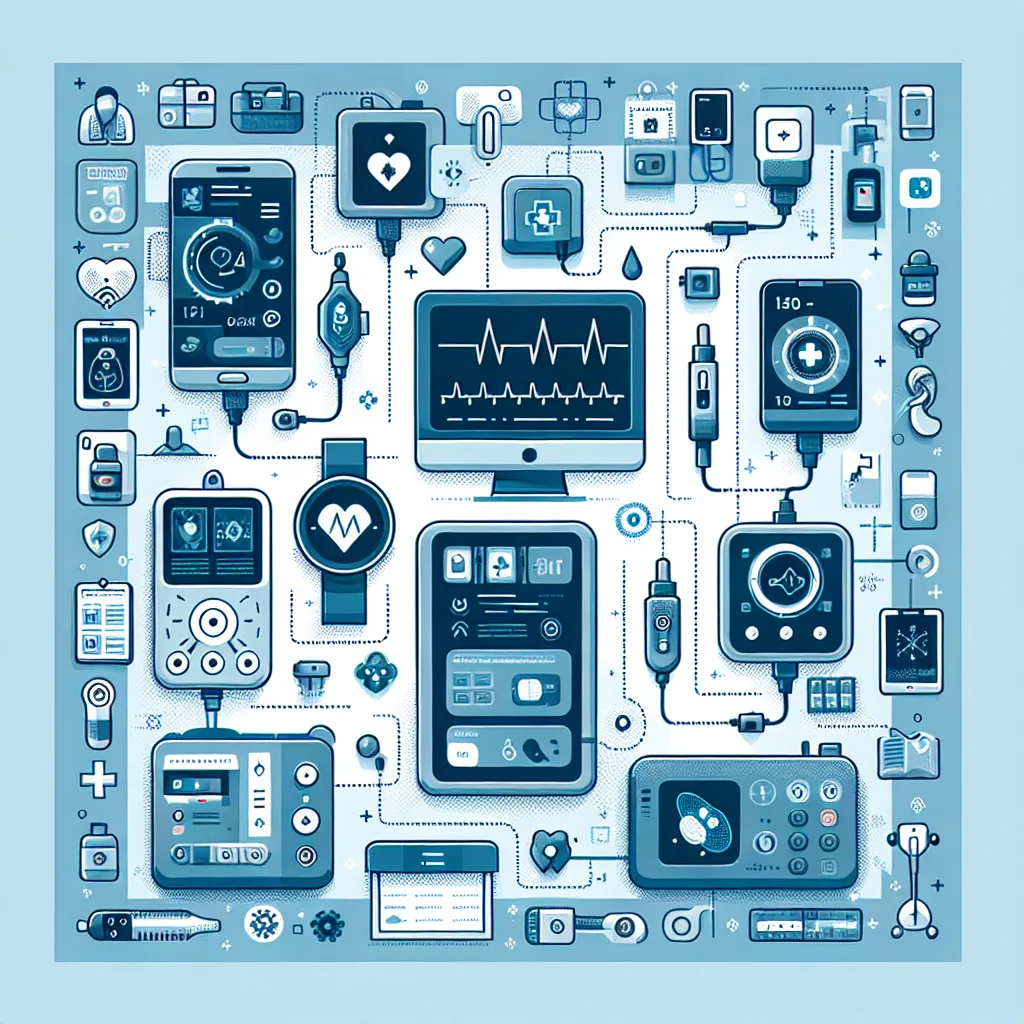
Remote patient monitoring represents the most visible M2M application in healthcare today. These systems enable continuous watching of patients outside traditional clinical settings. They provide healthcare providers with unprecedented access to patient health data. Monitoring devices with M2M technology can track everything from blood pressure and heart rate to glucose levels and medication compliance.
Chronic disease management benefits greatly from remote monitoring capabilities. Patients with diabetes, high blood pressure, heart disease, and other long-term conditions need regular monitoring. This prevents complications and optimizes treatment effectiveness. M2M-enabled devices allow these patients to maintain normal daily routines. At the same time, they ensure their healthcare teams receive continuous updates on their condition.
The scope of remote medical monitoring extends beyond individual patient care. It includes population health management. Healthcare systems can analyze combined data from multiple M2M monitoring devices. This helps identify trends, predict outbreaks, and allocate resources more effectively. This capability becomes particularly valuable in underserved areas where traditional healthcare access is limited.
Wearable Device Integration
Wearable devices have become a cornerstone of M2M healthcare monitoring. They offer patients convenient and non-intrusive ways to track their health metrics. These devices combine advanced sensor technology with M2M connectivity. This provides continuous monitoring without disrupting normal activities. A wearable device can monitor heart rhythm, sleep patterns, physical activity, and stress levels throughout the day.
The data collected by wearable monitoring devices flows automatically to healthcare provider systems through secure M2M connections. This continuous stream of information enables proactive healthcare management. It allows medical professionals to adjust treatments based on real-time patient responses. This is better than relying solely on periodic clinic visits.
Connectivity Solutions for Medical Devices
Reliable connectivity forms the foundation of successful M2M healthcare implementations. Medical equipment must maintain consistent communication links with healthcare networks. This ensures uninterrupted data flow and real-time monitoring capabilities. Mobile network operators provide the infrastructure necessary to support these critical connections across diverse geographical areas.
M2M connectivity solutions for healthcare applications must address unique requirements. These include power efficiency, signal reliability, and security. Medical devices often operate in challenging environments where traditional network coverage may be limited. Advanced M2M modules can automatically switch between different mobile networks. This maintains optimal connectivity performance.
The choice of connectivity technology depends on specific healthcare application requirements. High-bandwidth applications requiring real-time video transmission demand different solutions than simple sensor data collection systems. Healthcare providers must evaluate several factors when selecting M2M connectivity options. These include data volume, latency requirements, device battery life, and coverage area.
Network Infrastructure Considerations
Healthcare M2M applications require robust network infrastructure. It must be capable of handling sensitive medical data transmissions. Network operators must provide guaranteed service levels, backup connectivity paths, and comprehensive coverage. This supports critical healthcare communications. The infrastructure must also support encryption protocols and comply with healthcare data protection regulations.
Connected devices in healthcare environments may operate across multiple network types. These include cellular, Wi-Fi, and satellite connections. M2M technology enables automatic network selection and failover capabilities. This ensures continuous connectivity even when primary network paths become unavailable.
M2M SIM Cards in Healthcare Applications
M2M SIM cards provide the secure identity and network access credentials necessary for medical devices to connect to mobile networks. Unlike traditional consumer SIM cards, M2M SIM cards are specifically designed for device-to-device communication. They offer enhanced security features, extended temperature ranges, and longer operational lifespans. These are suitable for medical equipment deployment.
Healthcare applications benefit from specialized M2M SIM card features. These include global roaming capabilities, multiple network operator support, and remote SIM management. These capabilities ensure that medical devices can maintain connectivity regardless of location. This makes them ideal for portable medical equipment and patient monitoring devices used outside clinical settings.
The management of M2M SIM cards in healthcare deployments requires centralized control systems. These can monitor connection status, data usage, and security credentials across thousands of deployed devices. Healthcare organizations can use these management platforms to troubleshoot connectivity issues, update security certificates, and optimize network usage patterns.
SIM Card Security Features
M2M SIM cards have advanced security mechanisms specifically designed to protect healthcare communications. These security features include hardware-based encryption, tamper detection, and secure key storage capabilities. Medical equipment equipped with M2M SIM cards can establish authenticated, encrypted communication channels. These meet healthcare industry security standards.
The security architecture of M2M SIMs supports multiple layers of protection. This goes from initial device authentication through ongoing data transmission encryption. This comprehensive approach ensures that patient data remains securely protected throughout the entire communication path.
IoT Devices and Medical Monitoring
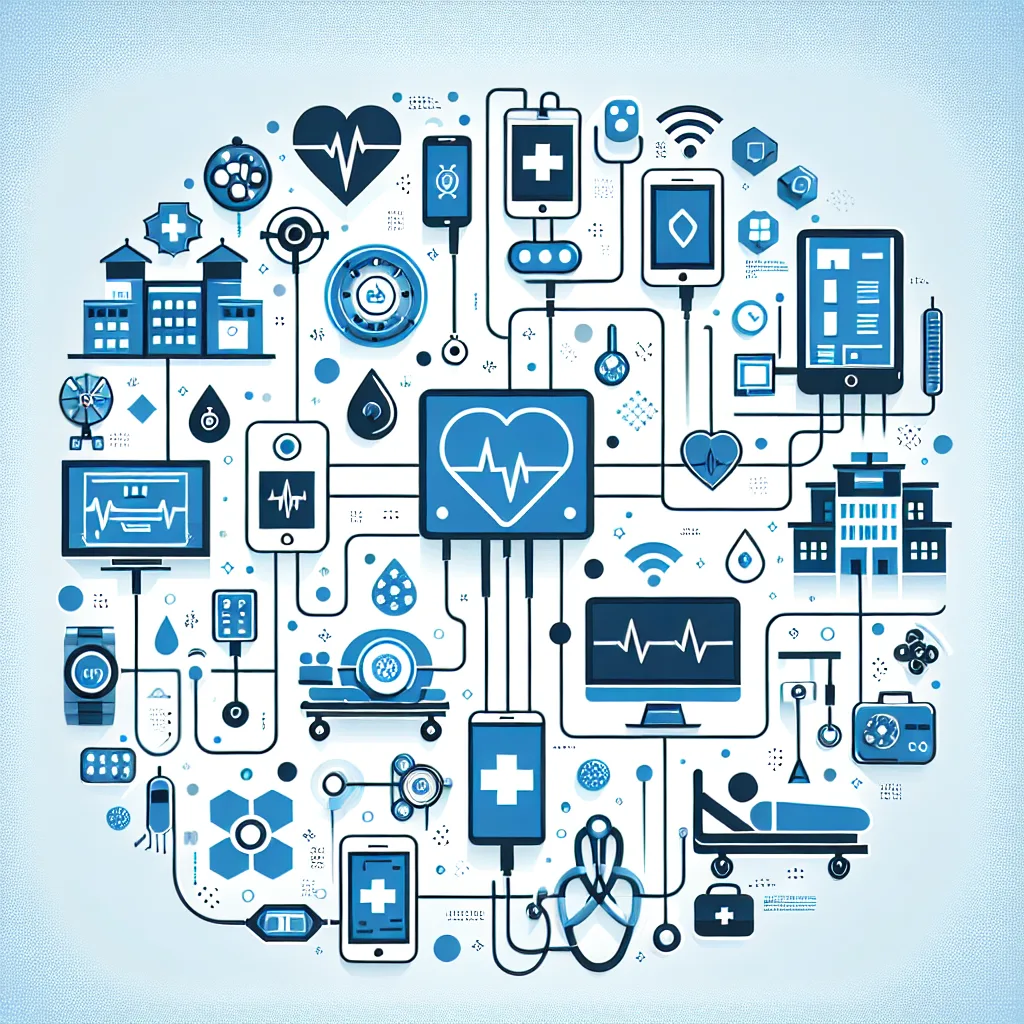
IoT devices integrated with M2M technology have expanded the possibilities for medical monitoring. They go beyond traditional clinical measurements. These connected devices can monitor environmental conditions, medication storage temperatures, equipment performance metrics, and patient behavioral patterns. The combination of IoT and M2M creates comprehensive monitoring ecosystems. These provide holistic views of patient health and care delivery.
Smart medical equipment using IoT connectivity can automatically report maintenance needs, calibration requirements, and performance issues to healthcare facility management systems. This proactive monitoring approach reduces equipment downtime. It ensures that critical medical devices remain available when needed for patient care.
IoT devices equipped with multiple sensor types can collect complex health data sets. These provide deeper insights into patient conditions. For example, a single device might monitor blood pressure, measure blood oxygen levels, track medication adherence, and assess patient mobility patterns. The M2M connectivity enables all this information to flow smoothly to healthcare provider systems for comprehensive analysis.
Sensor Technology Integration
Advanced sensor technology embedded in IoT medical devices enables precise measurement of various physiological parameters. These sensors can detect minute changes in vital signs, chemical compositions, and physical movements. When combined with M2M communication capabilities, sensor data becomes immediately available to healthcare professionals for real-time decision making.
Multi-sensor platforms can connect different types of health data. This helps identify patterns and trends that might not be apparent from individual measurements. This integrated approach to data collection and analysis supports more accurate diagnoses and more effective treatment strategies.
Security and Data Transmission
Security represents a critical concern for M2M healthcare applications. This is due to the sensitive nature of patient data and the potential impact of system compromises on patient safety. Healthcare M2M systems must implement comprehensive security frameworks. These protect data confidentiality, integrity, and availability throughout the entire communication and storage lifecycle.
Encryption protocols ensure that patient data transmitted through M2M networks remains protected from unauthorized access. Healthcare applications typically employ end-to-end encryption. This means data is encrypted at the source device and remains encrypted until it reaches authorized healthcare systems. This approach prevents data interception and maintains patient privacy even if communication channels are compromised.
The ability to transmit data securely across multiple network types and geographical boundaries requires sophisticated security management systems. These systems must handle key distribution, certificate management, and security policy enforcement across thousands of connected medical devices. They must maintain the performance levels necessary for real-time healthcare applications.
Regulatory Compliance
Healthcare M2M systems must comply with strict regulatory requirements governing the handling of medical information. These regulations specify minimum security standards, data retention requirements, and patient consent procedures. M2M technology providers must design their solutions to support healthcare organizations in meeting these compliance obligations.
Regular security audits and vulnerability assessments ensure that M2M healthcare systems maintain appropriate protection levels as new threats emerge. The dynamic nature of cybersecurity requires ongoing attention to security updates, patch management, and threat monitoring across all connected devices.
Benefits for Healthcare Providers and Patients
Healthcare providers implementing M2M solutions experience significant improvements in operational efficiency and patient outcomes. Remote monitoring capabilities reduce the need for frequent in-person visits. This allows medical staff to focus on patients requiring immediate attention. The continuous flow of patient data enables early detection of health issues. This often prevents expensive emergency interventions.
Patients benefit from increased independence and improved quality of life through M2M-enabled remote care options. Individuals with chronic disease conditions can manage their health more effectively while maintaining normal daily activities. The technology provides peace of mind for both patients and their caregivers through continuous monitoring and rapid response capabilities.
Cost reduction represents another major advantage of M2M healthcare implementations. Healthcare providers can reduce facility overhead, optimize staff allocation, and prevent costly complications through proactive monitoring and intervention. Insurance providers also benefit from reduced claims costs and improved patient outcomes associated with continuous care management.
Improving Patient Outcomes
M2M technology enables personalized healthcare delivery. It provides healthcare professionals with detailed insights into individual patient patterns and responses to treatment. This granular level of information supports more precise treatment adjustments and better outcomes for patients across all age groups and medical conditions.
The ability to monitor patients continuously provides healthcare providers with a complete picture of patient health status. This is better than brief clinical visits. This comprehensive view enables more accurate diagnoses, more effective treatment plans, and better long-term health management strategies.
M2M Technology Transforming Patient Care
The healthcare sector has witnessed unprecedented growth in machine to machine communication systems. These enable remote monitoring capabilities. M2M devices automatically transmit patient vitals, medication adherence data, and emergency alerts directly to healthcare providers without human intervention. This technology foundation supports both telehealth consultations and continuous patient surveillance across diverse geographical locations.
Remote monitoring devices have transformed patient healthcare delivery. They connect wearable sensors, implantable devices, and home-based medical equipment to centralized monitoring systems. The monitoring industry now encompasses everything from cardiac pacemakers that report irregular rhythms to glucose meters that track diabetic patients' blood sugar levels. These systems prove especially valuable when making remote healthcare accessible to underserved populations in rural areas and remote villages.
Real-World Applications and Use Cases
Practical cases of remote patient monitoring demonstrate how devices and M2M connectivity deliver measurable healthcare outcomes. Chronic disease management programs use connected healthcare platforms to track patients with heart failure, diabetes, and high blood pressure. They do this through continuous data collection from home monitoring equipment. A remote device can detect early warning signs of patient deterioration. It can automatically alert medical staff before conditions become critical.
The integration of mhealth applications with M2M technology creates comprehensive monitoring applications. These span from simple fitness tracking to complex telemedical interventions. Connected healthcare systems enable remote patient management by combining smartphone apps, wearable sensors, and clinical-grade medical devices into unified care platforms. This approach transforms healthcare delivery by shifting from reactive treatment models to proactive prevention and early intervention strategies.
Advanced monitoring systems demonstrate how technology improves patient outcomes while reducing costs. These platforms enable remote monitoring of multiple patients at the same time. This allows healthcare providers to manage larger patient populations more efficiently. The smooth integration of various connected devices creates a comprehensive view of patient health status and treatment effectiveness.
Connectivity Solutions for Medical Devices
IoT SIM cards provide the backbone for remote patient monitoring systems. They ensure reliable data transmission between medical devices and healthcare providers. These specialized connectivity solutions allow devices to communicate smoothly across cellular networks. This eliminates the need for patients to maintain complex home networking equipment. SIM cards enable medical devices to transmit critical health data automatically. This reduces the burden on patients while maintaining continuous monitoring capabilities.
Healthcare facilities increasingly rely on using cellular connectivity to extend their monitoring reach beyond traditional clinical settings. This approach makes remote patient monitoring more accessible and efficient. It removes geographical barriers and technical complexity from the patient experience. Cellular-enabled devices automatically sync with electronic health records. This streamlines data management and reduces manual data entry errors that can compromise patient care quality.
Enhancing Patient Engagement and Care Quality
Remote monitoring systems significantly improve patient compliance by simplifying the monitoring process. They provide immediate feedback to patients about their health status. Healthcare providers can track medication adherence, vital signs, and lifestyle factors through automated data collection. This enables timely interventions when health parameters deviate from normal ranges. This proactive approach transforms traditional reactive healthcare models into preventive care strategies. These address health issues before they become critical.
Advanced M2M healthcare systems integrate RFID technology to track medical equipment. They ensure proper device usage in both clinical and home environments. These systems facilitate smooth communication between patients and caregivers through automated alerts and real-time data sharing. This eliminates delays in care coordination. Healthcare organizations implementing comprehensive remote monitoring programs save time and money while improving patient outcomes, particularly for chronic conditions requiring continuous oversight.
Heart failure patients benefit significantly from M2M-enabled remote monitoring systems. These track fluid retention, weight changes, and cardiac rhythm abnormalities in real-time. These systems protect patient privacy through encrypted data transmission while providing healthcare teams with actionable insights for treatment adjustments. The continuous monitoring capability allows healthcare providers to detect early warning signs. They can adjust treatment protocols before patients require emergency interventions or hospital readmissions.
Frequently Asked Questions
How does M2M technology improve remote patient monitoring accuracy?
M2M technology eliminates human error in data collection and transmission by automating the entire process. Medical devices equipped with M2M connectivity can monitor patients continuously and transmit real-time data directly to healthcare systems. This automation ensures consistent data collection intervals and reduces the risk of missed measurements or transcription errors.
What types of medical equipment can benefit from M2M connectivity?
Almost any medical device that generates data can benefit from M2M connectivity. Common examples include glucose monitors for diabetes management, cardiac monitors for heart patients, blood pressure cuffs, pulse oximeters, and wearable devices that track vital signs. Even medical equipment like ventilators and infusion pumps can use M2M technology to transmit operational status and patient data.
How secure is patient data transmitted through M2M healthcare systems?
M2M healthcare systems use advanced encryption protocols to securely transmit patient data across mobile networks. The data is encrypted at the source device and remains encrypted until it reaches authorized healthcare systems. M2M SIM cards provide additional security through hardware-based authentication and tamper detection capabilities.
Can M2M monitoring devices work in areas with poor cellular coverage?
Modern M2M solutions include automatic network switching capabilities that allow devices to connect to the strongest available mobile network. M2M SIM cards can access multiple network operators. This increases the likelihood of maintaining connectivity even in areas with limited coverage from individual carriers.
What is the difference between M2M and IoT in healthcare applications?
M2M focuses specifically on direct communication between devices, while IoT encompasses a broader ecosystem of connected devices and data analytics. In healthcare, M2M provides the underlying connectivity that enables IoT devices to share information. Both technologies work together to create comprehensive remote monitoring solutions for patient care.
How do healthcare providers manage large deployments of M2M monitoring devices?
Healthcare organizations use centralized device management platforms to monitor M2M connectivity. They track data usage and manage security credentials across thousands of deployed devices. These platforms provide real-time visibility into device status and can automatically detect and resolve common connectivity issues.
How do M2M devices improve remote patient monitoring effectiveness?
M2M devices automatically collect and transmit patient data without requiring manual intervention. This ensures continuous monitoring even when patients forget to manually record measurements. These systems enable remote healthcare delivery by connecting various medical sensors and devices to centralized monitoring platforms. The technology proves particularly valuable for managing chronic conditions and providing care access to remote villages where traditional healthcare infrastructure may be limited.
What are the primary use cases for connected healthcare monitoring?
Connected healthcare applications span from home monitoring systems for post-surgical recovery to comprehensive telemedical programs for managing chronic diseases like diabetes and heart conditions. Remote monitoring devices track vital signs, medication adherence, and symptom changes. They automatically alert healthcare providers to concerning trends. The monitoring industry has developed specialized solutions for cardiac care, respiratory therapy, and mental health support through integrated M2M communication systems.
How does M2M technology enable remote patient care in underserved areas?
Machine to machine communication systems make remote healthcare accessible by transmitting patient data over cellular networks, satellite connections, or internet infrastructure. This reaches patients in geographically isolated locations. A remote device can operate independently of local healthcare facilities while maintaining constant communication with medical centers in urban areas. This technology enables remote monitoring applications that bring specialist care and continuous health surveillance to populations who previously had limited access to advanced medical services.
What role does telehealth play in M2M-enabled patient monitoring?
Telehealth platforms integrate directly with M2M monitoring applications to provide comprehensive remote patient care. This combines real-time data collection with virtual consultations. Healthcare providers can review continuous monitoring data before telehealth appointments. This enables more informed clinical decisions and personalized treatment adjustments. This integrated approach to patient healthcare creates smooth care continuity between in-person visits and remote monitoring periods.
How do IoT SIM cards improve remote patient monitoring reliability?
IoT SIM cards provide dedicated cellular connectivity specifically designed for medical devices. This ensures consistent data transmission even when home WiFi networks fail. These SIM cards enable devices to communicate directly with healthcare systems using cellular connectivity. This eliminates patient-side technical issues that could interrupt critical monitoring. The dedicated cellular connection ensures that vital health data reaches caregivers regardless of the patient's location or local network conditions.
What role does RFID technology play in remote patient monitoring?
RFID technology enhances remote patient monitoring by automatically tracking device usage and ensuring patient compliance with monitoring protocols. These systems can detect when patients interact with their medical devices. They verify that monitoring equipment is being used correctly and consistently. RFID integration helps protect patient safety by alerting caregivers when devices aren't being used as prescribed or when equipment malfunctions occur.
How do M2M systems integrate with existing electronic health records?
M2M healthcare systems smoothly sync patient monitoring data with electronic health records through secure API connections and automated data integration protocols. This integration enables timely interventions by providing healthcare teams with real-time patient data alongside historical medical records in a unified interface. The automated data flow eliminates manual data entry while ensuring that remote monitoring information becomes part of the patient's comprehensive medical record.
What makes remote monitoring particularly beneficial for heart failure patients?
Heart failure patients require continuous monitoring of weight, fluid retention, and cardiac function. M2M systems provide this through automated daily measurements and instant data transmission. Remote monitoring makes healthcare more accessible and efficient for these patients by reducing the need for frequent clinic visits while maintaining close medical supervision. The early detection capabilities help save time and money by preventing emergency hospitalizations and enabling proactive treatment adjustments based on real-time health data.
Conclusion
M2M healthcare solutions create measurable improvements in patient outcomes while reducing operational costs for healthcare organizations. Start evaluating M2M connectivity options for your patient monitoring needs by identifying which chronic conditions could benefit most from continuous remote surveillance. Contact healthcare technology providers today to develop a pilot program that demonstrates how automated data transmission can transform your patient care delivery model.
Related Articles
Data Privacy in Healthcare M2M: HIPAA Compliance Guide
Healthcare M2M systems change patient care through device connectivity. But they create complex challenges for data privacy. The Health Insurance Portab...
M2M for Drug Supply Chain Tracking and Cold Chain Monitoring
M2M for drug supply chain tracking and cold chain monitoring changes how pharmaceutical companies keep products safe during transport and storage. Tempe...
IoT Medical Device Connectivity: Challenges and Solutions
Healthcare transformation through IoT medical device connectivity challenges and solutions represents a critical evolution in modern medical practice. H...