
In this article
- M2M communication enables devices to exchange data and communicate directly without human intervention, forming the backbone of industrial automation
- Unlike IoT, M2M typically involves point-to-point communication between specific devices rather than cloud-based ecosystems
- Key components include sensors, communication protocols, networks, and actuators that work together to automate processes
- Common applications span smart cities, healthcare monitoring, supply chain management, and industrial automation systems
- Security considerations like authentication and secure communication channels are critical for protecting M2M networks
- Real-time data exchange through M2M technology delivers significant cost savings and operational efficiency improvements
Machine-to-machine (M2M) communication changes how devices talk to each other in our connected world. This technology helps automated systems work better across industries. It works in places like manufacturing floors and smart city systems. M2M communication lets devices share data easily. This creates networks that respond to changes in real-time without people.
Businesses use automated systems more often to stay competitive. This guide covers the basic ideas, uses, and ways to set up modern M2M communication systems.
The technology works in many areas. It helps with remote monitoring systems and complex factory automation networks. As M2M and IoT technologies work together more, companies need to understand these ideas. This helps them use their full power.
- Fundamentals of M2M Communication
- Core M2M Technology Components
- M2M vs IoT: Understanding the Differences
- Communication Protocols and Networks
- Real-World M2M Applications
- Implementation and Best Practices
- Security Considerations
- Future of M2M Technology
Fundamentals of M2M Communication
M2M communication means devices talk directly to each other. This allows automated data collection and decision-making. The technology lets machines share information without people watching. This creates efficient systems that work on their own across many industries.
The basic idea involves devices that can sense things around them. They process data and trigger the right responses through set rules. An M2M device usually has sensors to gather data. It also has processing power to analyze information. Plus, it has ways to send data to other devices.
Machine to machine systems work through structured communication channels. These ensure reliable data transmission. The systems use various wireless and wired technologies. This connects devices across different locations. It enables scalable solutions for business applications.
Key Characteristics of M2M Systems
Direct communication between machines removes delays that happen with human involvement. Real-time data processing enables quick responses to changing conditions. Automated decision-making reduces work overhead.
An M2M system keeps constant connection between devices. This ensures continuous monitoring and control abilities. This connectivity supports both local area networks and wide-area setups. It depends on what the application needs.
Core M2M Technology Components
Modern M2M technology combines multiple parts that work together. They automate communication processes. Understanding these key components helps organizations design effective M2M solutions.
Sensor technology forms the foundation of most M2M applications. It collects environmental data like temperature, pressure, motion, or location information. These sensors convert physical events into digital signals. M2M systems can then process and send these signals.
Communication interfaces let devices connect through various network technologies. Cellular networks provide wide-area connectivity for mobile applications. Wireless local networks support concentrated setups. Processing units analyze incoming data. They execute programmed responses based on set conditions.
Network Infrastructure Requirements
An M2M network needs strong infrastructure. This supports reliable communication between spread-out devices. Network design must consider coverage area, bandwidth needs, power use, and data security protocols.
Cellular M2M connections offer extensive coverage. But they may cost more than local wireless solutions. Organizations must balance connectivity needs against budget limits. This helps when selecting the right network technologies.
M2M vs IoT: Understanding the Differences
M2M and IoT technologies are similar but have important differences. These affect how you set them up. M2M vs IoT distinctions help organizations choose the right technologies for specific applications.
M2M communication typically involves point-to-point communication between specific devices. This creates dedicated communication paths for particular functions. IoT systems generally connect multiple devices through cloud-based platforms. This enables broader data sharing and analytics abilities.
The internet of things focuses on connectivity and data sharing across diverse device systems. M2M applications focus on specific automation tasks. They often involve fewer devices with specialized functions. These differences influence system design, security needs, and growth possibilities.
Integration Approaches
Many modern setups combine M2M and IoT approaches. This leverages benefits from both technologies. M2M and IoT devices can work together within integrated systems. M2M handles real-time control functions while IoT provides broader connectivity and analytics.
This mixed approach lets organizations optimize different aspects of their operations. They use specialized technologies while maintaining overall system unity.
Communication Protocols and Networks
M2M communication protocols define how devices exchange data within networks. Different communication protocols offer various advantages. It depends on what the application needs.
Common protocol options include MQTT for lightweight messaging. CoAP works for limited environments. HTTP works for web-based applications. Each protocol addresses specific communication needs. This includes bandwidth efficiency, security requirements, or device limits.
Communication networks support various transmission methods. These include cellular, WiFi, Bluetooth, and custom wireless technologies. Network selection depends on factors like range needs, power use, and data speed requirements.
Protocol Selection Criteria
Organizations should evaluate communication methods based on specific operational needs. Real-time applications may need low-delay protocols. Battery-powered devices benefit from energy-efficient communication options.
Security considerations also influence protocol selection. Some applications need encrypted data transmission and strong authentication methods. This protects sensitive information.
Real-World M2M Applications
M2M applications work in many industries. This shows how versatile this technology is. Smart cities use M2M systems to optimize traffic flow, monitor air quality, and manage utility networks. These applications of machine-to-machine technology improve city efficiency while reducing operating costs.
Healthcare monitoring is another significant use case. M2M devices track patient vital signs. They automatically alert medical staff to concerning changes. This automation enhances patient care while reducing the workload on healthcare professionals.
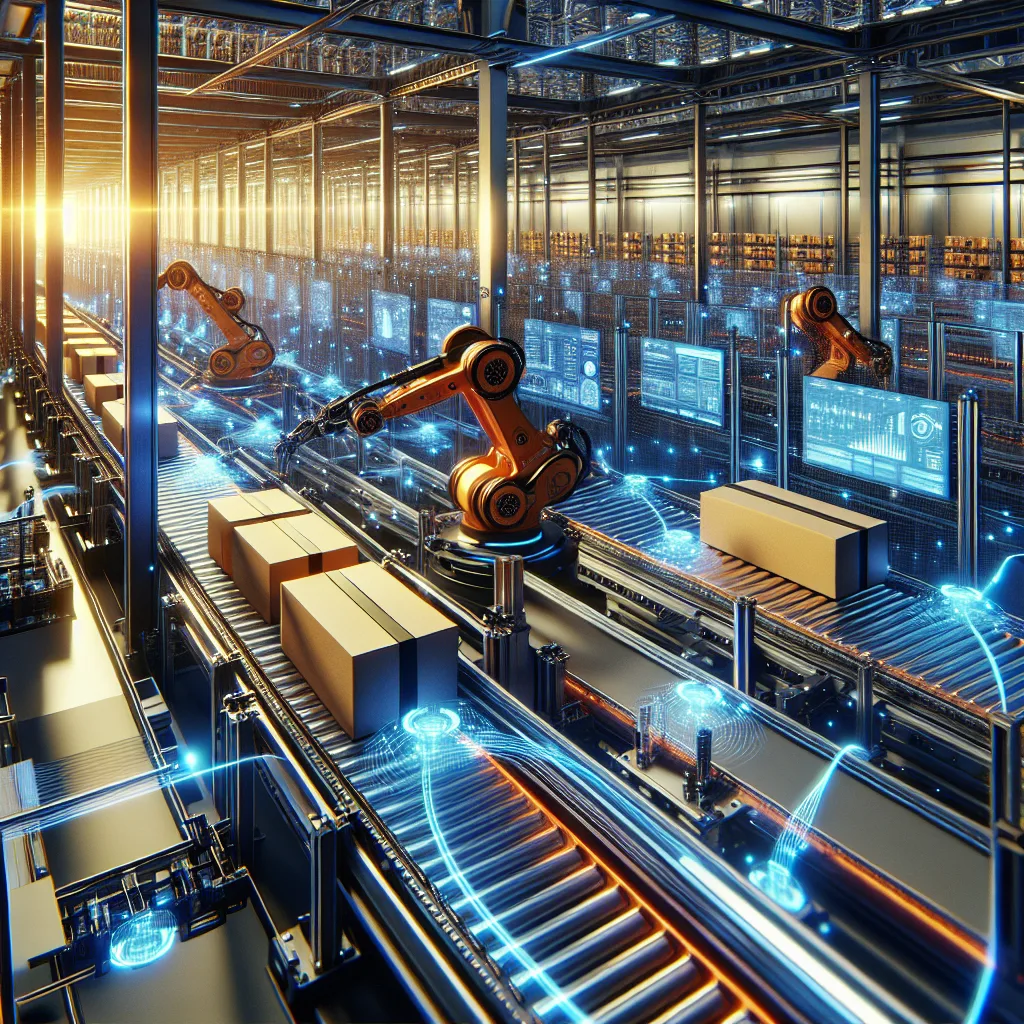
Industrial automation uses M2M technology to optimize manufacturing processes. It monitors equipment performance and predicts maintenance needs. These systems connect devices across factory floors. They automate quality control and production scheduling.
Supply Chain and Logistics
Supply chain management benefits greatly from M2M applications. These track inventory levels, monitor shipment conditions, and automate reordering processes. Logistics companies use M2M to optimize delivery routes. They monitor vehicle performance in real-time.
Smart home applications represent growing consumer markets. M2M technology enables automated climate control, security monitoring, and energy management systems.
Implementation and Best Practices
Setting up M2M solutions requires careful planning. This ensures successful setup and operation. Best practices include thorough requirements analysis, appropriate technology selection, and comprehensive testing procedures.
Organizations should start with pilot projects. This validates M2M concepts before large-scale deployment. This approach allows teams to identify potential issues. They can optimize system performance before committing significant resources.
Growth planning ensures M2M systems can expand with organizational needs. Systems should handle additional devices and increased data volumes. This should happen without requiring complete redesign.
Performance Optimization
Regular monitoring and maintenance optimize M2M system performance over time. Organizations should establish procedures for device management, software updates, and performance analysis.
Data collection strategies should balance information needs against network bandwidth and storage costs. Efficient data filtering and processing reduce unnecessary network traffic. This preserves important operational information.
Security Considerations
Secure M2M communication protects sensitive data. It prevents unauthorized access to automated systems. Authentication and authorization methods verify device identity. They control access to system resources.
Security risks in M2M deployments include data interception, device spoofing, and unauthorized system access. Organizations must put in place comprehensive security measures. This protects against these threats.
Secure communication requires encrypted data transmission, regular security updates, and monitoring for suspicious activities. M2M sim cards and specialized security hardware provide additional protection for mobile deployments.
Security Implementation
Multi-layered security approaches provide the most effective protection for M2M systems. This includes network-level security, device-level authentication, and application-level data protection.
Regular security assessments help identify vulnerabilities. They ensure ongoing protection against evolving threats.
Future of M2M Technology
M2M technology continues evolving with advances in sensor abilities, communication networks, and data processing power. Machine learning integration enables more sophisticated automated decision-making and predictive analytics.
5G networks will enhance M2M communication through improved bandwidth, lower delay, and support for massive device deployments. These improvements will enable new applications requiring high-speed, real-time communication.
Edge computing integration reduces dependence on centralized processing. It enables more autonomous M2M systems with improved response times and reduced network traffic.
Real-World M2M Use Cases Across Industries
The use cases for M2M technology span virtually every industry. This shows how widespread exchange of data between devices has become. Smart metering systems automatically collect and transmit energy consumption data to utility companies. This eliminates manual meter readings and enables real-time monitoring. Industrial facilities deploy specialized M2M sensors to track equipment performance. Fleet management companies use GPS-enabled devices to monitor vehicle locations and maintenance needs.
Healthcare represents a prime example of M2M communication transforming an entire sector. Medical devices equipped with M2M abilities transmit patient vitals directly to monitoring systems. This enables continuous care without human involvement. The potential of M2M technology in healthcare extends to remote patient monitoring. It includes automated medication dispensing and emergency response systems. These trigger alerts when critical thresholds are exceeded.
How M2M Integrates with Modern Internet Infrastructure
M2M and the internet work together to create sophisticated communication networks. They enable seamless data between devices across global networks. M2M communication in IoT deployments relies on internet protocols. This helps facilitate the exchange of data between devices located in different geographic regions. This complete guide to machine-to-machine technology reveals how internet connectivity amplifies M2M abilities. It allows devices to communicate beyond local networks.
The key M2M advantage lies in its ability to establish communication within closed systems. It maintains internet connectivity for broader data sharing. M2M refers to the direct communication between devices. It doesn't require constant internet access. Yet it uses internet infrastructure when remote monitoring or cloud-based analytics are needed. This mixed approach ensures reliable operation even when internet connectivity becomes intermittent.
The challenges of machine-to-machine implementation include deployment complexity and integration requirements. M2M focuses on direct device-to-device connections. These can be more reliable than internet-dependent solutions for critical applications. M2M is the foundation for industrial automation systems that require millisecond response times. Internet delay could compromise safety or performance.
Security measures to protect your M2M networks become increasingly important. This happens as these systems integrate with internet infrastructure. M2M technology enables devices to authenticate each other and encrypt communications. This ensures data integrity across both local and internet-based connections. M2M communication is transforming how organizations approach network security. It requires specialized protocols that address both local device authentication and internet-based threats.
Core Principles of M2M Communication
The foundation of M2M technology lies in its ability to enable direct data exchange between connected devices. This happens without human involvement. M2M technology allows devices to share critical information, make autonomous decisions, and trigger automated responses. These are based on set parameters. This seamless connectivity transforms how industrial systems operate. It creates intelligent networks that respond to changing conditions in real-time.
Communication can be considered truly machine-to-machine when it involves complete automation. This means no human interpretation or manual data entry between transmission and action. The system must be capable of receiving, processing, and acting on information independently. This qualifies as genuine M2M communication.
M2M Applications Across Industries
M2M has found widespread adoption across numerous industries. These range from manufacturing and healthcare to transportation and energy management. Smart grid systems use M2M communication to automatically balance electrical loads and detect outages. Fleet management solutions track vehicle performance and optimize routing decisions. These applications show how M2M technology creates measurable efficiency gains and cost reductions.
M2M is revolutionizing predictive maintenance strategies in industrial environments. It continuously monitors equipment health and performance metrics. Sensors collect vibration data, temperature readings, and operational parameters. These trigger maintenance alerts before failures occur. This proactive approach reduces unplanned downtime and extends equipment lifespan significantly.
M2M can be used to create sophisticated supply chain visibility systems. These track inventory levels, monitor shipment conditions, and automate reordering processes. These implementations show how M2M is a key enabler of digital transformation initiatives across manufacturing and logistics sectors. Companies implementing M2M solutions report improved operational visibility and reduced manual intervention requirements.
Frequently Asked Questions
What is the main difference between M2M and traditional communication systems?
M2M communication enables devices to communicate directly without human involvement. Traditional systems typically require human operators to start and manage communication processes. M2M systems automate data exchange and decision-making. This creates more efficient and responsive operations.
How does M2M technology improve business operations?
M2M technology delivers cost savings through automation. It reduces manual monitoring requirements and enables real-time data analysis for better decision-making. Organizations use M2M to optimize processes, predict maintenance needs, and improve overall operational efficiency.
What communication protocols work best for M2M applications?
The best protocol depends on specific application requirements. MQTT works well for lightweight messaging. Cellular protocols support wide-area deployments. Organizations should evaluate bandwidth needs, power use, and security requirements when selecting communication protocols for their M2M systems.
Can M2M systems work without internet connectivity?
Yes, M2M systems can operate through local networks without internet connectivity. Many industrial applications use dedicated M2M networks for direct communication between machines within facilities. This provides autonomous operation even when internet access is unavailable.
What industries benefit most from M2M communication?
Manufacturing, healthcare, logistics, and utilities see significant benefits from M2M applications. Smart cities, automotive systems, and home automation also represent growing markets where M2M technology enables automated monitoring and control abilities.
How do organizations ensure M2M system scalability?
Effective M2M implementations use modular designs that handle additional devices and increased data volumes. Organizations should plan for growth by selecting flexible communication protocols, scalable network infrastructure, and data processing systems that can expand with business needs.
What are the most common use cases for M2M communication?
The most common use cases include smart metering for utilities, fleet management tracking, and industrial equipment monitoring. These applications show the potential of M2M technology to automate data collection and reduce operational costs across diverse sectors.
How does M2M enable direct exchange of data between devices?
M2M refers to the direct communication pathway that allows devices to share information without human involvement or internet dependency. This specialized M2M design creates dedicated communication channels. These ensure reliable data between devices even in isolated environments.
Can you provide an example of M2M communication in industrial settings?
An example of M2M communication occurs when temperature sensors automatically trigger cooling systems in manufacturing facilities. This communication within the facility happens instantly. It shows how M2M focuses on direct device interactions that maintain optimal operating conditions without human oversight.
What challenges do organizations face when implementing M2M systems?
The challenges of machine-to-machine implementation include ensuring secure communication protocols and managing device authentication across networks. Organizations must protect their M2M infrastructure while ensuring that devices equipped with M2M abilities can communicate reliably. This requires specialized security frameworks and network management tools.
What industries benefit most from M2M technology?
M2M has found significant applications in manufacturing, healthcare, automotive, and utilities sectors. Automated data exchange creates substantial operational improvements in these areas. M2M technology allows these industries to implement predictive maintenance, real-time monitoring, and automated control systems. These reduce costs and improve reliability. Healthcare facilities use M2M for patient monitoring. Manufacturers deploy it for production line optimization.
How does M2M communication differ from regular data transmission?
Communication can be considered M2M only when devices exchange information and act autonomously. This happens without human involvement in the decision-making process. M2M is also characterized by its ability to trigger automated responses based on set rules and thresholds. Regular data transmission typically requires human interpretation and manual action. M2M creates closed-loop systems that operate independently.
Why is M2M important for digital transformation?
M2M is a key component of digital transformation because it enables organizations to automate previously manual processes. It creates intelligent, responsive systems. M2M can be used to establish real-time visibility into operations, optimize resource use, and implement predictive analytics. These drive strategic decision-making. This technology foundation supports the development of smart factories, connected products, and autonomous operational systems.
What are the primary benefits of implementing M2M solutions?
M2M technology allows organizations to reduce operational costs, improve system reliability, and enhance data-driven decision making through automated information exchange. The technology eliminates human error in data collection and transmission. It provides continuous monitoring abilities that identify issues before they become critical problems. Companies implementing M2M solutions typically see improved efficiency, reduced maintenance costs, and enhanced customer service abilities.
M2M communication transforms how organizations operate by enabling automated, efficient systems. These respond to changing conditions without human involvement. This technology provides the foundation for smart cities, industrial automation, and countless other applications. These improve our daily lives. Understanding M2M fundamentals helps organizations implement successful solutions. These deliver real-time data insights and significant operational improvements. As M2M technology continues evolving, early adopters gain competitive advantages. They get enhanced automation and data-driven decision-making abilities.
Related Articles
M2M Terminology Glossary: Every Term You Need to Know
M2M connectivity lets devices or machines interact without human input. Smart meters collect energy use data and send it directly to utility companies. ...
The M2M Market: Size, Growth, and Future Projections
Recent market reports show the M2M sector has reached high levels of maturity and adoption across industries. Recent studies provide comprehensive size ...
M2M Communication Examples in Everyday Life
M2M communication examples are all around us. They work behind the scenes to make our daily lives more efficient and automated. Your smart thermostat ad...