
In this article
- Decentralized M2M networks eliminate single points of failure by distributing processing across multiple nodes
- Peer-to-peer architecture reduces latency and improves scalability compared to traditional hub-and-spoke models
- Blockchain and edge computing frameworks enable secure, autonomous machine communication
- Enterprise deployments benefit from improved resilience and reduced network congestion
- Open-source protocols are driving collaborative development of decentralized infrastructure
- Organizations must overcome challenges in orchestration and interoperability when transitioning from centralized systems
- Decentralized Network Architecture Fundamentals
- Centralized vs Decentralized: The Key Differences
- Blockchain and Framework Integration
- Enterprise Infrastructure and Scaling
- Wireless Network Orchestration
- Overcoming Implementation Challenges
Decentralized Network Architecture Fundamentals
A decentralized network spreads control and processing power across many connected nodes. It doesn't rely on a central authority. This design gets rid of the traditional hub-and-spoke model. That old model creates bottlenecks during busy periods. Each node in a decentralized network has its own processing power. It can make independent decisions about data routing and communication. This spread-out approach lets machines talk directly to each other. They use peer-to-peer connections. This reduces delays and improves system response. The design uses edge computing principles. It processes important data locally first. Then it sends only key metadata to other network participants. This approach cuts bandwidth needs a lot. It still keeps system intelligence across the entire network.Node Distribution and Connectivity
Decentralized networks place nodes strategically. This ensures good coverage and backup options. Unlike centralized systems that push all traffic through one point, distributed nodes create multiple paths for data. This design prevents network jams. It provides other routes when individual nodes have problems. Wireless connectivity between nodes allows flexible setup. No extensive cabling is needed. Modern decentralized protocols support various wireless standards. These include 4G and next-generation technologies. They provide reliable machine-to-machine communication across different environments.Centralized vs Decentralized: The Key Differences
Traditional centralized systems use a hub and spoke model. All communication flows through a central server. This approach creates natural bottleneck points. These limit scalability. They introduce failure points that can compromise entire network operations. Centralized systems need big infrastructure investments to handle peak loads. This often results in wasted computing resources during normal operations. The central server must process every transaction. It must analyze all datasets and coordinate responses across the entire network. Decentralized systems spread these jobs across multiple nodes. This enables parallel processing and better resource use. Each node contributes processing power to the group network. This creates a team environment that scales naturally with demand.Performance and Reliability Comparisons
Decentralized networks show better fault tolerance than centralized alternatives. When one node experiences a breach or failure, the remaining network keeps working. There's no service interruption. This resilience makes decentralized architecture very attractive for enterprise applications that need high availability. Lower delays represent another big advantage of distributed systems. Machines can talk directly with nearby nodes. They don't route all traffic through distant central hubs. This direct communication reduces response times. It improves real-time application performance.Blockchain and Framework Integration

Open-Source Development and Collaboration
Open-source blockchain frameworks speed up the development of decentralized M2M solutions. Team development efforts produce strong, tested protocols. Organizations can deploy these without vendor lock-in concerns. These frameworks provide standard APIs and interfaces. These simplify integration with existing enterprise systems. Development teams can use pre-built components. They can customize specific functionality to meet unique operational needs.Enterprise Infrastructure and Scaling
Enterprise deployments need careful planning. They must integrate decentralized networks with existing infrastructure. Organizations must evaluate their current setup. They need to identify opportunities to decentralize operations without disrupting critical business processes. Scaling decentralized networks involves adding new nodes rather than upgrading central servers. This horizontal scaling approach provides more predictable cost structures. It enables gradual capacity expansion based on actual demand. The framework for enterprise deployment includes security protocols. It includes data governance policies and interoperability standards. Organizations must establish clear guidelines for node management. They need workload distribution and network maintenance rules.Resource Management and Orchestration
Good orchestration ensures optimal resource allocation across distributed nodes. Advanced management platforms provide real-time visibility. They show network performance, node health, and data processing metrics. Enterprise systems must balance computing resources efficiently. This prevents individual nodes from becoming overwhelmed. Smart workload distribution algorithms automatically route processing tasks. They send tasks to available nodes based on current capacity and performance characteristics.Wireless Network Orchestration
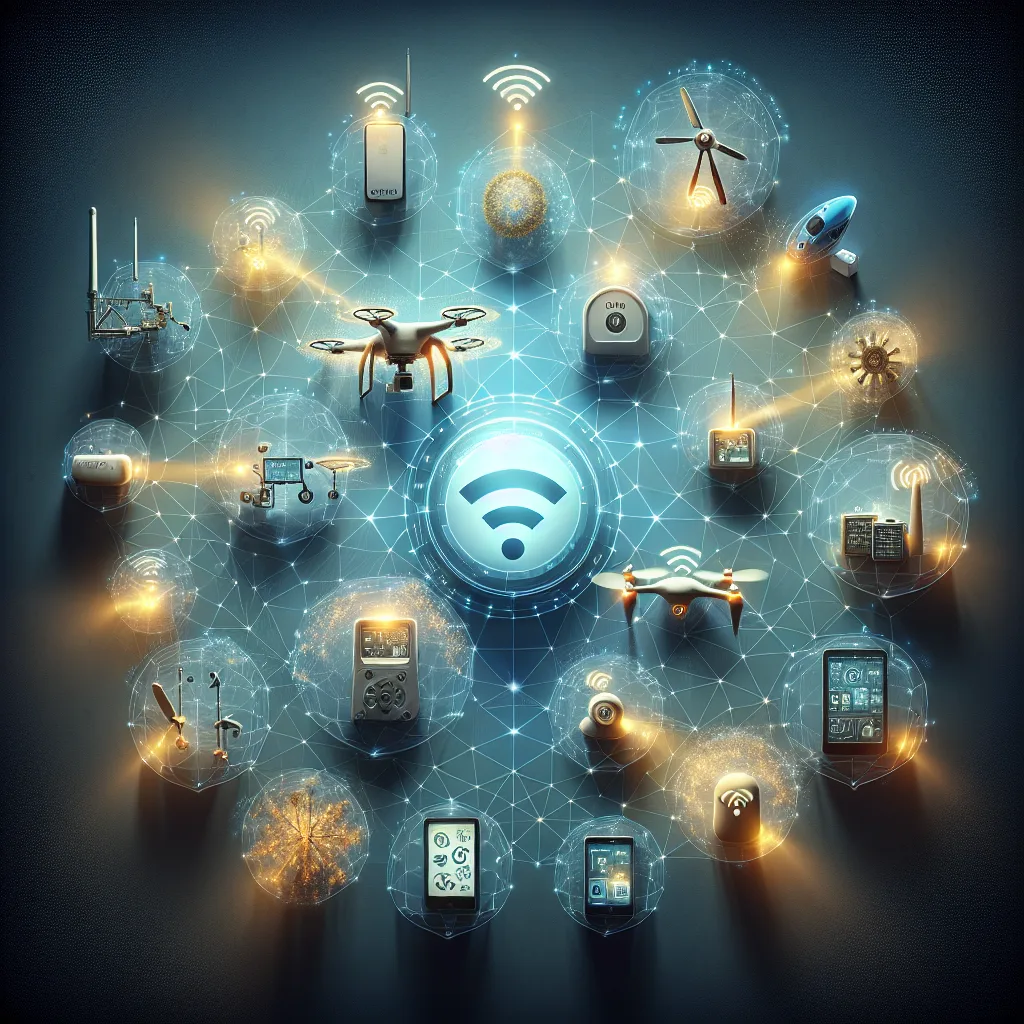
Wireless networks provide the connectivity foundation for decentralized M2M deployments. Modern wireless protocols support mesh networking capabilities. These enable nodes to communicate directly without relying on centralized routing infrastructure. Each wireless node can function as both a communication endpoint and a relay point for other network participants. This mesh topology creates multiple pathways for data transmission. It improves network resilience and reduces dependency on individual hotspot locations. Advanced orchestration systems manage wireless connectivity automatically. They select optimal communication paths based on signal strength, delay, and available bandwidth. These systems adapt to changing network conditions without manual help.Interoperability and Protocol Standards
Successful decentralized wireless networks need standard protocols. These enable different device types to communicate effectively. Interoperability standards ensure that devices from various manufacturers can participate in the same network ecosystem. Protocol standardization efforts focus on creating lightweight communication frameworks. These work across different wireless technologies. These standards support smooth data collection and processing across mixed device environments.Overcoming Implementation Challenges
Security and Governance Considerations
Decentralized networks introduce new security challenges. These differ from traditional centralized systems. Each node becomes a potential entry point for security threats. This requires comprehensive security frameworks. These protect individual nodes and network communications. Governance policies must address node participation requirements. They must cover data sharing protocols and consensus mechanisms for network decisions. These policies ensure orderly network operations while maintaining the benefits of decentralized architecture.Industrial IoT deployments increasingly use decentralized networks. These distribute operational intelligence across manufacturing facilities and supply chains. These networks allow IoT devices to share computational load efficiently. This reduces dependency on single points of failure while maintaining high throughput for critical operations. The working relationship between edge nodes enables real-time analytics. This happens without needing constant communication with distant data centers.
Blockchain-powered M2M networks show compelling use cases. These work across autonomous vehicle fleets and smart grid infrastructure. Networks like Helium use token-based incentive mechanisms. These encourage node participation. They create trustless environments where devices can orchestrate complex operations without central oversight. This approach transforms traditional centralized and decentralized architectures. It enables machines to delegate specific responsibilities based on their computational capabilities and network position.
Network Topology and Resource Distribution
Decentralization in M2M systems needs careful consideration of how processing power gets distributed across participating nodes. Edge devices must handle unstructured data streams. They must maintain secure encryption protocols that protect inter-device communications. Modern implementations use lightweight consensus mechanisms. These are similar to those found in cryptocurrencies. They enable autonomous decision-making without sacrificing security or performance.
Industrial networks benefit from distributed topologies. These can withstand equipment disruption while maintaining operational continuity. Decentralized networks excel in environments where traditional hub-and-spoke models create bottlenecks or single points of failure. The ability to redistribute workloads dynamically ensures that critical M2M communications continue. This happens even when individual nodes experience failures or maintenance downtime.
Implementing blockchains in M2M architectures requires balancing transaction throughput with network consensus requirements. Smart contract platforms enable devices to execute predetermined protocols automatically. This reduces the need for human involvement in routine operational decisions. This automation proves particularly valuable in supply chain management. Multiple parties need verifiable proof of asset transfers and condition monitoring.
Economic Incentives in Decentralized Networks
Blockchain-based M2M networks create new economic models. Device operators can earn cryptocurrency by providing network coverage and data relay services. The Helium Network exemplifies this approach. It rewards hotspot operators with HNT tokens for maintaining network infrastructure and validating device communications. This distributed reward system eliminates the need for traditional telecommunications infrastructure investments. It creates sustainable network growth.
Cost-effective deployment becomes achievable when network participants share infrastructure costs. They receive token incentives for their contributions. Device manufacturers benefit from reduced connectivity expenses. Network operators generate passive income through their participation in the decentralized ecosystem. This economic alignment ensures network sustainability without relying on centralized funding or corporate subsidies.
Technical Implementation Challenges
Sub-GHz frequency bands present unique advantages for decentralized M2M networks. They offer extended range and improved penetration through obstacles compared to higher frequency alternatives. These lower frequencies enable sparse network topologies. Individual nodes can cover larger geographical areas. This reduces the total number of access points required for comprehensive coverage. Long-range, low-power protocols leverage these frequency characteristics. They maintain reliable connections across distributed network architectures.
High transaction volumes in decentralized networks require robust consensus mechanisms. They need efficient data routing protocols to prevent network congestion. Open source software development speeds up the creation of interoperable solutions. This allows multiple vendors to contribute protocol improvements and network optimizations. Community-driven development ensures that decentralized M2M protocols evolve rapidly. They address scalability challenges and maintain network performance standards.
Frequently Asked Questions
What are decentralized M2M networks moving beyond central hubs?
Decentralized M2M networks are distributed systems where machines communicate directly through peer-to-peer connections. They don't route all traffic through central hubs. This architecture distributes processing across multiple nodes. It eliminates bottleneck conditions and single points of failure common in traditional centralized systems.
How do decentralized networks improve enterprise scalability?
Decentralized networks enable horizontal scaling by adding new nodes rather than upgrading central infrastructure. Each node contributes computing resources to the network. This allows systems to grow naturally with demand while maintaining performance and reducing the workload on individual components.
Why are blockchain frameworks important for decentralized M2M?
Blockchain provides the foundational framework for secure, autonomous machine interactions without central authorities. Smart contracts enable direct device-to-device transactions. Distributed ledgers maintain transparency and trust across the decentralized network architecture.
How do wireless networks support decentralized M2M deployment?
Wireless networks enable flexible node deployment and mesh connectivity patterns required for decentralized systems. Each wireless node can relay communications for other network participants. This creates backup pathways that improve connectivity and eliminate dependence on central routing infrastructure.
What challenges must organizations overcome when implementing decentralized M2M?
Organizations must address integration with legacy systems. They must handle data processing consistency across nodes. They face increased network management complexity. Security frameworks must protect distributed nodes. Governance policies ensure orderly operations and maintain interoperability across the decentralized architecture.
How do decentralized networks handle data processing and orchestration?
Decentralized networks distribute data processing across multiple nodes using smart orchestration systems. These automatically allocate resources based on capacity and performance. This approach reduces delays by processing important data locally while sharing only metadata across the network infrastructure.
How do decentralized networks handle IoT devices with limited processing power?
Decentralized networks implement hierarchical structures. More powerful nodes delegate computational tasks to devices with specific responsibilities. Edge gateways often handle encryption and data aggregation for resource-constrained sensors. This distributed approach prevents any single device from becoming overwhelmed while maintaining network-wide operational efficiency.
What are the main use cases for token-based M2M networks?
Token incentives drive participation in networks like Helium. Device owners earn rewards for providing connectivity services. Industrial applications use tokens to facilitate automated payments between machines. This enables autonomous supply chain transactions. These trustless systems eliminate intermediaries while providing transparent audit trails for all machine-to-machine interactions.
How does decentralization improve network resilience against disruption?
Decentralized architectures distribute critical functions across multiple nodes. This eliminates single points of failure that plague centralized systems. When disruption affects individual nodes, the network can orchestrate automatic failover procedures using unstructured routing protocols. This redundancy ensures that analytics and operational data continue flowing even during equipment failures or maintenance windows.
Can blockchains maintain adequate throughput for real-time M2M applications?
Modern blockchain implementations use specialized consensus mechanisms designed for high-throughput M2M environments. These networks often employ off-chain processing for routine transactions while using distributed ledgers for critical validation tasks. The working relationship between traditional networking protocols and blockchain verification enables real-time performance without sacrificing the security benefits of decentralized architectures.
How do device operators earn cryptocurrency in decentralized M2M networks?
Network participants earn cryptocurrency by providing coverage, validating transactions, and relaying data for other devices in the network. The Helium Network rewards operators with HNT tokens based on their proof-of-coverage contributions and data transfer activities. This creates a cost-effective alternative to traditional cellular connectivity while generating passive income for network contributors.
What advantages do sub-GHz frequencies offer for decentralized networks?
Sub-GHz frequencies provide superior range and penetration characteristics compared to higher frequency bands. They enable sparse network deployments with fewer access points. These frequencies support long-range communication protocols that can handle high transaction volumes across distributed network topologies. The extended coverage reduces infrastructure requirements and operational costs for decentralized M2M implementations.
Why is open source software important for decentralized M2M development?
Open source software enables team development of decentralized protocols. This ensures interoperability and prevents vendor lock-in scenarios. Community contributions speed up innovation and help networks handle high transaction loads through optimized routing algorithms and consensus mechanisms. This team approach creates more robust and cost-effective solutions than proprietary alternatives.
How do economic incentives affect network reliability in decentralized systems?
Token rewards motivate network operators to maintain high uptime and service quality. Their ability to earn cryptocurrency depends on consistent network participation. Participants invest in reliable hardware and optimal placement to maximize their HNT or other token earnings. This economic alignment creates self-sustaining networks that remain cost-effective while maintaining service standards comparable to centralized alternatives.
The shift toward decentralized M2M networks moving beyond central hubs represents more than a technology upgrade. It's a basic reimagining of how machines should communicate. Organizations implementing these systems today position themselves for future IoT growth. They build more resilient, scalable infrastructure. Start by evaluating your current system architecture. Identify opportunities to integrate edge computing capabilities that support decentralized operations. The transition requires careful planning. But the benefits of reduced delays, improved scalability, and enhanced reliability make decentralized architecture required for modern M2M deployments.Related Articles
Digital Twins and M2M: Creating Virtual Replicas of Physical Assets
How to Build an M2M Data Pipeline: From Sensor to Dashboard
Building an IoT data pipeline for M2M communication requires establishing a strong streaming pipeline architecture. This forms the foundation of your en...
Multi-Protocol Gateways for M2M Communication
Industrial automation leaders like Mitsubishi and Omron have embraced multi-protocol gateway technology. They use it to bridge legacy systems with moder...