In this article
- Edge computing enables M2M systems to process data locally at the device level, reducing latency and bandwidth requirements
- Processing data closer to the source improves real-time decision-making for critical industrial applications
- Edge computing helps protect sensitive data by keeping it within local networks instead of transmitting to distant data centers
- Manufacturing, healthcare, and transportation sectors benefit most from edge computing's reduced latency and improved reliability
- The combination of edge AI and distributed computing creates more autonomous and intelligent M2M systems
- Organizations can reduce cloud computing costs while maintaining data privacy through strategic edge computing implementation
- Understanding Edge Computing in M2M Systems
- Benefits of Edge Computing for M2M Applications
- Applications of Edge Computing Across Industries
- Edge AI Integration for Intelligent M2M Systems
- Data Processing Strategies at the Edge
- Future of Edge Computing in M2M
Understanding Edge Computing in M2M Systems
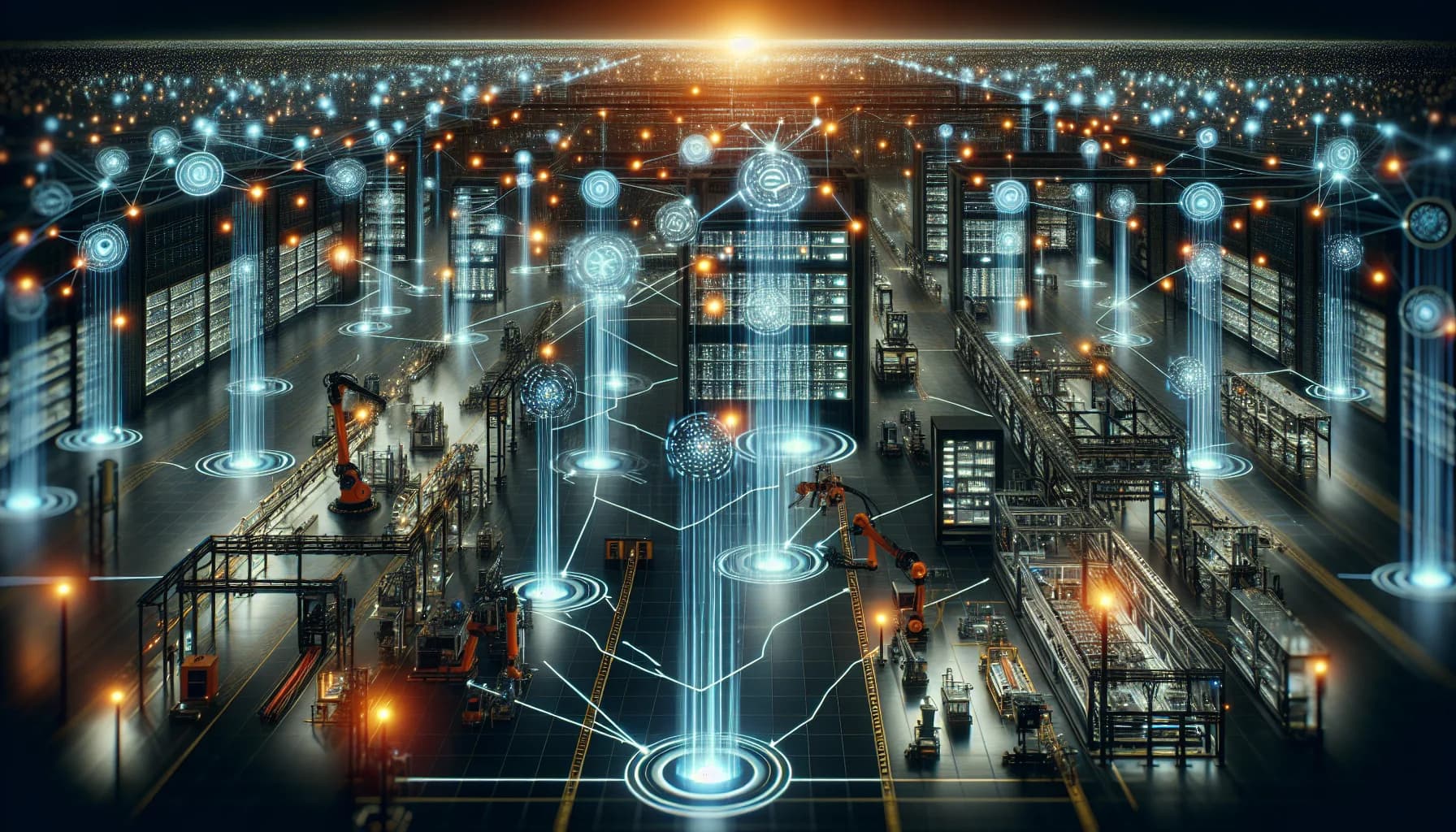
Edge computing moves processing power from central data centers to edge devices. These devices sit closer to where data starts. This approach reduces how much data travels across networks. It also makes decisions faster at the point where data gets collected. Old M2M systems send raw data to the cloud for processing. Edge computing uses a different model. It does initial data processing on local devices first. Then it sends only selected data to central systems. This mixed approach combines the benefits of local processing with cloud computing's ability to grow. Edge devices with processing power can filter, analyze, and act on data right away. Manufacturing sensors can spot problems and fix them immediately. They don't need to wait for cloud analysis. Scalable M2M system architectures now use edge computing more often. This helps them handle growing data amounts while keeping systems responsive. The setup usually has multiple layers. Edge devices do initial data processing. Edge gateways collect information from multiple sources. Cloud systems handle long-term storage and complex analysis. This layered approach uses resources better. It also makes sure critical data reaches decision-makers quickly.Benefits of Edge Computing for M2M Applications
Reduced Latency and Real-Time Processing
Edge computing cuts delays by removing the need to send data to distant data centers first. Industrial automation systems need real-time processing to stay safe and efficient. When data gets processed closer to its source, response times drop from hundreds of milliseconds to single digits. Real-time data processing becomes critical in apps like self-driving cars. Split-second decisions prevent accidents. Edge computing lets vehicles process sensor data locally. They use cloud connections for non-critical updates and learning.Enhanced Data Privacy and Security
Processing data locally makes data privacy better. It reduces exposure during transmission. Sensitive data stays within company boundaries. It doesn't travel through public networks to central data centers. Healthcare M2M systems benefit a lot from this approach. Patient data stays closer to its source while meeting rules. Edge computing helps companies keep control over sensitive data. They still get insights from analysis. Local processing means fewer chances for data breaches during transmission. Companies can add targeted security measures at edge locations.Bandwidth Optimization and Cost Reduction
Edge computing reduces bandwidth needs by processing and filtering data before transmission. Instead of sending raw sensor readings all the time, edge devices can send summaries, alerts, or only data that goes beyond specific limits. This selective approach cuts data transfer costs and network traffic. Companies using edge computing report 30-50% cuts in bandwidth usage compared to cloud-only approaches. The mix of edge and cloud computing creates cost-effective solutions. They process data where it makes most sense economically.Applications of Edge Computing Across Industries
Manufacturing and Industrial Automation
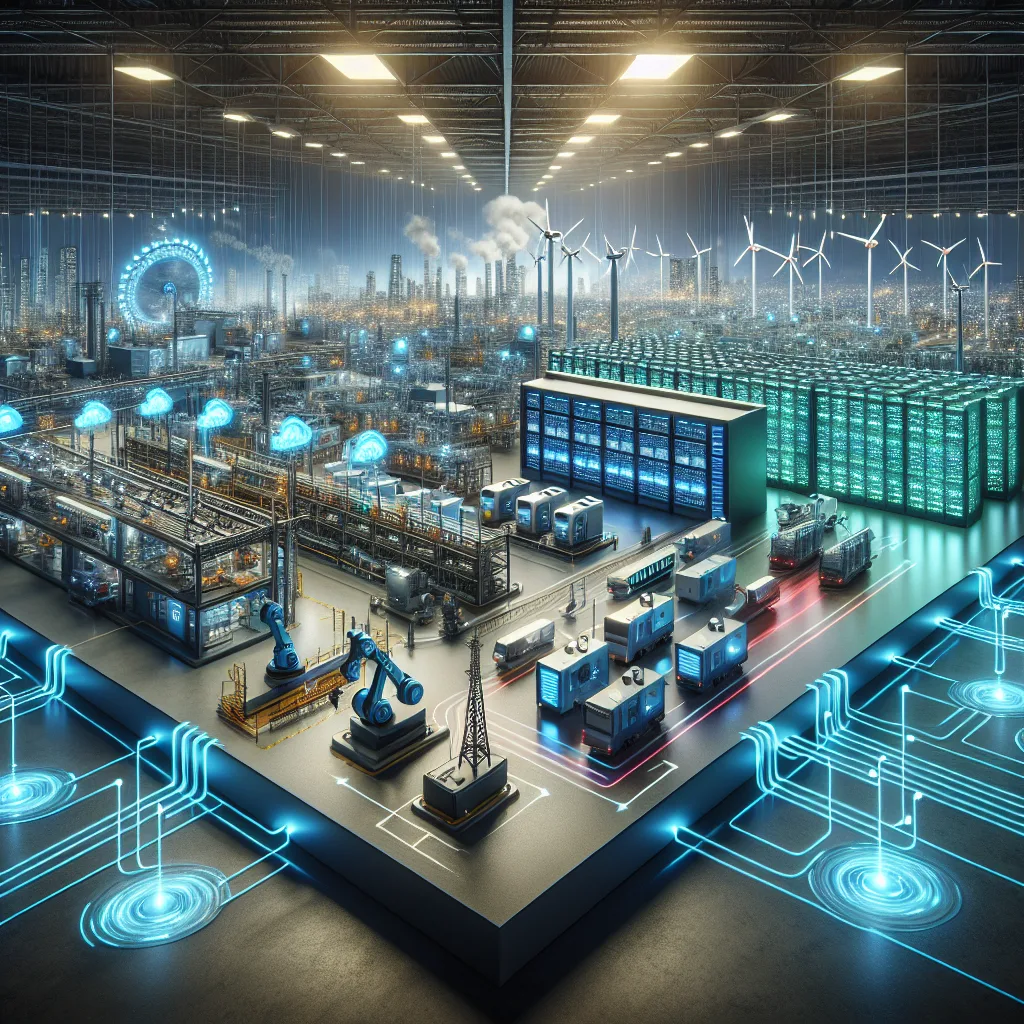
Manufacturing environments create huge amounts of sensor data. This comes from production equipment, quality control systems, and environmental monitoring devices. Edge computing allows immediate analysis of machine performance data. It sends predictive maintenance alerts and quality control decisions without needing cloud connectivity. Production lines use edge computing to spot defects in real-time. They adjust settings automatically to maintain quality standards. This immediate response prevents waste and reduces downtime. It works better than systems that depend on centralized data processing.Healthcare and Medical Devices
Medical M2M systems need reliable, low-delay processing for patient monitoring and emergency response. Edge computing lets medical devices process vital signs locally. They trigger immediate alerts when conditions change rapidly. Patient monitoring systems can work independently of network connections. They sync data when connections become available. Remote healthcare apps especially benefit from edge computing's ability to process data locally. Medical devices can give immediate feedback to patients. They send summary data to healthcare providers for long-term monitoring.Transportation and Fleet Management
Vehicle telematics systems create continuous streams of location, performance, and diagnostic data. Edge computing lets vehicles process this information locally. They make immediate decisions about route optimization, maintenance needs, and safety alerts. Fleet operators get processed insights rather than raw data streams. This improves decision-making while cutting transmission costs. Choosing between edge and cloud computing approaches depends on specific transportation needs. Many applications benefit from hybrid solutions.Edge AI Integration for Intelligent M2M Systems
Edge AI combines artificial intelligence with edge computing. This lets M2M systems make smart decisions locally. Machine learning models deployed on edge devices can analyze patterns, detect problems, and optimize operations without constant cloud connectivity. Edge AI applications include predictive maintenance models. These analyze vibration patterns on manufacturing equipment. Computer vision systems inspect products for defects. Natural language processing handles voice-controlled industrial interfaces. These abilities transform passive data collection systems into smart, responsive networks. Using edge computing with AI needs careful thought about computing resources and power limits. Edge devices must balance processing power with energy efficiency. This leads to specialized hardware designed for edge AI workloads. Edge computing brings smart computing closer to where decisions matter most. Manufacturing robots can adjust operations based on real-time quality analysis. Agricultural sensors can modify irrigation based on soil conditions and weather predictions processed locally.Data Processing Strategies at the Edge
Hierarchical Processing Architecture
Good edge computing setups use hierarchical processing strategies. These distribute workloads across multiple levels. Edge devices handle immediate processing needs. Local gateways collect and pre-process data from multiple sources. Cloud systems do complex analysis on processed datasets. This approach optimizes resource use by keeping simple processing tasks at the edge. It reserves cloud resources for computationally intensive analysis. Data storage strategies must support this hierarchy. Edge devices keep recent data locally. Cloud systems handle long-term storage and historical analysis.Selective Data Transmission
Edge computing enables smart data filtering. This reduces unnecessary network traffic. Instead of transmitting all sensor readings, edge devices can process data locally. They send only significant events, summaries, or data that exceeds predetermined thresholds. Fog computing architectures provide additional processing layers. These bridge edge devices and central systems. They enable more sophisticated data processing strategies. Companies must design data processing workflows that balance local processing abilities with centralized analysis needs. Critical decisions happen at the edge. Strategic planning relies on comprehensive data analysis in the cloud.Future of Edge Computing in M2M

Localized Processing for M2M Communication
Edge computing transforms how M2M systems handle information. It brings data processing closer to connected devices and sensors. This change enables processing closer to where data starts. It reduces the amount of data that needs transmission to central cloud servers. Manufacturing facilities using edge computing devices can process sensor readings locally. They can also handle equipment diagnostics and operational parameters at the edge rather than routing everything through distant data centers.
Putting computing resources at the edge of the network allows M2M systems to analyze data at or near the collection point. This enables immediate responses to critical events. This approach transforms how industrial sensors and automated systems interact. It allows them to process data in real time without waiting for round-trip communications to remote servers.
Optimizing Data Flow and Network Efficiency
Traditional M2M setups often struggle with large amounts of data from industrial sensors, cameras, and monitoring equipment. Edge computing offers a solution by processing and storing data locally. This reduces network congestion and bandwidth needs. Instead of transmitting raw sensor data continuously, edge systems filter, combine, and analyze information. Then they send only actionable insights to central management platforms.
Modern industrial facilities create massive volumes of operational data. This would overwhelm traditional centralized processing models. Bringing data analysis capabilities directly to production lines helps. Storage facilities and remote monitoring stations allow M2M systems to handle data at the edge efficiently. This distributed approach ensures that critical decisions happen at the source of data collection. It improves response times and reduces dependency on constant network connectivity.
Edge computing reduces latency by removing the delays in transmitting data to distant processing centers and waiting for responses. When equipment monitoring systems can analyze vibration patterns, temperature changes, and performance metrics locally, they detect problems and trigger maintenance alerts within milliseconds. This ability proves critical for M2M applications where equipment failures could result in production shutdowns or safety hazards that need immediate attention.
Edge computing processes data closer to where the data starts rather than sending it to centralized cloud servers. This approach transforms how data gets handled in M2M environments. This is especially true when dealing with time-sensitive industrial applications. Edge computing minimizes latency by keeping computing resources near the data source.
The automotive industry shows how edge computing processes data for critical safety systems. Self-driving cars rely on edge computing to analyze sensor data from cameras, radar, and LiDAR systems in real-time. Cars rely on edge computing because transmitting this data to a distant cloud server would introduce dangerous delays. These delays could result in accidents.
Reducing Network Load and Bandwidth Requirements
Edge computing reduces the volume of data transmitted over networks. It filters and processes information locally. Instead of sending raw sensor readings from hundreds of connected devices, edge nodes transmit only relevant insights and alerts. Edge computing minimizes bandwidth costs while maintaining system responsiveness. This is particularly valuable for companies managing large-scale M2M deployments.
Manufacturing environments show how edge computing monitors production line efficiency and equipment health. The demand for real-time data processing in these settings makes local computation vital. It helps maintain operational continuity. Processing sensitive data locally also addresses privacy concerns and regulatory compliance requirements. These restrict data movement across geographic boundaries.
Future Implications for Industrial M2M Systems
Edge computing will become increasingly critical as industrial IoT deployments scale and create larger data volumes. Companies that harness the full potential of edge computing will gain competitive advantages. They'll get faster decision-making and reduced operational costs. How data gets processed at the edge will determine which companies can effectively manage tomorrow's interconnected industrial ecosystems.
Distributed Processing Architectures
Modern M2M systems benefit from a combination of edge computing and cloud infrastructure. This optimizes data processing workflows. This hybrid approach allows companies to process time-sensitive data locally. They can leverage cloud resources for complex analytics and long-term storage. Manufacturing facilities typically deploy edge nodes at production lines. These handle immediate control decisions while sending combined data to centralized systems.
Managing data in distributed environments requires careful consideration of network topology and processing capabilities at each node. Edge computing devices must handle varying data loads while maintaining consistent performance across multiple locations. Industrial operators often implement tiered processing strategies. Edge devices filter and preprocess raw sensor data before transmitting relevant information to higher-level systems.
Implementation Strategies for M2M Networks
Successful deployment requires companies to use edge computing to manage real-time processing demands while reducing bandwidth consumption. Edge nodes can execute critical decision-making algorithms locally. This eliminates the latency associated with round-trip communication to remote servers. This approach proves particularly valuable in applications like predictive maintenance. Immediate responses to equipment problems prevent costly downtime.
The architecture must accommodate varying computational requirements across different edge locations while maintaining system reliability. Processing capabilities at edge nodes should align with local data generation rates and criticality of real-time responses. Companies achieve optimal performance by distributing computational workloads. They base this on proximity to data sources and available network resources.
Frequently Asked Questions
What is edge computing and how does it benefit M2M systems?
Edge computing involves processing data closer to where it starts rather than sending it to distant data centers. For M2M systems, this means edge devices can process data locally. This reduces delays, bandwidth costs, and improves real-time decision-making capabilities while maintaining data privacy.
How does edge computing compare to cloud computing for M2M applications?
While cloud computing offers unlimited scalability and advanced analytics, edge computing provides immediate response times and reduced bandwidth requirements. Most effective M2M systems use edge computing for real-time processing and cloud computing for complex analysis. This creates hybrid architectures that optimize both performance and cost.
What types of data processing can happen at the edge in M2M systems?
Edge devices can handle filtering, aggregation, anomaly detection, predictive analytics, and immediate control decisions. Industrial automation systems use edge computing to process sensor data and trigger immediate responses. Transportation systems process GPS and diagnostic data locally for real-time optimization.
How does edge computing improve data security in M2M deployments?
Edge computing enhances data security by keeping sensitive data local rather than transmitting it across networks to centralized data centers. This approach reduces exposure to data breaches during transmission. It allows companies to implement targeted security measures at edge locations where critical data processing occurs.
What hardware requirements are needed for edge computing in M2M systems?
Edge computing requires processing capabilities at device locations. This includes CPUs, memory, and storage suitable for local data analysis. Edge AI applications need specialized processors optimized for machine learning workloads. Simpler applications may use standard microcontrollers with sufficient processing power to handle real-time data processing tasks.
Can existing M2M systems be upgraded to use edge computing?
Many existing M2M systems can incorporate edge computing through gateway devices that process data locally before cloud transmission. M2M gateway architectures can add processing capabilities to legacy systems. However, full benefits require edge-enabled devices throughout the network.
How does edge computing improve M2M system reliability?
Edge computing enhances M2M reliability by ensuring that critical data can be processed without traditional data center dependencies. When connectivity issues arise, edge systems continue analyzing sensor inputs and controlling automated processes locally. This distributed approach means that individual M2M nodes maintain operational capability even when network connections to central servers experience interruptions.
What types of M2M applications benefit most from edge processing?
Manufacturing automation, predictive maintenance systems, and real-time quality control applications gain the most from bringing data processing closer to operational equipment. These M2M scenarios require immediate analysis of sensor readings and automated responses. These cannot tolerate the delays associated with cloud-based processing. Edge computing devices excel in environments where split-second decisions directly impact production efficiency and equipment safety.
How does edge computing address bandwidth limitations in industrial M2M networks?
Edge computing reduces bandwidth requirements by processing and filtering data at or near collection points before transmission. Instead of sending continuous streams of raw sensor data, edge systems transmit only processed insights, alerts, and summary reports to central management platforms. This approach optimizes network utilization and ensures that limited bandwidth connections can support comprehensive M2M monitoring and control systems.
What security advantages does edge computing provide for M2M communications?
Edge computing enhances M2M security by keeping sensitive operational data localized within facility networks. This is rather than transmitting everything to external cloud services. This approach reduces exposure to network-based attacks. It allows companies to implement customized security protocols that match their specific industrial requirements. Data at the edge remains under direct organizational control. This enables more precise access management and compliance with industry-specific data protection regulations.
What exactly does edge computing refer to in M2M applications?
Edge computing processes data at or near the location where the data starts, rather than sending it to centralized servers. This approach transforms how data flows through M2M networks. It enables real-time analysis and decision-making at the device level.
How does edge computing reduce network strain in industrial settings?
Edge computing reduces the volume of data transmitted by processing information locally before sending only essential results upstream. This approach minimizes bandwidth usage and prevents network congestion. Network congestion could impact critical M2M communications. Edge computing optimizes network resources while maintaining system performance.
Why is processing data locally important for autonomous vehicles?
Self-driving cars rely on edge computing to make split-second decisions based on sensor data. They do this without the delays caused by transmitting data to a distant server. Cars rely on edge computing because even milliseconds of latency can be the difference between avoiding an obstacle and causing an accident. Processing sensitive data locally also ensures vehicle systems remain functional even when network connectivity is poor.
What role will edge computing play in future M2M deployments?
Edge computing will become the backbone of next-generation M2M systems. The demand for real-time data processing continues to grow. Companies must position themselves to unlock the full potential of edge computing to remain competitive. They need this in increasingly connected industrial environments. Edge computing brings intelligence closer to data sources. This enables faster responses and more efficient operations.
What is the combination of edge computing and cloud processing in M2M systems?
The combination of edge computing and cloud infrastructure creates a hybrid architecture. This processes critical data locally while leveraging centralized resources for comprehensive analytics. Edge devices handle immediate control functions and data filtering. Cloud systems perform complex modeling and historical analysis. This approach optimizes both response times and computational efficiency across distributed M2M networks.
How do organizations manage data in distributed environments effectively?
Companies manage data in distributed environments by implementing tiered processing strategies and standardized communication protocols across edge nodes. Local processing reduces data transmission requirements while maintaining data consistency through synchronized operations. Effective management requires real-time monitoring of edge device performance and automated failover mechanisms. This ensures continuous operation.
Why use edge computing to manage M2M system performance?
Companies use edge computing to manage latency-sensitive operations and reduce bandwidth costs in M2M deployments. Local processing eliminates delays associated with transmitting data to remote servers for basic control decisions. Edge computing also provides system resilience by maintaining critical operations even when network connectivity to centralized systems becomes intermittent.
What challenges arise when processing data at multiple edge locations?
Processing data across multiple edge locations requires synchronization mechanisms to maintain consistency. This prevents conflicts between distributed decisions. Companies must address varying computational capabilities and network conditions at different sites while ensuring uniform data quality standards. Effective edge deployment strategies include redundant processing capabilities and automated load balancing. This handles fluctuating data volumes.
Edge computing for M2M represents a shift toward distributed intelligence. This processes data where it matters most. Companies implementing edge computing strategies gain immediate benefits in responsiveness and cost reduction. They also position their systems for future AI and automation capabilities. The key to success lies in designing architectures that balance local processing with cloud resources. This ensures optimal performance across all system components while maintaining the flexibility to adapt to evolving business requirements.Related Articles
Digital Twins and M2M: Creating Virtual Replicas of Physical Assets
How to Build an M2M Data Pipeline: From Sensor to Dashboard
Building an IoT data pipeline for M2M communication requires establishing a strong streaming pipeline architecture. This forms the foundation of your en...
Multi-Protocol Gateways for M2M Communication
Industrial automation leaders like Mitsubishi and Omron have embraced multi-protocol gateway technology. They use it to bridge legacy systems with moder...