In this article
- M2M technology enables real-time monitoring and automation across warehouse operations, reducing manual processes by up to 40%
- Sensor networks and wireless connectivity provide instant visibility into inventory levels, equipment status, and environmental conditions
- Predictive maintenance capabilities help avoid costly downtime by identifying equipment issues before they cause failures
- Seamless communication between machines streamlines supply chain operations and improves overall productivity
- Real-time data collection and analytics enable data-driven decisions that enhance operational efficiency
- Connected warehouse systems integrate with broader IoT ecosystems to drive innovation across logistics networks
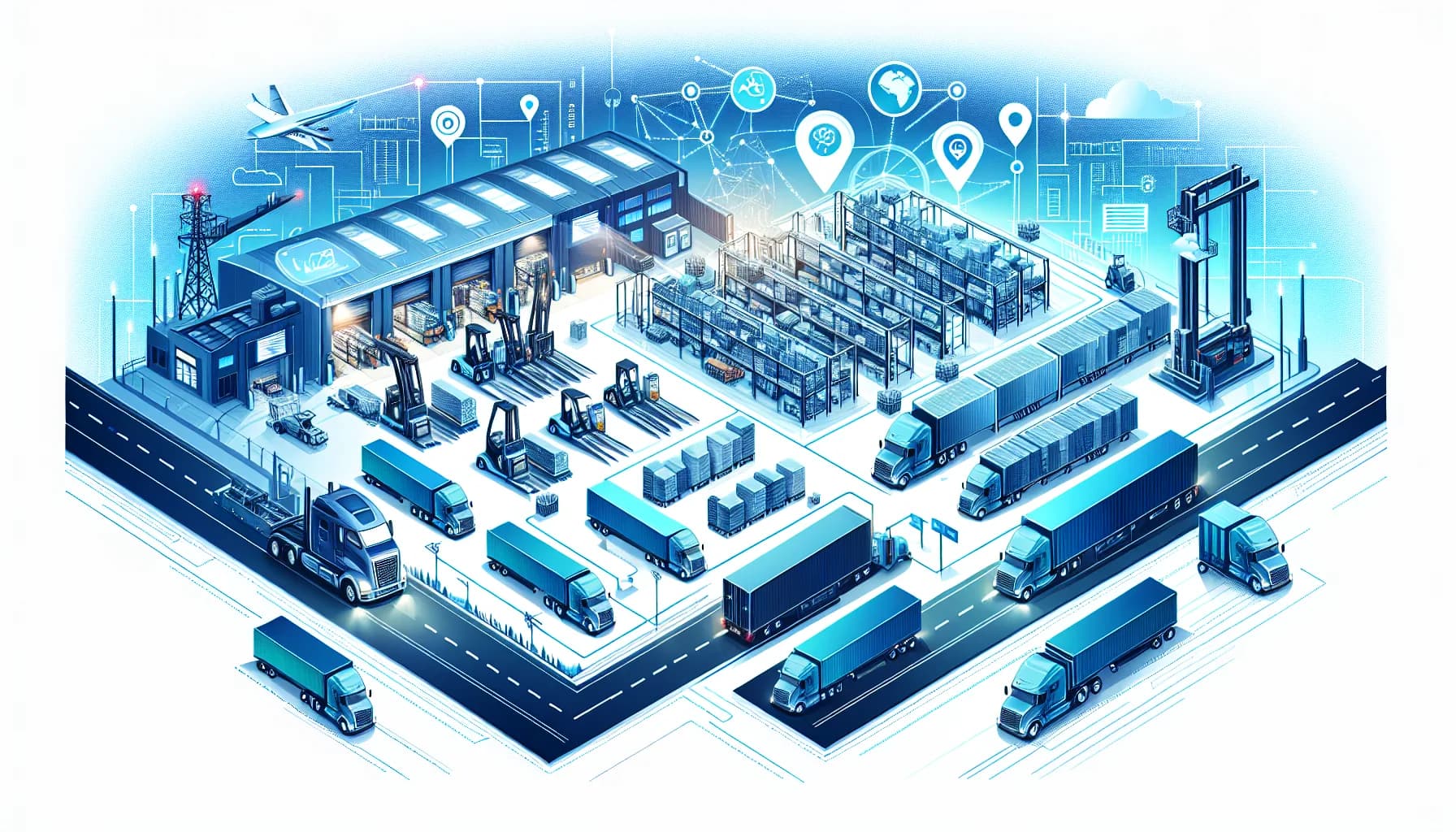
Modern warehouses face high demands for speed, accuracy, and efficiency. M2M technology has become the backbone of smart warehouse systems. It enables smooth coordination between equipment, systems, and processes without constant human help.
This digital shift goes beyond simple automation. Machine-to-machine communication creates connected networks. Conveyor systems, robots, climate controls, and inventory tracking devices work together perfectly. Real-time data flows between these systems all the time. This gives warehouse managers better visibility and control over their operations.
Supply chain leaders worldwide see that M2M integration delivers clear results. It reduces labor costs, improves accuracy rates, speeds up order fulfillment, and enhances customer satisfaction.
Table of Contents
- Core M2M Applications in Modern Warehouses
- Real-Time Monitoring and Sensor Networks
- Automation and Wireless Connectivity Solutions
- Predictive Maintenance and Downtime Prevention
- Supply Chain Integration and Logistics Optimization
- Data Analytics and Operational Intelligence
- Frequently Asked Questions
Core M2M Applications in Modern Warehouses
M2M applications change warehouse operations through smart connectivity between different systems. Automated guided vehicles (AGVs) talk directly with warehouse management systems. This helps optimize routing and task assignment. These vehicles get real-time instructions and provide continuous status updates without human oversight.
Inventory management benefits greatly from m2m technology. RFID readers and barcode scanners automatically update stock levels as items move through the facility. This smooth communication eliminates manual counting errors. It provides instant visibility into product availability across the entire warehouse.
Environmental monitoring systems represent another key application. Temperature sensors, humidity monitors, and air quality detectors continuously send data to central control systems. This automation ensures optimal storage conditions for sensitive products. It also reduces energy use through smart HVAC management.
Connected Warehouse Equipment
The connected warehouse concept relies on m2m networks to coordinate complex equipment operations. Conveyor systems adjust speeds automatically based on downstream capacity. Sorting mechanisms talk with shipping systems to optimize package routing. This level of coordination would be impossible through manual management alone.
M2M devices built into forklifts and other material handling equipment provide real-time location tracking. They also monitor performance. Fleet management systems use this data to optimize equipment use and schedule maintenance before problems occur.
Real-Time Monitoring and Sensor Networks
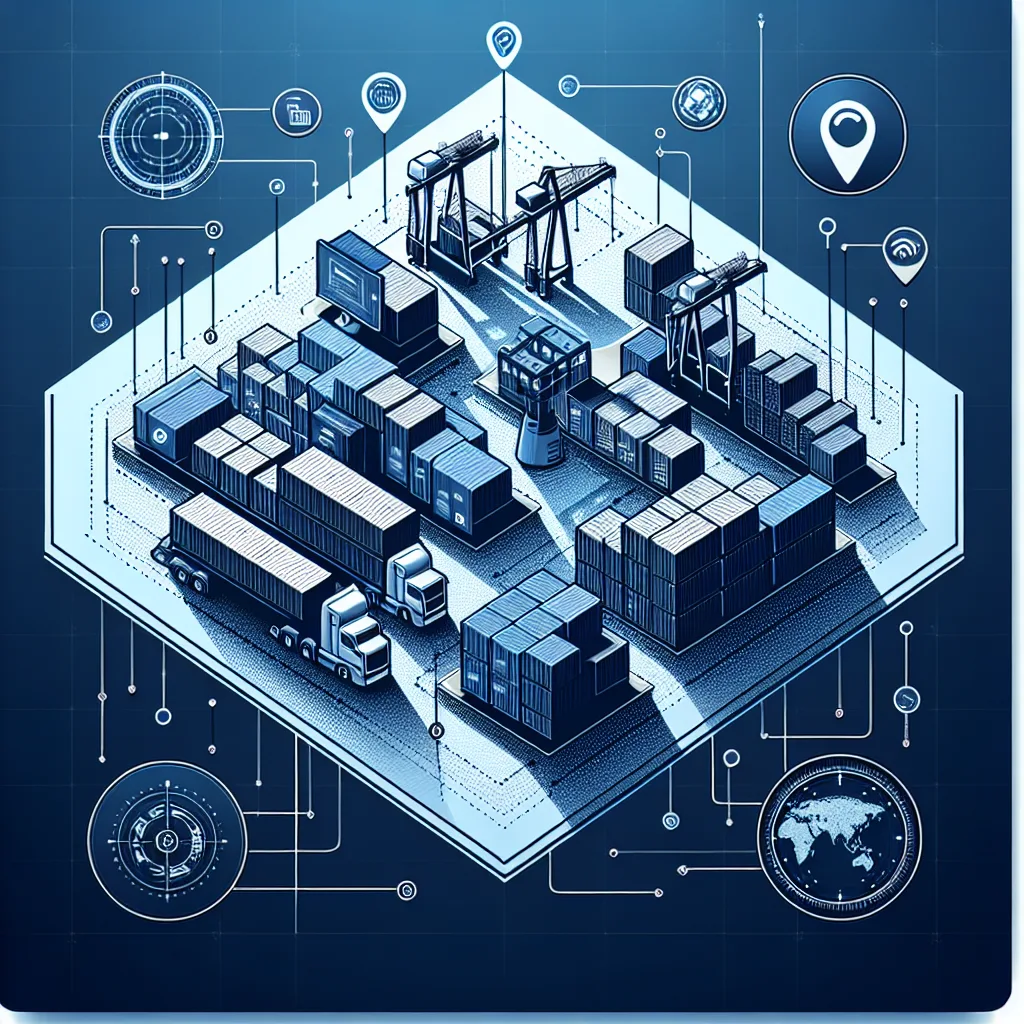
Real-time monitoring capabilities represent the foundation of modern warehouse intelligence. Sensor networks placed throughout facilities collect data on everything from equipment performance to environmental conditions. This continuous data collection enables immediate responses to changing conditions and potential issues.
Wireless sensor networks eliminate the need for extensive cabling. They provide flexible deployment options. Temperature sensors monitor cold storage areas. Vibration sensors detect equipment problems. Occupancy sensors optimize lighting and ventilation systems. Each sensor communicates wirelessly with central management systems. This creates comprehensive monitoring coverage.
The technology enables warehouse operators to track key performance indicators in real-time. Order processing times, equipment utilization rates, and energy consumption patterns become instantly visible through integrated dashboards. This visibility allows managers to make immediate adjustments that improve overall productivity.
IoT Integration Benefits
IoT integration extends m2m communication capabilities beyond individual warehouses. Connected devices share data across entire supply chain networks. This provides end-to-end visibility from manufacturers to end customers. This integration streamlines logistics operations and improves demand forecasting accuracy.
Data from sensors throughout the facility feeds into analytics platforms. These platforms identify optimization opportunities. Machine learning algorithms analyze usage patterns. They recommend workflow improvements that enhance operational efficiency.
Automation and Wireless Connectivity Solutions
Automation powered by m2m technology eliminates repetitive manual tasks. It also improves accuracy and speed. Robotic picking systems communicate with inventory databases to locate products efficiently. These systems adapt to changing product locations and availability. They don't need manual programming updates.
Wireless connectivity solutions enable flexible warehouse layouts. These can adapt to changing business needs. Equipment can be moved without rewiring. New devices integrate easily into existing networks. This flexibility supports rapid scaling and reconfiguration as warehouse requirements evolve.
The smooth communication between automated systems creates self-optimizing workflows. When one system experiences delays, connected equipment automatically adjusts. This maintains overall throughput. This coordination minimizes bottlenecks and maximizes facility utilization.
Connectivity Standards and Protocols
Modern warehouses deploy multiple connectivity technologies to support diverse m2m applications. Wi-Fi networks handle high-bandwidth communications. Cellular connections provide backup connectivity and support mobile equipment. Low-power wireless protocols enable long-term sensor deployments without frequent battery replacements.
M2M wireless solutions must handle the challenging RF environment typical in large warehouse facilities. Metal structures and dense inventory create signal propagation challenges. This requires careful network design and equipment selection.
Predictive Maintenance and Downtime Prevention
Predictive maintenance capabilities transform equipment management from reactive to proactive. M2M communication enables continuous monitoring of equipment health. This happens through vibration analysis, temperature monitoring, and performance tracking. This approach helps avoid costly downtime by identifying potential failures before they occur.
Sensor data collected from conveyor motors, hydraulic systems, and other critical equipment feeds into analytics platforms. These platforms detect problems. When patterns indicate coming failure, maintenance teams receive automatic alerts. This enables preventive actions.
The financial impact of predictive maintenance extends beyond repair cost savings. Reduced downtime maintains productivity levels. It prevents disruptions to customer deliveries. Some facilities report maintenance cost reductions of 20-30% through effective predictive maintenance programs.
Equipment Health Monitoring
Real-time monitoring systems track multiple equipment parameters at the same time. Oil temperature, pressure levels, vibration patterns, and energy consumption provide comprehensive health indicators. This multi-parameter approach improves diagnostic accuracy and reduces false alarms.
Historical data analysis reveals equipment wear trends. This informs maintenance scheduling and replacement planning. This data-driven approach optimizes maintenance resource allocation. It also extends equipment lifecycles.
Supply Chain Integration and Logistics Optimization
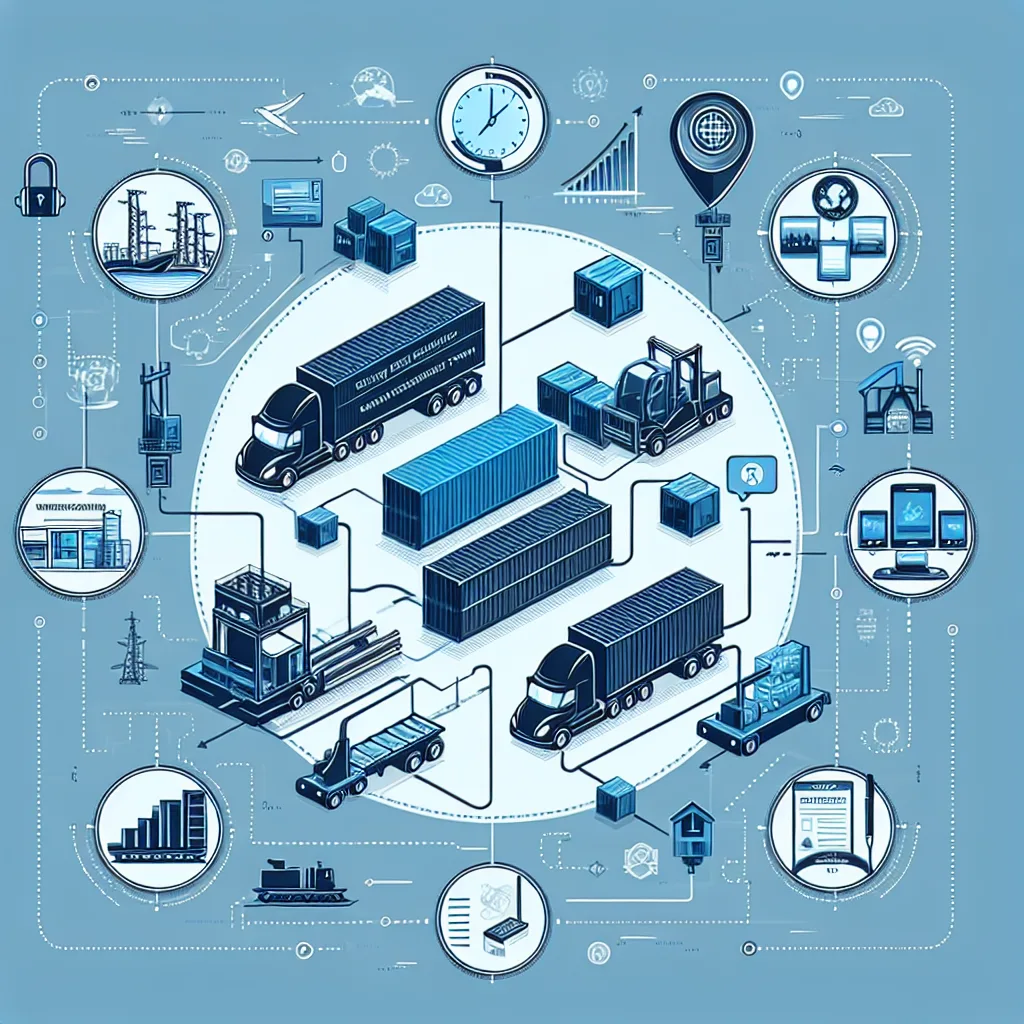
Supply chain integration through m2m technology creates unprecedented visibility across entire logistics networks. Warehouse systems communicate directly with transportation providers, suppliers, and customer systems. This coordinates activities seamlessly. This integration reduces delays and improves service levels throughout the supply chain.
Logistics optimization benefits from real-time data exchange between warehouses and transportation systems. Truck arrival notifications trigger automatic preparation activities. Shipping systems receive real-time updates on order status. This coordination eliminates waiting times and improves overall throughput.
Remote monitoring capabilities extend warehouse management beyond facility boundaries. Managers can track operations from anywhere. Automated systems handle routine decisions independently. This flexibility supports 24/7 operations without requiring constant on-site supervision.
Cross-Dock Operations
Cross-dock facilities particularly benefit from m2m system integration. Incoming shipments automatically trigger outbound loading processes. Inventory systems track products through the facility without traditional storage. This smooth coordination minimizes handling time and reduces labor requirements.
M2m technology enables precise timing coordination between inbound and outbound transportation. This synchronization reduces facility congestion. It maximizes dock door utilization throughout operating periods.
Data Analytics and Operational Intelligence
Data analytics transforms raw m2m data into actionable insights that drive continuous improvement. Advanced analytics platforms process sensor data, equipment performance metrics, and operational statistics. They identify optimization opportunities. This analysis capability turns data collection into competitive advantage.
The volume of data generated by m2m systems requires sophisticated processing capabilities. Analytics platforms aggregate information from thousands of sensors and devices. They create comprehensive operational dashboards. These dashboards enable data-driven decisions at both tactical and strategic levels.
Machine learning algorithms analyze historical patterns. They predict future equipment needs and operational requirements. This predictive capability supports better resource planning and capacity management decisions. This improves long-term operational efficiency.
Performance Optimization
Continuous performance monitoring identifies bottlenecks and inefficiencies that might otherwise go unnoticed. Real-time data reveals when equipment operates below optimal levels. It also shows when workflow patterns create unnecessary delays. This visibility enables immediate corrective actions that maintain peak performance.
Converting data into actionable insights requires integration of multiple data sources and analysis techniques. Combining equipment sensor data with operational metrics and external factors creates comprehensive models. These support optimization across all warehouse functions.
Modern warehouses leverage m2m technology to create comprehensive supply chain management systems. These systems track inventory from receipt to shipment. These facilities equipped with m2m sensors throughout storage areas provide real-time visibility. They show product location, quantity, and movement patterns. The technology eliminates manual counting errors. It reduces labor costs associated with traditional inventory management processes.
Advanced applications of m2m technology extend beyond basic inventory tracking. They include predictive maintenance of warehouse equipment and machinery. Smart forklifts and conveyor systems monitor machine health and performance metrics continuously. They alert maintenance teams before critical failures occur. This proactive approach minimizes downtime. It ensures optimal throughput during peak operational periods.
Real-Time Data Collection and Analytics
Warehouse managers now rely on m2m networks for collecting data from multiple sources at the same time. This includes temperature sensors in cold storage areas, weight sensors on loading docks, and motion detectors in security zones. This comprehensive data transmission enables warehouse operators to make data-driven decisions. They can decide about staffing levels, equipment deployment, and space utilization. The internet of things infrastructure supports these connected devices through robust communication protocols. These ensure reliable performance across large facilities.
M2m technology optimizes warehouse layouts and traffic management systems. It works for both human workers and automated equipment. Connected devices monitor pedestrian and vehicle movement patterns throughout facilities. They identify bottlenecks and safety hazards before they impact productivity. Companies use m2m technology to enhance workflow efficiency. They automatically route orders through the most efficient picking paths. This is based on real-time congestion data.
Integration with Broader Industrial Systems
The technology enables warehouses to integrate with external partners and customers through seamless connectivity. Modern sensor technology enables automatic updates to customer portals when orders ship. At the same time, it coordinates with waste management systems. This optimizes disposal schedules based on packaging volumes. These connected systems represent one of many applications transforming global supply chains. They create transparent, efficient operations that respond dynamically to changing market demands.
Strategic networks enable m2m communication between warehouse management systems and external logistics providers. This creates synchronized operations that reduce delays and improve customer satisfaction. This integration demonstrates how technology modernizes traditional warehouse operations. It does this through intelligent automation and predictive analytics capabilities.
Integration with Robotic Systems and Surveillance
M2M technology empowers warehouse operators to seamlessly integrate robotic systems with existing infrastructure. These automated units receive real-time data from sensors to navigate efficiently. They execute tasks based on real-time data analysis. The connected ecosystem allows robotic systems to communicate directly with inventory management platforms. This reduces human intervention and minimizes errors.
Modern surveillance systems benefit significantly from M2M connectivity. This enables comprehensive monitoring across various warehouse zones. These systems collect continuous data streams and transmit critical information to central monitoring stations. M2M also facilitates automatic alerts when surveillance systems detect problems. This ensures rapid response times and enhanced security protocols.
Cross-Industry Applications and Data Processing
M2M technology offers scalable solutions that enhance supply chain efficiency across various industries. This includes automotive to pharmaceuticals. Warehouses collecting data from sensors can now process information faster and more accurately than traditional methods. This technology continues to evolve. It provides increasingly sophisticated tools for inventory tracking and management across industries.
Raw data transformation into actionable insights occurs through M2M systems. These systems monitor and manage multiple processes at the same time. This creates a unified operational framework. Data exchange between machines eliminates bottlenecks. It enables warehouses to use real-time data to optimize their entire workflow, from receiving to shipping.
Advanced M2M implementations allow warehouse systems to improve performance across various operational parameters at the same time. These connected networks process vast amounts of information. They deliver precise recommendations for operational adjustments. The technology creates intelligent feedback loops that continuously enhance warehouse productivity and accuracy.
Early warehouse management systems relied heavily on manual processes and isolated equipment that couldn't communicate with each other. M2M communication technologies have paved the way for interconnected warehouse ecosystems. In these systems, every device, sensor, and system shares critical operational data in real-time. This transformation enables warehouse managers to make data-driven decisions. These optimize storage, reduce operational costs, and improve overall efficiency.
M2M-enabled inventory tracking systems provide unprecedented visibility into stock levels and product movement throughout the warehouse. Connected sensors continuously monitor inventory quantities. They automatically trigger reorder alerts when stock reaches predetermined thresholds. These systems eliminate the need for manual stock counts. They reduce the risk of stockouts or overstock situations that can disrupt supply chain operations.
Automated Material Handling Through M2M Integration
Conveyor systems, automated guided vehicles (AGVs), and robotic picking systems now communicate seamlessly through M2M networks. They coordinate material movement. These interconnected systems share location data, task assignments, and operational status. This optimizes workflow and prevents bottlenecks. When one system encounters an issue or completes a task, it immediately notifies other connected equipment. They adjust their operations accordingly.
Temperature-controlled storage areas benefit significantly from M2M monitoring systems. These track environmental conditions around the clock. Connected sensors continuously measure temperature, humidity, and air quality. They send alerts when conditions deviate from specified parameters. This proactive monitoring prevents product spoilage. It ensures compliance with regulatory requirements for sensitive goods like pharmaceuticals and perishables.
Predictive Maintenance and Equipment Optimization
M2M-connected warehouse equipment collects operational data. This enables predictive maintenance programs to identify potential failures before they occur. Vibration sensors, temperature monitors, and performance tracking systems provide continuous feedback on equipment health and efficiency. This data-driven approach reduces unplanned downtime. It extends equipment lifespan while maintaining optimal warehouse productivity.
Frequently Asked Questions
What exactly is M2M technology and how does it transform warehouse operations?
M2M technology enables direct machine-to-machine communication without human intervention. It creates intelligent warehouse ecosystems where equipment, sensors, and management systems coordinate automatically. This technology enables real-time monitoring, automated decision-making, and seamless workflow optimization. It can transform traditional warehouse operations into highly efficient, self-managing facilities.
How does M2M communication improve inventory management accuracy?
M2M communication connects RFID readers, barcode scanners, and inventory tracking systems. This provides instant updates as items move through the warehouse. This smooth connectivity eliminates manual data entry errors. It provides real-time visibility into stock levels. This enables more accurate inventory management and reduces costly stockouts or overstock situations.
What role do sensors play in M2M warehouse systems?
Sensor networks form the foundation of m2m warehouse systems. They collect continuous data on equipment performance, environmental conditions, and operational metrics. These sensors communicate wirelessly with central systems. This enables real-time monitoring, predictive maintenance, and automated responses that streamline operations and improve overall productivity.
Can M2M technology integrate with existing warehouse management systems?
Yes, modern m2m technology is designed to integrate with existing warehouse management systems. It does this through standard APIs and communication protocols. This integration allows businesses to leverage their current system investments. At the same time, it adds advanced automation and real-time data capabilities that enhance supply chain visibility and operational efficiency.
How does predictive maintenance using M2M help avoid costly equipment failures?
Predictive maintenance through m2m technology continuously monitors equipment health. It uses multiple sensor inputs including vibration, temperature, and performance data. This real-time monitoring identifies potential issues before they cause failures. This enables proactive maintenance that can avoid costly downtime. It extends equipment lifecycles while maintaining optimal logistics operations.
What are the key benefits of implementing M2M solutions in warehouse environments?
Key benefits of m2m solutions include reduced manual labor requirements and improved accuracy through automation. They also provide enhanced real-time data visibility, optimized supply chain coordination, and increased operational efficiency. These systems also enable better data analytics capabilities and remote monitoring. This helps warehouse operators make more informed, data-driven decisions about their operations.
How does M2M technology improve warehouse inventory accuracy?
M2m technology enhances inventory accuracy by providing real-time tracking of products. It uses RFID tags and smart sensors placed throughout storage areas. These systems enable continuous data collection on product movements. This eliminates the discrepancies that occur with manual counting methods. It provides managers with instant visibility into stock levels.
What role does sensor technology play in warehouse safety management?
Advanced sensor technology monitors environmental conditions and worker safety in real-time. It detects hazardous situations such as gas leaks, equipment malfunctions, or unauthorized access to restricted areas. These systems enable m2m communication between safety devices and central monitoring stations. They automatically trigger alerts and emergency protocols when dangerous conditions are detected.
Can M2M systems integrate with existing warehouse management software?
Modern m2m technology creates smooth integrations with established warehouse management platforms. It does this through standardized APIs and communication protocols. The data transmission capabilities of these systems allow for real-time synchronization between connected devices and existing software. This enables warehouse operators to make data-driven decisions without replacing their current infrastructure.
How does M2M technology support waste management in warehouse operations?
Connected waste management systems use m2m sensors to monitor bin fill levels. They optimize collection schedules based on actual usage patterns rather than fixed timelines. This technology reduces operational costs while maintaining clean, efficient warehouse environments. It does this through automated scheduling and route optimization for waste collection services.
How does M2M technology improve warehouse surveillance and monitoring?
M2M-enabled surveillance systems create a connected ecosystem that monitors warehouse operations continuously. This covers various zones and entry points. These systems collect real-time data from sensors and cameras. They detect unauthorized access, equipment malfunctions, and safety hazards. The technology offers immediate alerts and automated responses. This significantly reduces security risks and operational downtime.
What role does M2M play in integrating robotic systems with warehouse operations?
M2M technology coordinates robotic systems with existing warehouse infrastructure and management platforms. Robots receive instructions and navigation data through M2M connections. This enables them to operate based on real-time data from inventory systems and sensor networks. This integration allows robotic systems to work independently while maintaining constant communication with human operators and other automated systems.
How does M2M data processing improve supply chain efficiency?
M2M systems transform raw data into actionable insights. They collect data from sensors throughout the warehouse and analyze patterns in real-time. This data exchange between machines enables automated decision-making. This optimizes inventory levels, shipping schedules, and resource allocation. The technology continues to enhance supply chain efficiency by providing predictive analytics. It reduces manual intervention across various operational processes.
Can M2M warehouse solutions be applied across industries?
M2M warehouse technology empowers operations across various industries, from manufacturing and retail to healthcare and food distribution. Each industry benefits from the ability to monitor and manage specific requirements. This includes temperature control for pharmaceuticals or compliance tracking for automotive parts. The technology offers flexible configurations that adapt to different regulatory requirements and operational needs across industries.
How does M2M communication improve warehouse inventory accuracy?
M2M systems connect RFID readers, barcode scanners, and inventory sensors. This provides real-time tracking of every item entering, moving within, or leaving the warehouse. These connected devices automatically update inventory records and flag discrepancies. They maintain accuracy rates above 99% compared to traditional manual counting methods. The continuous data flow eliminates human error and provides instant visibility into stock levels across all warehouse locations.
What role do connected sensors play in warehouse climate control?
M2M-enabled environmental sensors continuously monitor temperature, humidity, and air quality throughout different warehouse zones. They automatically adjust HVAC systems to maintain optimal conditions. These sensors communicate with central control systems to detect temperature variations and respond immediately to prevent product damage. Connected climate monitoring is essential for warehouses storing pharmaceuticals, food products, or other temperature-sensitive inventory.
Can M2M technology reduce warehouse labor costs?
M2M communication enables automation of repetitive tasks like inventory counting, order picking route optimization, and equipment scheduling. This reduces the need for manual labor in these areas. Connected systems coordinate workflows between automated equipment and human workers. This improves productivity while allowing staff to focus on higher-value activities. Studies show that warehouses implementing comprehensive M2M solutions can reduce labor costs by 15-25% while improving operational efficiency.
How do M2M systems prevent warehouse equipment breakdowns?
Connected sensors monitor equipment performance metrics like vibration levels, operating temperatures, and power consumption. They detect early warning signs of potential failures. M2M systems analyze this data continuously and generate maintenance alerts when equipment shows signs of wear or abnormal operation patterns. This predictive approach prevents costly breakdowns and reduces maintenance costs. It schedules repairs during planned downtime rather than emergency situations.
Organizations that implement M2M warehouse systems gain significant competitive advantages. They get improved efficiency, reduced costs, and enhanced customer service capabilities. Success requires careful planning, appropriate connectivity solutions, and commitment to leveraging real-time data for continuous operational improvement. Start by identifying high-impact areas where M2M integration can deliver immediate results. Then expand systematically across your facility.
Related Articles
M2M for Container Tracking in Global Shipping
Global shipping moves over 90% of the world's trade. Millions of containers cross oceans daily. M2M for container tracking in global shipping changes ho...
Cold Chain Monitoring with M2M Sensors
Temperature-sensitive products lose billions in value each year. This happens when companies don't monitor cold chains properly. Products like medicines...
M2M in Last-Mile Delivery: Improving Efficiency
M2M systems implement smart combinatorial optimization algorithms to solve the routing problem for last-mile delivery networks. These algorithms analyze...