
In this article
- M2M communication started with basic telemetry systems in the 1950s. It has grown into advanced wireless networks that connect billions of devices.
- The shift from custom m2m systems to standard protocols helped speed up global adoption and made systems work better across industries.
- Modern m2m technology uses cellular networks, Wi-Fi, and LPWAN technologies. This enables real-time data sharing and automation.
- The move from m2m to IoT expanded connections beyond industrial uses to consumer devices and smart city infrastructure.
- Today's m2m systems work with cloud platforms and business intelligence tools. They deliver useful insights and automated responses.
- Future m2m developments focus on edge computing, 5G networks, and artificial intelligence. These will improve performance and reduce delays.
- Early Foundations of M2M Technology
- The Industrial Automation Era
- The Wireless Revolution in M2M
- Internet Integration and Standardization
- The M2M to IoT Transition
- Modern M2M Systems and Digital Transformation
- Future Developments in M2M Communication
Early Foundations of M2M Technology
M2m history begins in the 1950s with basic telemetry systems. These allowed remote monitoring of equipment and infrastructure. These early systems used dedicated wired connections to send basic operational data between machines and control centers. Power companies were the first to use these applications. They monitored electrical grid performance and detected failures across vast distribution networks. Radio-based telemetry appeared in the 1960s. This enabled the first true wireless m2m communication. These systems allowed utilities and industrial operators to monitor remote equipment without physical cable connections. Early implementations required custom hardware and unique protocols. This limited how well they could grow and work together with different manufacturers' systems. The 1970s brought advances with programmable logic controllers (PLC) and better sensor technology. These developments enabled more complex m2m applications beyond simple monitoring. They could now include automated control responses. Manufacturing facilities began using closed-loop systems. In these systems, machines could adjust operations based on real-time feedback from connected sensors.The Industrial Automation Era
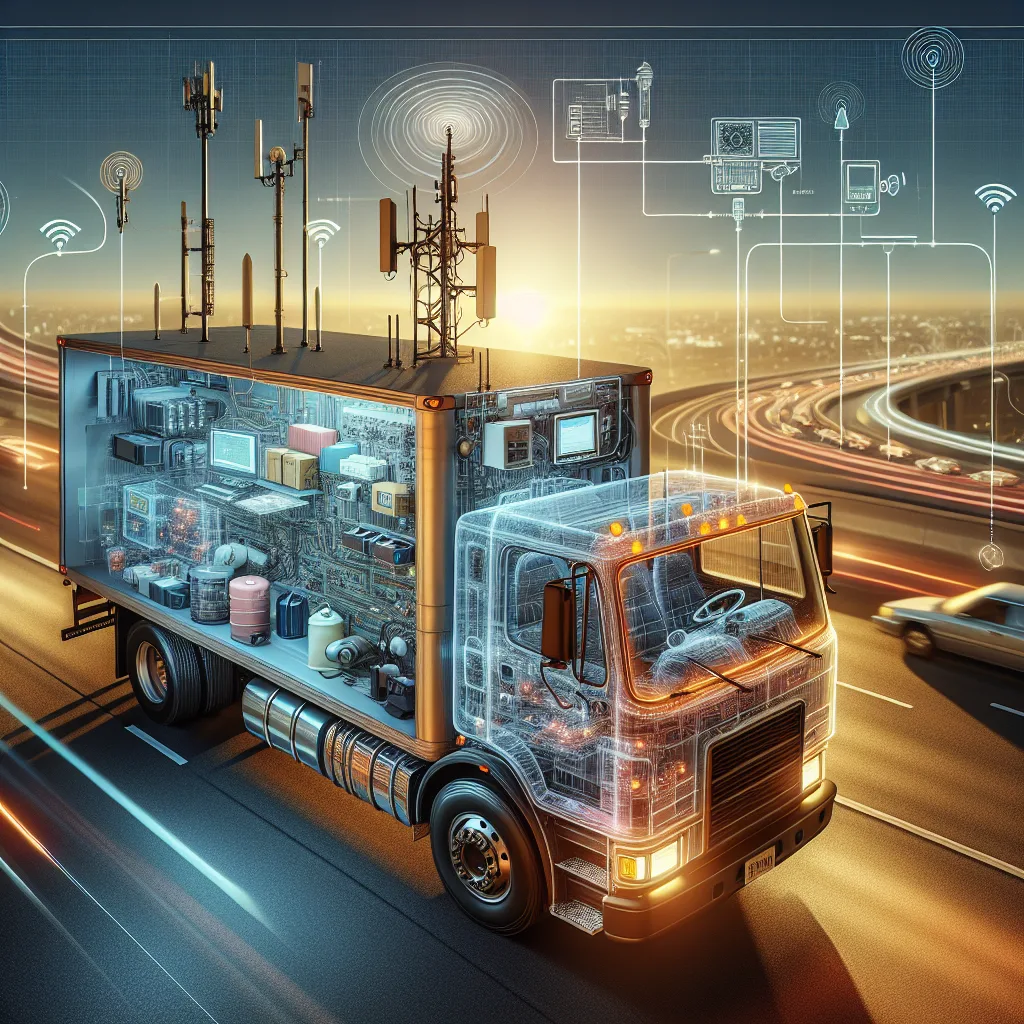
The 1980s marked a key decade as industrial automation expanded rapidly. Manufacturing companies saw m2m technology's potential to improve efficiency and reduce operational costs. Assembly lines added m2m systems to coordinate production processes. They also maintained quality control through continuous monitoring. Standardized communication protocols began emerging to address compatibility challenges. The development of industrial ethernet and fieldbus protocols helped different manufacturers' equipment connect more effectively. This standardization sped up m2m adoption across multiple industries beyond manufacturing. This included transportation and energy sectors. Fleet management emerged as a major m2m application during the late 1980s and early 1990s. Transportation companies used early m2m solutions to track vehicle locations. They also monitored fuel consumption and optimized routing. These systems showed the value of real-time data transmission for improving operational efficiency and reducing costs.The Wireless Revolution in M2M
Internet Integration and Standardization
The late 1990s and early 2000s saw the integration of m2m systems with internet protocols. This fundamentally changed how machines could connect and share data. TCP/IP adoption enabled m2m devices to communicate through existing network infrastructure. They could also access centralized data processing systems. Internet connectivity transformed m2m from isolated point-to-point connections to networked systems. These could support complex applications. Devices could now send data to centralized servers. They could receive software updates remotely and participate in distributed control systems. This evolution laid the groundwork for what would eventually become known as the internet of things. Web-based interfaces changed m2m system management. They enabled remote configuration and monitoring through standard browsers. Operators could access m2m data from anywhere with internet connectivity. This improved responsiveness and reduced maintenance costs. This accessibility made m2m technology available beyond specialized technical personnel.The M2M to IoT Transition
The evolution from m2m to iot began in the mid-2000s. This happened as computing power increased and device costs decreased. While traditional m2m focused mainly on industrial and utility applications, iot expanded the concept. It now included consumer devices and smart city infrastructure. This transition broadened the scope from machine-to-machine communications to include the entire internet of things ecosystem. Cloud computing platforms enabled new m2m and iot architectures. They provided scalable data processing and storage capabilities. Devices could now upload sensor data to cloud-based analytics platforms. These delivered business intelligence insights previously impossible with standalone m2m systems. This shift transformed m2m from simple monitoring tools to comprehensive data-driven solutions. The growth of mobile phones created new opportunities for m2m integration with consumer applications. Smartphones became gateways for m2m systems. This enabled users to monitor and control connected devices through easy-to-use mobile interfaces. This convergence sped up adoption across residential and commercial markets.Modern M2M Systems and Digital Transformation

Future Developments in M2M Communication
5G networks will revolutionize m2m communication through ultra-low latency and massive device connectivity capabilities. These networks will enable new applications requiring millisecond response times. They will support millions of connected devices per square kilometer. Industrial automation and autonomous vehicle systems will particularly benefit from these advances. Artificial intelligence integration represents the next evolution of machine-to-machine technology. AI-enabled m2m systems can learn from operational patterns. They can predict failures before they occur and automatically optimize performance parameters. This intelligence transforms reactive m2m systems into proactive platforms that continuously improve efficiency. The internet of everything (IoE) concept extends m2m connectivity beyond devices. It includes people, processes, and data in a unified network. This evolution represents the ultimate realization of ubiquitous connectivity. Every object becomes part of an intelligent, interconnected system. The distinction between traditional m2m and these expanded networks continues to evolve as technology capabilities advance.The Foundation of Modern M2M Systems
The earliest implementations of communication between devices relied heavily on telephone lines to send critical operational data. Theodore Paraskevakos pioneered many of these early concepts in the 1970s. He developed systems that could automatically report meter readings and system status without human intervention. These foundational systems established the basic workflow patterns that modern M2M networks still follow today.
Industrial giants like Siemens saw the potential of machine to machine communication early in its development. They invested heavily in custom systems that could monitor factory equipment and production lines. The IEEE began standardizing communication protocols in the 1980s. This ensured that different manufacturers' systems could work together reliably. This standardization effort proved crucial for creating the compatible network of machines we see in today's industrial environments.
The Digital Revolution and Enhanced Connectivity
The introduction of GSM data networks in the 1990s changed data connectivity by providing wireless alternatives to traditional wired connections. This breakthrough enabled remote monitoring systems to establish network connections across vast geographical areas. This made predictive maintenance feasible for distributed industrial assets. The enhanced data transfer capabilities of digital networks also allowed for more advanced monitoring and control functionality.
RFID technology emerged as a key enabler for the next generation of M2M systems. It provided automatic identification capabilities that expanded beyond simple telemetry. Each RFID use-case showed how passive communication technology could seamlessly integrate into existing industrial workflows. The massive volumes of data generated by these systems required new approaches to data processing and analysis. This laid the groundwork for what would eventually become the Industrial Internet of Things (IIoT).
Modern M2M systems represent a major evolution from their analog predecessors. They incorporate advanced communication technology that supports real-time decision-making and autonomous operation. Today's networks can process thousands of simultaneous connections while maintaining the reliability that industrial applications demand.
The Telecommunication Infrastructure Foundation
Early M2M systems relied heavily on traditional telecommunication networks. Simple modem connections enabled basic data exchange between machines. These pioneer implementations used dial-up connections and dedicated phone lines to transmit critical operational data. The foundation established during this era shaped how modern M2M systems approach connectivity challenges.
The transition from basic wired connections to supporting both wired and wireless communication methods marked a major milestone in M2M evolution. SMS messaging became one of the first widespread wireless protocols. It allowed machines to send short status updates and alerts across cellular networks. This breakthrough enabled remote monitoring applications that previously required physical site visits.
Modern M2M Integration and Management
Today's M2M systems center around advanced management platform architectures. These serve as a central hub for device coordination and data processing. These platforms integrate advanced data services with robust data protection mechanisms to ensure secure communication across various sectors. The evolution from simple point-to-point connections to comprehensive platform-based solutions represents decades of technological advancement.
Contemporary M2M applications demand higher bandwidth capabilities to support complex operations like energy management and real-time analytics. The convergence of IoT and AI technologies creates new possibilities for predictive maintenance and autonomous decision-making. However, this increased connectivity also introduces security issues that require constant attention and innovative solutions.
Industries ranging from manufacturing to healthcare now depend on M2M communication for critical operations. This shows the technology's versatility across different applications. The integration of artificial intelligence with traditional M2M protocols enables predictive analytics and automated responses to system changes. This evolution continues to reshape how machines interact and work together in industrial environments.
Frequently Asked Questions
Where did the history and evolution of m2m communications begin?
The history of m2m communications began in the 1950s with telemetry systems used by power companies and utilities for remote monitoring. These early systems used dedicated wired connections to send basic operational data between machines and control centers. They established the foundation for modern m2m technology.
What defines the history and evolution of m2m communication systems?
The evolution of m2m communication systems is defined by the progression from simple point-to-point telemetry to complex wireless networks supporting automation and real-time data transmission. Key milestones include the introduction of cellular connectivity, internet integration, standardized protocols, and the transition to iot platforms with advanced sensor capabilities.
How has the history and evolution of m2m communication changed industrial operations?
M2M communication has transformed industrial operations by enabling automation, real-time monitoring, and data-driven decision making. Modern m2m systems allow machines to connect across wireless networks, share sensor data instantly, and respond automatically to changing conditions without human intervention.
Does the evolution of m2m continue to influence modern connectivity?
Yes, the evolution of m2m continues to drive advances in connectivity through 5G networks, edge computing, and AI integration. Modern m2m technology supports millions of iot devices while enabling new applications in fleet management, smart cities, and industrial automation that require advanced data transmission and router capabilities.
Will future m2m communication systems integrate with emerging technologies?
Future m2m systems will increasingly integrate with artificial intelligence, 5G wireless technologies, and edge computing platforms. These integrations will enable more advanced automation, reduce power consumption, and support the internet of everything vision where all devices can connect and communicate seamlessly.
What defines the current generation of M2M communication systems?
The current generation of M2M systems features advanced data connectivity that enables seamless communication between devices across multiple network protocols. These systems integrate advanced workflow management capabilities that allow machines to make autonomous decisions based on real-time data analysis. Modern M2M networks can handle complex use-case scenarios that were impossible with earlier telephone line-based systems.
How has data transfer technology evolved in M2M applications?
Early M2M systems relied on basic data transfer over telephone lines. This limited both speed and functionality of connected devices. The transition to GSM data networks dramatically improved communication technology capabilities. It enabled more advanced network connections and real-time monitoring. Today's IIoT platforms can process vast amounts of data generated by connected machines while supporting predictive maintenance applications.
Who were the key pioneers in developing M2M communication protocols?
Theodore Paraskevakos played a crucial role in developing early machine to machine communication concepts, particularly in automated meter reading systems. Companies like Siemens invested heavily in industrial M2M applications. The IEEE worked to establish standardized protocols for device communication. These early efforts created the foundation for today's advanced network of machines that power modern industrial operations.
What role did RFID technology play in M2M evolution?
RFID technology expanded M2M functionality beyond traditional sensor-based monitoring to include automatic identification and tracking capabilities. Each RFID implementation showed new possibilities for integrating passive communication devices into industrial workflows. This technology became essential for creating comprehensive systems where data generated from multiple sources could be related and analyzed for improved operational efficiency.
How did early M2M systems handle data transmission?
Early M2M systems mainly used modem connections over traditional telecommunication lines to send data between machines. These systems relied on dial-up connections and dedicated phone lines. SMS became one of the first wireless protocols for simple status updates. The data services available were limited compared to today's high-speed networks.
What security challenges emerged as M2M communication evolved?
As M2M systems expanded across various sectors, security issues became more complex due to increased connectivity and data protection requirements. The evolution from simple point-to-point connections to network-based systems introduced vulnerabilities. These required advanced encryption and authentication methods. Modern management platform solutions now include multi-layered security protocols to address these challenges.
How do modern M2M systems differ from early implementations?
Modern M2M systems operate through a central hub architecture that supports both wired and wireless communication methods with higher bandwidth capabilities. Today's systems integrate energy management, IoT and AI technologies to enable predictive analytics and automated responses. This represents a major advancement from early systems that relied mainly on simple modem connections for basic data exchange.
What role does artificial intelligence play in current M2M evolution?
The integration of IoT and AI technologies transforms traditional M2M communication into intelligent, self-managing systems across various sectors. AI enables predictive maintenance, automated energy management, and real-time decision-making through advanced management platform architectures. This convergence addresses many security issues while providing higher bandwidth utilization and more efficient data services.
Organizations implementing m2m solutions today build upon decades of technological advancement. They also position themselves for future innovations in connectivity and automation. Success requires understanding both historical foundations and emerging technologies like 5G, edge computing, and AI integration.Related Articles
M2M Terminology Glossary: Every Term You Need to Know
M2M connectivity lets devices or machines interact without human input. Smart meters collect energy use data and send it directly to utility companies. ...
The M2M Market: Size, Growth, and Future Projections
Recent market reports show the M2M sector has reached high levels of maturity and adoption across industries. Recent studies provide comprehensive size ...
M2M Communication Examples in Everyday Life
M2M communication examples are all around us. They work behind the scenes to make our daily lives more efficient and automated. Your smart thermostat ad...