
In this article
- M2M technology transforms manufacturing processes by enabling direct machine-to-machine communication without human intervention
- AI-powered automation systems use real-time data to optimize manufacturing operations continuously
- IoT connectivity creates seamless networks where machines share data instantly for autonomous decision-making
- Predictive maintenance through M2M communication reduces unplanned downtime by up to 50%
- Scalable M2M systems integrate with existing industrial automation infrastructure to enable gradual lights-out transitions
- Remote monitoring capabilities allow operators to oversee multiple manufacturing cells from centralized control centers
M2M technology changes how factories work. It lets machines talk to each other without people. This creates fully automated production facilities that run without workers on the factory floor. The system uses IoT connectivity, AI-driven decisions, and real-time data sharing. Together, these create autonomous manufacturing environments.
Moving to lights-out manufacturing through M2M technology solves key problems in modern production. Labor costs keep rising. Companies struggle to find skilled workers. Customers want 24/7 operations. Manufacturers need solutions that don't rely on human operators. M2M systems provide the reliable communication needed. This transforms regular factories into smart manufacturing facilities.
M2M enables lights-out manufacturing through connected technologies that create autonomous production. The system includes sensor networks and machine learning algorithms. Each part helps manufacturing processes adapt, optimize, and manage themselves without constant human oversight.
Table of Contents
- Understanding M2M in Manufacturing
- Key Differences Between IoT and M2M in Industrial Settings
- AI-Powered Automation Systems
- Real-Time Connectivity Infrastructure
- Implementing Lights-Out Manufacturing
- Scalability and Integration Challenges
- Frequently Asked Questions
Understanding M2M in Manufacturing
M2M communication lets machines share data directly. They don't need human operators to interpret or relay information. This technology creates point-to-point connections. Machines share their operating status, production data, and maintenance alerts. Industrial systems use M2M protocols to coordinate complex manufacturing processes across multiple production lines.
M2M-enabled manufacturing builds on reliable communication networks between machines. Each piece of equipment becomes a connected node. It can send and receive critical operational data. Machines with sensors monitor their own performance constantly. They track changes in temperature, pressure, vibration, and other key factors. These changes might indicate potential issues.
M2M systems turn individual machines into smart components of a larger manufacturing ecosystem. AI algorithms analyze the constant data stream from connected equipment. They identify patterns and predict maintenance needs. This approach reduces unplanned downtime. It addresses potential failures before they occur. This maintains consistent production flow.
Direct Communication Benefits
Point-to-point communication between machines removes delays from human-mediated information transfer. When a machine detects a quality issue or needs material, it immediately talks to relevant systems. This starts corrective actions right away. This smooth coordination lets manufacturing cells operate on their own. They still maintain quality standards.
The internet of things expands M2M capabilities by connecting manufacturing systems to broader networks. IoT integration allows machines to access cloud-based analytics platforms. They can receive software updates and coordinate with supply chain systems. This connectivity enables real-time optimization of manufacturing processes. It responds to demand changes and resource availability.
Key Differences Between IoT and M2M in Industrial Settings
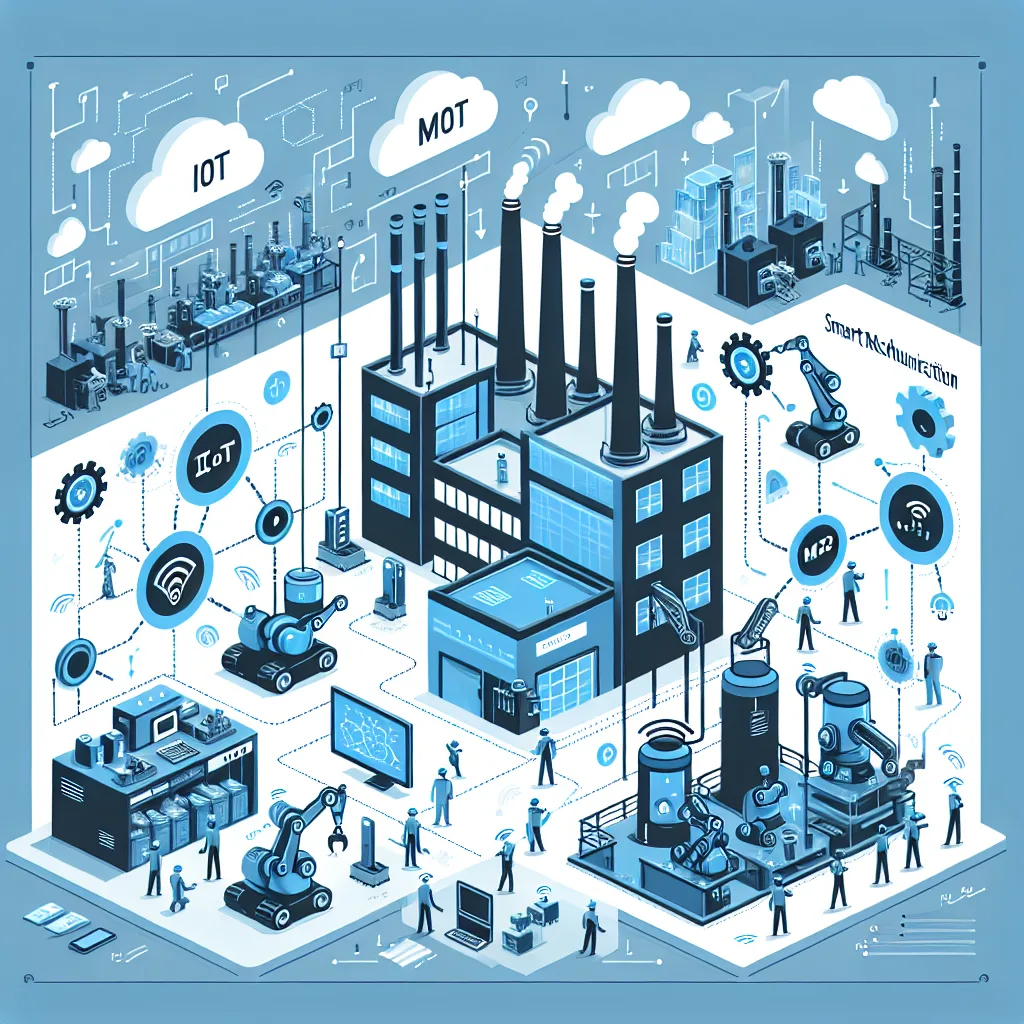
M2M and IoT serve different roles in lights-out operations. M2M typically involves direct, point-to-point communication between specific machines or systems. IoT creates broader networks connecting diverse devices through centralized platforms.
M2M communication often uses dedicated wireless networks or hardwired connections. These are designed for specific industrial applications. These systems focus on reliability and low latency over flexibility. They ensure critical manufacturing data reaches its destination without interruption. IoT devices connect through various protocols and networks. This offers greater scalability but may add complexity.
In lights-out manufacturing environments, both M2M and IoT technologies work together. M2M handles time-critical communications between machines on the production floor. IoT systems manage broader facility operations like environmental control, security, and resource management. This layered approach ensures autonomous manufacturing processes maintain both operational efficiency and facility safety.
Communication Protocol Selection
Manufacturing environments need robust communication protocols. These must handle industrial conditions. M2M systems often use specialized protocols designed for factory environments. They provide the reliability needed for autonomous operation. These protocols ensure messages reach their destinations. This works even in electrically noisy environments with electromagnetic interference from heavy machinery.
IoT protocols in manufacturing must balance functionality with reliability. Consumer IoT devices may tolerate occasional communication failures. Manufacturing systems require consistent connectivity to maintain production flow. The selection of appropriate protocols determines whether systems can achieve the reliability needed for lights-out operations.
AI-Powered Automation Systems
AI drives the decision-making capabilities that enable true lights-out manufacturing. Machine learning algorithms process streams of real-time data from connected machines. They identify patterns, predict failures, and optimize production parameters. These AI systems learn from historical data and ongoing operations. They continuously improve manufacturing performance.
AI integration with M2M communication creates self-managing manufacturing systems. When machines detect anomalies or performance variations, AI algorithms evaluate the data. They determine appropriate responses. This might involve adjusting machine settings, scheduling maintenance, or reallocating production tasks. This maintains overall system efficiency.
AI-powered systems extend beyond individual machine control. They encompass entire manufacturing processes. Advanced algorithms coordinate material flow. They manage inventory levels and optimize production schedules based on real-time demand data. This comprehensive approach enables lights-out factory operations that adapt dynamically to changing conditions.
Predictive Maintenance Integration
Predictive maintenance is a critical application of AI in lights-out manufacturing. Machine learning models analyze vibration data, temperature readings, and other sensor inputs. They predict when equipment will require maintenance. This proactive approach prevents unexpected breakdowns. These could halt autonomous production.
AI analytics and M2M communication work together to enable predictive maintenance systems. They schedule service tasks and order replacement parts. When algorithms predict an impending failure, the system coordinates with maintenance scheduling systems. It also works with supply chain partners to ensure minimal disruption to production.
Real-Time Connectivity Infrastructure
Real-time connectivity forms the nervous system of lights-out manufacturing facilities. High-speed networks enable instant data sharing between machines. This ensures autonomous systems can respond immediately to changing conditions. This connectivity infrastructure must maintain consistent performance across the entire manufacturing environment.
Wireless technologies play an increasingly important role in creating flexible M2M networks. Modern wireless protocols provide the bandwidth and reliability needed for industrial applications. They eliminate the constraints of hardwired connections. This flexibility enables rapid reconfiguration of manufacturing cells as production requirements change.
The reliability of connectivity directly impacts the success of autonomous manufacturing operations. Network redundancy ensures continued communication even when individual connections fail. Multiple communication paths and backup systems maintain operational continuity. They prevent single points of failure from disrupting lights-out manufacturing processes.
Edge Computing Integration
Edge computing enhances M2M systems by processing data locally. This approach doesn't rely solely on centralized servers. It reduces latency and ensures critical manufacturing decisions can be made. This works even if broader network connectivity is temporarily unavailable. Local processing capabilities enable faster response times for time-sensitive tasks.
Edge computing integration with M2M communication creates more resilient solutions. Manufacturing systems can continue autonomous operation using local intelligence. They maintain connectivity to broader networks for optimization and monitoring purposes. This hybrid approach balances local autonomy with centralized coordination.
Implementing Lights-Out Manufacturing
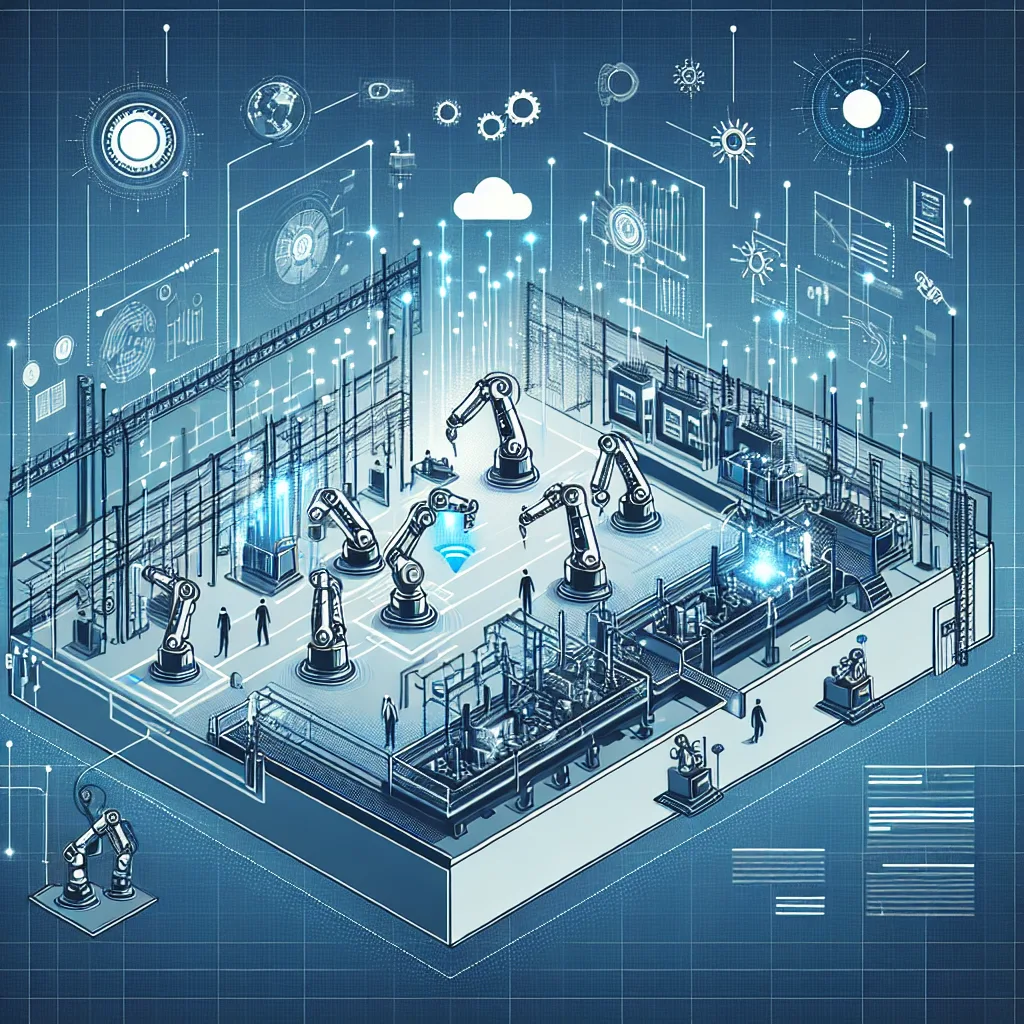
Successful implementation of lights-out manufacturing requires careful planning. It needs phased deployment of M2M technologies. Organizations typically begin with specific manufacturing cells or production lines. They gradually expand as systems prove their reliability. This step-by-step approach reduces risk while building confidence in autonomous manufacturing capabilities.
The transformation process starts with comprehensive assessment of existing manufacturing systems. It identifies opportunities for M2M integration. Machines that already have some control can often be enhanced with connectivity capabilities. Older equipment may require more extensive modifications or replacement.
Training and change management play crucial roles in lights-out manufacturing implementation. These facilities operate without human presence on the production floor. However, they still require skilled technicians and operators. These workers monitor systems remotely and perform maintenance tasks. The role of human workers changes from direct machine operation to system oversight and problem-solving.
Quality Control
Quality control systems are essential components of lights-out manufacturing. AI-powered inspection systems use computer vision and sensor data. They detect defects and variations in product quality. When issues are identified, M2M communication enables immediate corrective actions. This happens without waiting for human intervention.
Quality control systems integrate with manufacturing processes to ensure continuous monitoring and adjustment. Real-time analytics enable dynamic optimization of process parameters. This maintains quality standards while maximizing production efficiency. This approach often achieves more consistent quality than traditional human-supervised processes.
Scalability and Integration Challenges
Scalability is a critical consideration when implementing M2M-enabled lights-out manufacturing. Systems must handle growth in production volume and complexity. They should not require complete infrastructure replacement. Modular architectures enable gradual expansion of capabilities as business needs evolve.
Integration with existing manufacturing systems presents both technical and organizational challenges. Legacy equipment may require retrofitting or replacement to participate in M2M networks. Different machines and systems may use incompatible communication protocols. This requires careful selection of integration technologies.
The supply chain implications of lights-out manufacturing extend beyond the factory floor. Autonomous production systems must coordinate with suppliers, logistics providers, and distribution networks. This maintains smooth operations. M2M communication enables this coordination by sharing production schedules, inventory levels, and delivery requirements.
Remote Monitoring Capabilities
Remote monitoring systems enable centralized oversight of distributed lights-out manufacturing facilities. Operators can monitor multiple production lines or even entire factories from remote control centers. They respond to alerts and coordinate maintenance activities as needed. This approach maximizes the efficiency of human resources while maintaining operational oversight.
Advanced analytics platforms process data from M2M networks. They provide comprehensive visibility into manufacturing performance. Dashboard systems present key performance indicators, production metrics, and equipment status in real-time. This enables quick identification of issues or opportunities for optimization.
Specialized Communication Infrastructure for Dark Factory Operations
M2M sim cards provide the robust connectivity foundation that dark factory environments require for continuous operation. These specialized cards maintain stable connections even in challenging industrial environments. Traditional consumer connectivity solutions fail in these conditions. Using m2m technology, manufacturers can establish reliable communication networks. These support 24/7 production cycles without human intervention.
The lights out manufacturing use case shows how m2m connectivity transforms traditional production facilities. It creates fully autonomous operations. Production equipment talks directly with quality control systems, inventory management platforms, and predictive maintenance tools. This happens through dedicated m2m networks. This smooth integration allows factories to operate efficiently during off-hours. Human oversight is minimal or nonexistent.
Advanced Manufacturing Applications and IoT Integration
IoT and m2m connectivity enable sophisticated smart factory operations. These extend beyond basic functionality. Material handling systems use IoT sim cards to coordinate complex logistics operations. This covers everything from raw material intake to finished product shipping. These systems use real-time data exchange to optimize workflow patterns and minimize production bottlenecks.
Additive manufacturing processes benefit significantly from connectivity across multiple production nodes and quality monitoring systems. The comprehensive iot ecosystem created through m2m networks allows 3D printing operations to run continuously. They maintain precise quality standards. IoT sims support these demanding applications by providing the reliable data transmission necessary for remote monitoring and control.
Modern manufacturing facilities cannot reach their full potential without robust machine-to-machine communication networks. This technology proves ideal for m2m applications where consistent, low-latency data transmission is critical for operational success. The most common m2m uses in lights-out facilities include equipment status monitoring, inventory tracking, and real-time production optimization. These are based on m2m data analytics.
Direct device-to-device communication removes the bottlenecks and latency issues from centralized control systems. M2M sims make this peer-to-peer connectivity possible. Production equipment can make autonomous decisions based on real-time conditions and predetermined operational parameters.
Enhanced Connectivity Through Advanced Communication Networks
Modern lights-out manufacturing relies on smooth communication between devices. This maintains operational continuity without human oversight. M2M networks create connected ecosystems where sensors, controllers, and systems exchange critical data instantly. This connectivity foundation enables factories to operate continuously while maintaining quality standards and production schedules.
The integration of 5G technology changes manufacturing communication. It provides ultra-low latency and high-bandwidth connections essential for real-time decision making. Manufacturing equipment can now transmit diagnostic data, performance metrics, and status updates with millisecond precision. Real-time communication enables immediate responses to production anomalies, equipment failures, or quality deviations. This happens without waiting for human assessment.
Cost Optimization and Operational Efficiency
Lights-out manufacturing significantly reduces the total cost of ownership. It eliminates labor costs during off-hours while maximizing equipment utilization rates. M2M systems continuously monitor energy consumption, material usage, and production efficiency. This optimizes resource allocation. The reduced need for human intervention translates directly into lower operational expenses and improved profit margins.
Industrial technology enables predictive maintenance scheduling. This prevents costly unplanned downtime and extends equipment lifespan. Systems detect wear patterns, vibration anomalies, and performance degradation before failures occur. IoT offers comprehensive monitoring capabilities. It tracks every aspect of production from raw material inventory to finished product quality control.
The principles developed for lights-out manufacturing extend beyond factory floors. They reach into smart city applications where systems manage traffic flow, energy distribution, and public services. This happens without constant human oversight. These same M2M communication protocols enable cities to optimize resource usage and respond to changing conditions.
Frequently Asked Questions
How does M2M technology enable fully autonomous manufacturing processes?
M2M technology enables autonomous manufacturing by creating direct communication channels between machines. This allows them to coordinate operations without human intervention. AI algorithms process real-time data from connected equipment to make operational decisions. They adjust parameters and trigger maintenance actions. This creates self-managing manufacturing processes that can operate continuously without human presence on the factory floor.
What connectivity infrastructure is required for lights-out manufacturing?
Lights-out manufacturing requires robust, reliable communication networks. These must support real-time data exchange between machines. This typically includes wireless networks, industrial ethernet systems, and backup connectivity options. This ensures smooth operation. The infrastructure must integrate various solutions while maintaining low latency and high reliability for critical manufacturing processes.
How do AI and machine learning enhance M2M manufacturing systems?
AI and machine learning enhance M2M systems by analyzing patterns in manufacturing data. They predict equipment failures, optimize production parameters, and identify quality issues before they impact output. These technologies enable predictive maintenance. This reduces downtime through proactive equipment servicing. Machine learning algorithms continuously improve system performance by learning from historical data and operational experience.
What role do IoT devices play in lights-out manufacturing facilities?
IoT devices work with M2M systems by providing comprehensive monitoring of manufacturing environments. This goes beyond direct machine communication. Sensor networks monitor environmental conditions, track material flow, and provide data for analytics platforms. IoT connectivity enables remote monitoring of entire facilities. This allows operators to oversee autonomous manufacturing processes from centralized locations.
How can manufacturers integrate M2M technology with existing systems?
Manufacturers can integrate M2M technology through modular approaches. These enhance existing industrial infrastructure. This involves adding connectivity capabilities to current machines. It implements communication protocols that work with legacy systems. It creates scalable networks that work with both new and existing equipment. The integration process typically follows a phased approach to minimize disruption to ongoing operations.
What are the key differences between traditional and lights-out manufacturing approaches?
Traditional manufacturing relies on human operators for machine control, quality inspection, and coordination between production stages. Lights-out manufacturing uses M2M communication and AI to handle these functions. This creates autonomous manufacturing processes that operate without human presence. This transformation requires reliable communication networks, advanced systems, and comprehensive monitoring to ensure safe and efficient operation.
What makes M2M SIM cards essential for lights-out manufacturing operations?
M2M sim cards provide industrial-grade connectivity that consumer IoT solutions cannot match in demanding manufacturing environments. These specialized cards offer enhanced durability, extended temperature ranges, and guaranteed uptime. Lights out manufacturing facilities require these features. The robust m2m connectivity ensures continuous data transmission between systems even during extended unmanned operation periods.
How does IoT and M2M connectivity support smart factory material handling systems?
Smart factory operations rely on smooth connectivity across all material handling equipment to maintain optimal production flow. IoT sims support guided vehicles, conveyor systems, and robotic sorting equipment through reliable data exchange networks. This comprehensive iot ecosystem enables real-time coordination between multiple handling systems without human intervention.
What specific use case benefits does M2M technology provide for additive manufacturing?
Additive manufacturing represents an ideal use case for m2m applications. The technology needs continuous monitoring and quality control. Using m2m networks, 3D printing systems can adjust parameters, report completion status, and coordinate with post-processing equipment. This level of operation allows additive manufacturing to achieve its full potential in dark factory environments.
How does direct device-to-device communication improve manufacturing efficiency?
Direct device-to-device communication removes communication delays. It reduces dependency on centralized control systems that can become bottlenecks. M2m data flows directly between production equipment. This enables immediate responses to changing conditions and real-time optimization decisions. This streamlined communication approach significantly improves overall manufacturing efficiency and reduces the risk of production interruptions.
How does 5G technology improve lights-out manufacturing operations?
5G technology provides the ultra-low latency and high bandwidth required for real-time communication between manufacturing equipment and control systems. This enhanced connectivity enables instant responses to production changes and equipment status updates. The improved network performance supports more sophisticated industrial technology that can operate reliably without human supervision.
What role does seamless communication between devices play in reducing operational costs?
Smooth communication between devices removes the need for human intervention in routine manufacturing processes. This directly reduces labor costs and human error risks. Systems can coordinate production schedules, material handling, and quality control processes independently. This connectivity significantly lowers the total cost of ownership by maximizing equipment efficiency and minimizing downtime.
How do IoT systems contribute to smart city applications beyond manufacturing?
IoT offers the same monitoring and control capabilities used in lights-out manufacturing to smart city applications. These include traffic management, energy distribution, and waste collection. These systems use real-time communication to optimize resource allocation and respond to changing urban conditions. The reduced need for human intervention in city operations improves service delivery while lowering municipal operating costs.
What makes industrial technology essential for continuous production?
Industrial technology provides the foundation for lights-out manufacturing. It enables equipment to operate independently and make decisions based on real-time data. These systems monitor production parameters, adjust processes, and coordinate with other manufacturing equipment without human oversight. The technology ensures consistent product quality and production rates even during unmanned operation periods.
M2M-enabled lights-out manufacturing transforms industrial operations by creating autonomous production systems. These operate efficiently without human presence. Manufacturers implementing these technologies can achieve unmatched efficiency, quality control, and operational flexibility. They reduce their dependence on human operators for routine production tasks.
Related Articles
M2M for Supply Chain Optimization: End-to-End Visibility
M2M for supply chain optimization complete network visibility changes how businesses monitor and manage their supply chain operations. Traditional suppl...
OEE and M2M: Using Machine Data to Improve Equipment Effectiveness
IIoT platforms provide the foundational infrastructure for collecting data from machines across entire manufacturing facilities. These connected systems...
SCADA vs IoT: How M2M Fits Into Industrial Automation
SCADA systems provide centralized, real-time control with proven reliability for critical industrial processes. They use proprietary protocols and dedic...