
In this article
- M2M systems enable continuous equipment monitoring without human intervention, providing real-time alerts when machines deviate from optimal performance parameters
- Healthcare providers leverage m2m technology for patient monitoring and medical equipment tracking, improving care quality while reducing operational costs
- Predictive maintenance through m2m communication prevents unexpected downtime by identifying potential equipment failures before they occur
- Cellular connectivity and various communication protocols ensure seamless data transmission across industrial, healthcare, and fleet management applications
- M2M deployment in machine monitoring reduces manual inspection costs while enabling remote monitoring and control capabilities
- Security best practices and data privacy measures protect sensitive equipment data throughout the m2m communication network
- M2M Machine Monitoring Fundamentals
- Real-Time Data Collection Systems
- Connectivity and Communication Protocols
- Healthcare Applications of M2M Monitoring
- Predictive Maintenance and Automation
- Deployment Strategies for M2M Systems
- Security Best Practices for M2M Networks
- Frequently Asked Questions
M2M Machine Monitoring Fundamentals
Machine-to-machine communication forms the base of equipment health tracking systems. M2M devices collect sensor data from machinery. They send this information automatically to monitoring platforms. This constant data flow helps organizations track equipment status in real-time. They can respond quickly to potential issues. M2m applications work across many industries. Manufacturing facilities use m2m systems to monitor equipment. Healthcare organizations use m2m solutions for medical devices and patient monitoring systems. Fleet management companies use m2m technology for vehicle health tracking and asset tracking across their operations. The internet of things (IoT) works with m2m systems to create complete monitoring networks. Industrial IoT deployments focus on machine monitoring applications. Reliability and real-time performance are critical requirements here.Core Components of M2M Monitoring
M2M systems need several parts to work well. Sensor arrays collect equipment health metrics. These include temperature, vibration, pressure, and operational speed. Communication modules send this data using various protocol standards. This ensures reliable connectivity. Central processing units analyze incoming data streams. They create maintenance alerts when equipment moves away from normal operating parameters.Real-Time Data Collection Systems
Real-time monitoring capabilities make m2m systems different from traditional equipment maintenance approaches. Sensors monitor equipment health constantly. They capture performance data at very fast intervals. This detailed data collection enables early detection of problems that might show coming equipment failure. M2M sim cards enable reliable data transmission even in challenging industrial environments. Cellular networks provide strong connectivity. This supports real-time data collection across equipment spread over wide areas. The bandwidth requirements for most m2m monitoring applications remain modest. This makes cellular transmission cost-effective for continuous operation. Health indicators tracked by m2m systems include vibration patterns and temperature changes. They also track power consumption levels and operational cycle counts. Manufacturing facilities benefit from this complete health data. It enables better maintenance schedules and maintenance windows.Data Processing and Analysis
Real-time data processing changes raw sensor readings into useful insights. M2m communication protocols help efficient data transmission. Algorithms analyze patterns to identify potential equipment issues. This automated analysis reduces the need for human help in routine monitoring tasks. It ensures critical alerts reach maintenance teams quickly.Connectivity and Communication Protocols
IoT Connectivity Management
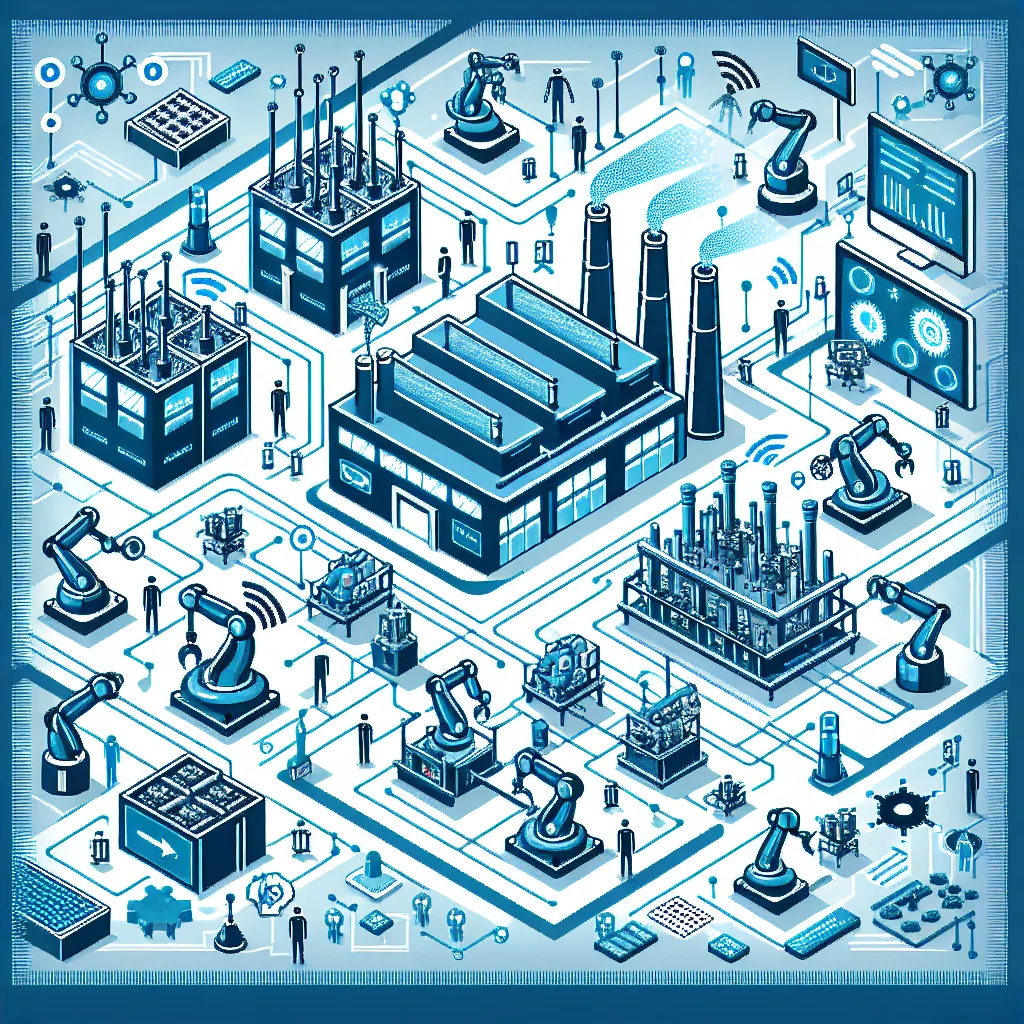
IoT connectivity management platforms make m2m system administration easier across multiple locations and device types. These platforms provide centralized control over device setup, data routing, and security policies. Organizations can monitor connectivity status, manage data usage, and update device settings remotely through these management systems.Healthcare Applications of M2M Monitoring
Healthcare providers increasingly rely on m2m technology for patient monitoring and medical equipment management. Medical devices with m2m communication capabilities continuously monitor patient vital signs. They send health data to healthcare professionals. This continuous monitoring improves patient outcomes. It also reduces the need for constant bedside supervision. Wearable monitoring devices represent a growing healthcare application for m2m technology. Patient monitoring systems use m2m connectivity to track health metrics continuously. They alert medical staff when help becomes necessary. These systems enable early detection of medical emergencies. They also support patient mobility and comfort. Medical equipment monitoring goes beyond patient care. It includes facility management applications. Healthcare organizations use m2m systems to track equipment use, maintenance schedules, and compliance requirements. This complete monitoring helps optimize resource allocation. It ensures regulatory compliance across healthcare facilities.Data Privacy in Healthcare M2M Systems
Healthcare m2m implementations must address strict data privacy requirements while maintaining system functionality. Secure m2m protocols protect sensitive patient information during transmission and storage. Healthcare providers use comprehensive security measures. These prevent unauthorized access to medical data while enabling legitimate monitoring and treatment activities.Predictive Maintenance and Automation
Predictive maintenance represents one of the most valuable applications of m2m machine monitoring technology. M2M systems help organizations predict equipment failures before they happen. They analyze historical performance data and current operational metrics. This predictive approach prevents unexpected downtime. It also reduces maintenance costs compared to reactive repair strategies. Automated maintenance scheduling improves resource allocation. It times maintenance activities based on actual equipment condition rather than arbitrary time intervals. M2M devices constantly evaluate equipment health. They create maintenance alerts when specific wear indicators exceed predetermined limits. Industrial automation systems integrate m2m monitoring data to automate maintenance decisions and maintenance workflows. Equipment tracking capabilities enable precise scheduling of maintenance windows. This minimizes operational disruption. Organizations can optimize maintenance team deployment by prioritizing equipment with the highest risk of failure.Smart Metering and Usage Optimization
Smart metering applications show how m2m systems enable detailed usage tracking and optimization. These systems monitor energy consumption, operational cycles, and performance efficiency. They identify opportunities for improvement. Organizations use this data to optimize equipment operation schedules and reduce operational costs.Deployment Strategies for M2M Systems
Integration with Legacy Systems
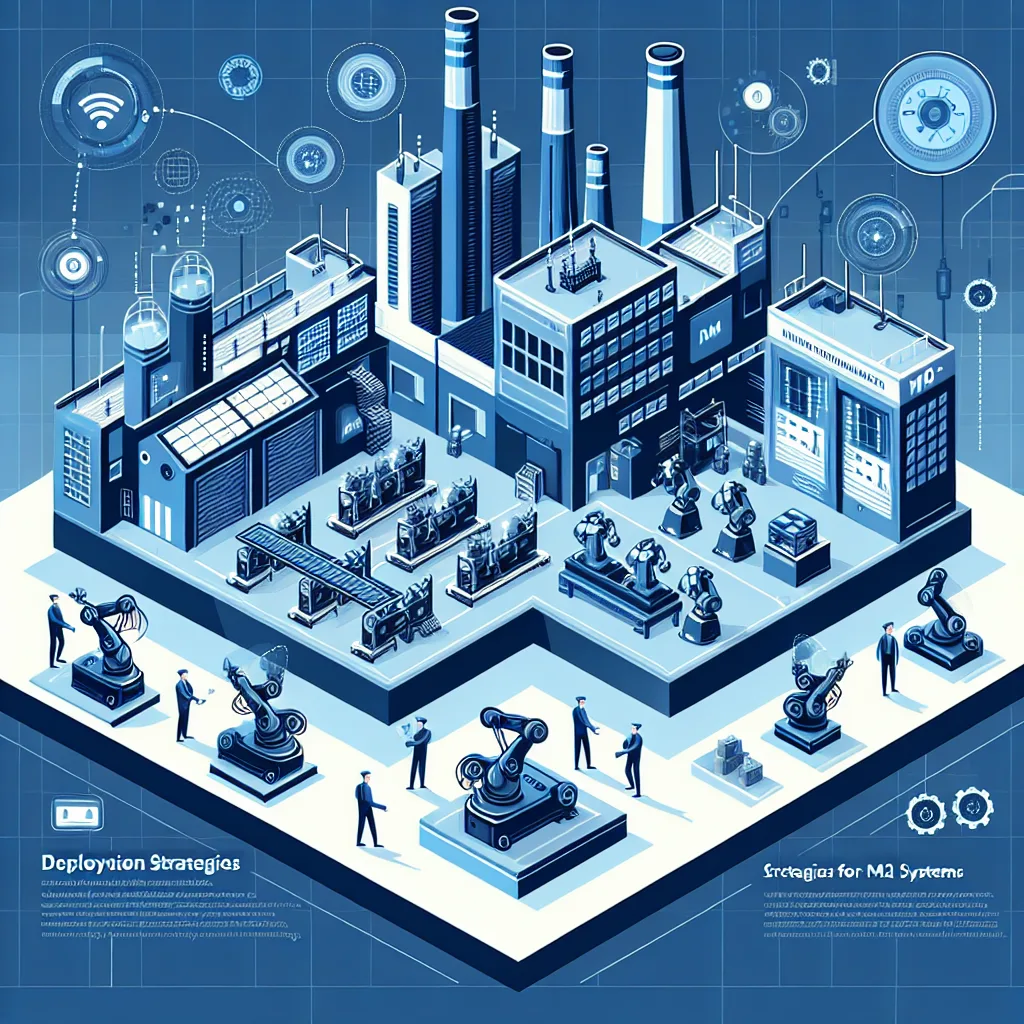
M2M systems must integrate smoothly with existing equipment and management systems to maximize their value. Interoperability standards ensure that new m2m devices can communicate effectively with established industrial control systems. This integration enables organizations to enhance their current monitoring capabilities. They don't need complete system replacement.Security Best Practices for M2M Networks
Secure m2m implementations protect sensitive operational data while maintaining system accessibility for authorized users. Communication networks require encryption protocols. These prevent unauthorized access to equipment data and control systems. Organizations must use comprehensive security measures. These address both data transmission and device access controls. Preventing unauthorized access requires multi-layered security approaches. These include device authentication, network encryption, and access control management. M2M systems should use secure communication protocols. These protect data integrity throughout the transmission process. Regular security audits help identify and address potential vulnerabilities in m2m networks. Traditional communication systems often lack the security features required for industrial m2m applications. M2m protocols include built-in security measures. These protect against common cyber threats while maintaining operational efficiency. Organizations should evaluate security capabilities when selecting m2m communication protocols for critical monitoring applications.Autonomous Monitoring and Data Exchange
M2M systems create environments where devices watch equipment status continuously. They send data to central control systems without human help. These connected devices form intelligent networks. Machines can exchange critical operational information automatically. Industrial facilities use these systems to monitor environmental conditions. These include temperature, humidity, and vibration levels that directly impact equipment performance.
M2m systems work better than traditional monitoring approaches. They collect data automatically. Manufacturing equipment fitted with RFID sensors and wireless communication modules can send performance metrics continuously. Manual inspections are not required. This smooth integration allows operators to make informed decisions about maintenance schedules and resource allocation. They base decisions on real-time equipment health data.
Security and Compatibility in Industrial M2M Networks
Industrial M2M implementations require advanced security protocols. These protect against data breaches that compromise sensitive operational information. Industrial environments commonly use these security measures. They include encrypted data transmission and multi-layer authentication systems. Ensuring compatibility between different equipment manufacturers and communication protocols remains crucial for maintaining network integrity.
M2M technology extends beyond manufacturing to various sectors. These include healthcare monitoring applications. Health devices such as patient monitors automatically send data to healthcare providers for continuous patient surveillance. IoT solutions that include wearable devices enable medical facilities to track patient vital signs remotely. Logistics companies use similar technology for route optimization of their delivery fleets.
Operations managers make decisions based on the data collected through these automated monitoring systems. This improves both efficiency and safety outcomes across multiple industries.
Frequently Asked Questions
How does m2m technology enable real-time equipment monitoring?
M2M systems use sensor networks and cellular connectivity to watch equipment health continuously. They send real-time data to monitoring platforms. These systems operate without human help. They automatically collect performance metrics and create alert notifications when equipment parameters exceed normal operating ranges.
What communication protocols work best for industrial m2m deployments?
Industrial m2m systems typically use cellular protocols for long-range transmission and local mesh networks for sensor connectivity. The choice depends on factors including transmission range, power consumption requirements, and bandwidth needs. Many deployments combine multiple protocol types to optimize system performance across different monitoring requirements.
How do healthcare providers use m2m for patient monitoring?
Healthcare organizations deploy wearable m2m devices and medical equipment monitors to track patient vital signs and equipment status continuously. These systems help with real-time health data collection. They enable remote monitoring capabilities that improve patient care quality and operational efficiency.
What security measures protect m2m monitoring networks?
Secure m2m implementations use encryption protocols, device authentication, and access control systems to protect sensitive operational data. Organizations use security best practices. These include regular security audits and multi-layered protection strategies to prevent unauthorized access to m2m networks and connected equipment.
How does predictive maintenance work with m2m systems?
M2M devices collect continuous equipment health data. This enables predictive maintenance algorithms to identify potential failures before they occur. This approach uses real-time monitoring and historical performance analysis. It optimizes maintenance scheduling and prevents unexpected downtime across industrial operations.
What are the key benefits of using m2m for machine monitoring?
M2M machine monitoring reduces operational costs by automating data collection and analysis processes. Organizations benefit from improved equipment uptime, optimized maintenance scheduling, and early failure detection. These systems also enable remote management capabilities. They reduce the need for on-site inspections while improving overall operational efficiency.
How do M2M systems operate without human supervision?
M2M systems enable devices to collect, process, and send data automatically. They use programmed sensors and communication protocols. These devices can detect equipment problems, environmental changes, and performance metrics continuously. The systems rely on predetermined limits and algorithms. These trigger alerts or corrective actions when necessary.
What types of equipment monitoring benefit from IoT solutions?
Manufacturing machinery, HVAC systems, and medical equipment all benefit significantly from IoT solutions. These provide continuous health monitoring capabilities. Health devices in hospitals automatically alert staff to patient status changes. Industrial sensors monitor environmental conditions like temperature and pressure. These connected devices create complete monitoring networks. They improve operational efficiency and safety.
How do organizations ensure secure data transmission in M2M monitoring systems?
Organizations use advanced security measures. These include encrypted communication channels and authentication protocols to prevent data breaches in M2M networks. Smooth integration of security features occurs during system design. This ensures compatibility across different device types and manufacturers. Companies make informed decisions about security investments. They base these on the data sensitivity and potential risks associated with their monitoring applications.
What industries commonly use M2M technology for equipment monitoring beyond manufacturing?
Healthcare facilities extensively use wearable devices and monitoring equipment. These automatically send data to healthcare providers for patient care. Transportation companies use M2M systems for route optimization and fleet management. Logistics operations rely on RFID technology for tracking shipments and inventory. These diverse applications show how M2M technology enables devices to exchange information across multiple industry sectors.
Machine monitoring with m2m technology delivers measurable improvements in equipment reliability and operational efficiency. Organizations using these systems report significant reductions in unexpected downtime and maintenance costs. The combination of real-time data collection, automated analysis, and predictive maintenance capabilities makes m2m monitoring vital for modern industrial operations. Start by identifying critical equipment that would benefit most from continuous monitoring. Then expand your m2m deployment based on demonstrated value and operational requirements.Related Articles
How M2M Enables Lights-Out Manufacturing
M2M technology changes how factories work. It lets machines talk to each other without people. This creates fully automated production facilities that r...
M2M for Supply Chain Optimization: End-to-End Visibility
M2M for supply chain optimization complete network visibility changes how businesses monitor and manage their supply chain operations. Traditional suppl...
OEE and M2M: Using Machine Data to Improve Equipment Effectiveness
IIoT platforms provide the foundational infrastructure for collecting data from machines across entire manufacturing facilities. These connected systems...