In this article
- Wearable M2M devices enable continuous monitoring of vital signs through wireless sensor technology
- IoT-powered wearables monitor heart rate, blood pressure, body temperature, and respiratory rate in real-time
- Healthcare professionals can remotely monitor patients and receive immediate alerts for critical changes
- These monitoring systems reduce hospital readmissions and enable proactive healthcare interventions
- Advanced sensors in wearable platforms transmit patient data directly to healthcare providers' systems
- The healthcare system benefits from improved patient outcomes and reduced operational costs
Wearable M2M devices track vital signs 24/7. They send health data through wireless networks to doctors. Healthcare teams can respond quickly when patient health changes.
M2M communication works with wearable sensors to create monitoring systems. These track vital signs around the clock. Healthcare providers monitor patients outside hospitals. This helps find health problems early and prevents medical emergencies.
This technology combines IoT connectivity with medical sensors. It creates complete health monitoring solutions. Remote patient monitoring helps manage chronic conditions. It also supports post-surgery care and elderly patient supervision.
- How Wearable M2M Vital Sign Monitoring Works
- IoT Sensors and Wireless Technology
- Medical Devices for Continuous Monitoring
- Healthcare System Integration
- Remote Patient Monitoring Benefits
- Alert Systems and Emergency Response
How Wearable M2M Vital Sign Monitoring Works
Wearable M2M devices monitor vital signs through sensor arrays. These capture health data all the time. Each vital sign monitor has multiple sensors. They track specific health parameters. These include heart rate, blood pressure, body temperature, and breathing rate.
The wearable platform processes this information first. Then it sends it wirelessly to monitoring systems.
M2M communication protocols help these systems work on their own. They send vital data to healthcare professionals. Patients don't need to do anything. When a wearable sensor finds abnormal readings, the system flags the problem right away. It triggers automatic responses. Healthcare professionals monitor these data streams in real-time. This allows quick assessment of patient health.
Sensor Technology Components
Modern wearable sensors use special technology. They use photopletysmography for heart rate monitoring. They use accelerometers for movement tracking. They use thermistors for body temperature measurement.
These sensors work together. They create a complete picture of patient health. Continuous monitoring gives healthcare providers insight into patient wellness trends.
IoT platforms combine multiple sensor types into single wearable solutions. A typical vital sign monitor includes optical sensors for pulse monitoring. It has pressure sensors for blood pressure measurement. It has motion sensors that validate other readings by accounting for physical activity levels.
IoT Sensors and Wireless Technology
IoT technology forms the backbone of modern wearable wireless monitoring systems. These platforms use low-power wireless protocols. They maintain constant connectivity while saving battery life. Healthcare professionals monitor patients all the time. They don't need frequent equipment charging or maintenance.
Wireless sensor networks enable real-time monitoring across multiple patients at once. Each wearable system creates its own data stream. Healthcare providers can monitor vital signs from many patients through central dashboards.
The monitoring system gathers this information. It presents it in formats that help with quick clinical decisions.
Wireless Connectivity Standards
Wearable monitors use different wireless connections. These include Bluetooth Low Energy, Wi-Fi, or cellular connections. They transmit patient data through these networks. The choice depends on monitoring needs, power limits, and coverage requirements. IoT in healthcare needs reliable connectivity. It must maintain data transmission in difficult environments.
Some wearable platforms use multiple wireless technologies. This ensures backup connectivity. If the primary wireless connection fails, the system switches to backup communication methods automatically. This ensures continuous monitoring of vital signs without interruption.
Medical Devices for Continuous Monitoring
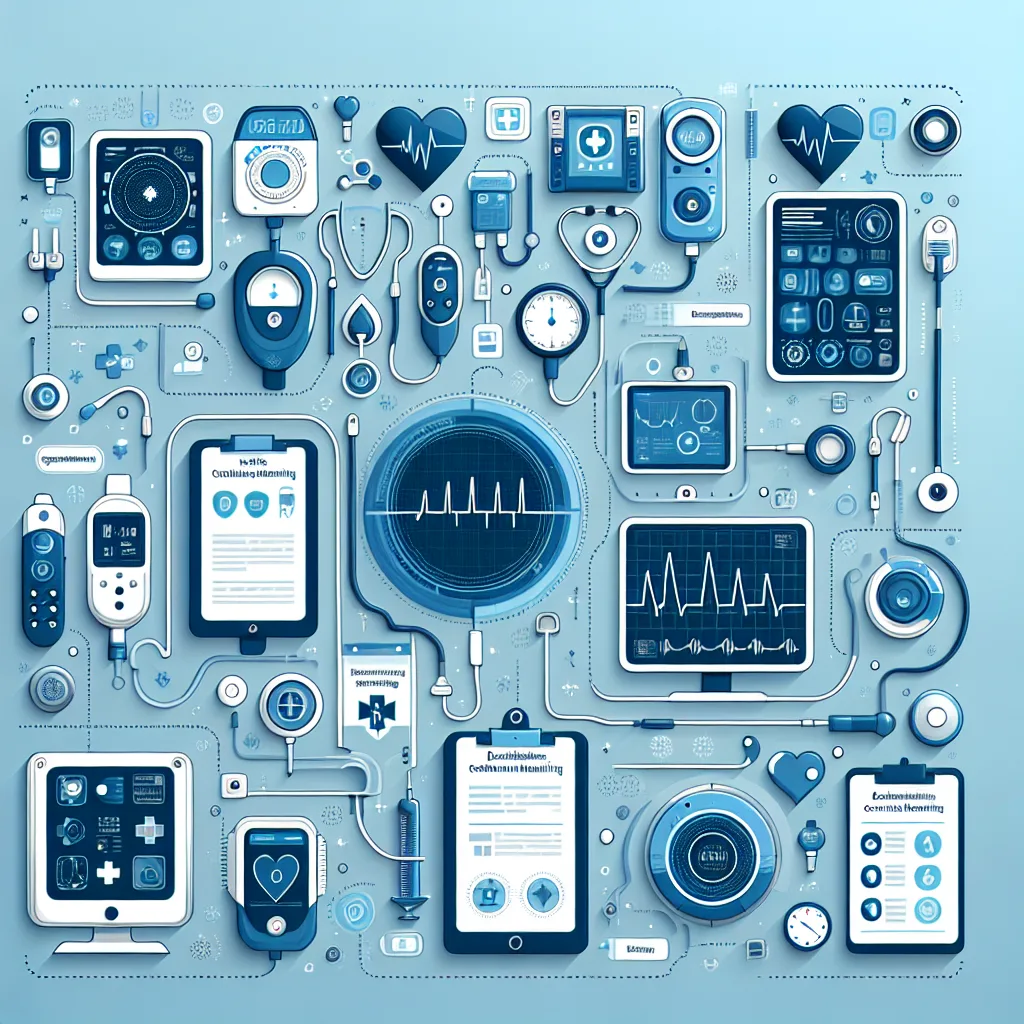
Medical equipment for continuous vital sign monitoring meets strict rules. It delivers hospital-grade accuracy. These wearable sensors go through rigorous testing. This ensures they provide reliable measurements. Healthcare professionals trust these for making treatment decisions.
Monitoring vital signs through wearables requires sensors that stay accurate. They must work despite patient movement, environmental changes, and long wear periods. Signal processing algorithms filter noise from sensor data. This ensures healthcare professionals receive clean, useful information about patient health.
Clinical-Grade Wearable Technology
Healthcare-approved wearables show measurement accuracy equal to traditional medical equipment. These platforms go through clinical validation studies. These compare their readings against gold-standard monitoring equipment used in hospitals.
The wearable technology must detect changes in vital signs with enough sensitivity for medical use.
Continuous vital sign monitoring systems use algorithms that learn patient baselines. They identify small deviations that may show developing health problems. This capability enables early intervention and preventive care strategies. These improve patient outcomes.
Healthcare System Integration
The healthcare system benefits from integrating wearable M2M platforms into existing clinical workflows. These monitoring systems connect directly to electronic health records. They automatically update patient charts with vital sign data.
Healthcare professionals access complete patient information. This includes both clinical visits and continuous home monitoring data.
IoT solutions enable healthcare providers to monitor patients across the entire care continuum. From hospital discharge to home recovery, wearable sensors maintain visibility into patient health status. This continuity of monitoring helps identify complications early. It reduces the risk of emergency readmissions.
Data Integration and Analysis
Medical data from wearable platforms needs analysis tools. These identify patterns and trends in vital signs over time. The monitoring system processes large volumes of sensor data. It presents meaningful insights to healthcare professionals.
Machine learning algorithms identify subtle changes. These may indicate worsening patient conditions.
Patient care teams monitor multiple patients at once. They use central dashboards that display real-time vital sign data. These systems prioritize alerts based on clinical severity. This ensures healthcare professionals focus on patients who need immediate intervention.
Remote Patient Monitoring Benefits
Remote monitoring through wearable platforms changes how healthcare providers manage chronic conditions and post-acute care. Patients stay in comfortable home environments. Healthcare professionals maintain continuous oversight of their health status.
This approach reduces healthcare costs. It also improves patient satisfaction and outcomes.
Wearable monitors enable healthcare providers to detect health problems before they become serious medical emergencies. Early detection of vital sign changes allows for proactive interventions. These prevent hospitalizations and improve long-term health outcomes.
Continuous monitoring provides early warning systems. Traditional periodic checkups cannot match this.
Chronic Disease Management
Patients with chronic conditions benefit from continuous vital sign monitoring using wearable sensors. Heart failure patients monitor heart rate and activity levels. Hypertensive patients track blood pressure trends over time.
This ongoing surveillance helps healthcare professionals adjust treatments. They base decisions on real-world patient data rather than occasional office visits.
Remote healthcare delivery through wearable IoT platforms enables more frequent patient assessments. It doesn't increase clinical workload. Healthcare professionals monitor patients by reviewing vital data trends. They identify concerning patterns that need intervention. This leads to more personalized and effective treatment plans.
Alert Systems and Emergency Response

Alert systems in wearable monitoring platforms detect medical emergencies. They automatically notify healthcare providers and emergency services. When vital signs exceed predetermined thresholds, the wearable system immediately transmits an alert.
Designated healthcare professionals assess the situation. They coordinate appropriate responses.
These monitoring systems tell the difference between true medical emergencies and false alarms. They analyze multiple vital sign parameters at the same time. The alert system considers factors like heart rate, blood pressure, body temperature, and patient activity levels. This determines the severity of detected abnormalities.
Emergency Response Protocols
When wearable sensors detect critical changes in vital signs, the monitoring system follows established emergency response protocols. Healthcare professionals receive immediate notifications with patient data. They can quickly assess whether emergency medical services need deployment.
This rapid response capability can be life-saving. It helps patients experiencing cardiac events, respiratory distress, or other medical crises.
Home monitoring capabilities of wearable platforms provide peace of mind for patients and families. They ensure healthcare providers maintain awareness of patient status. These systems bridge the gap between hospital care and independent living. They enable safe patient transitions across care settings.
Sensors for vital sign measurement have revolutionized wearable M2M technology. They enable continuous data collection from multiple physiological parameters at the same time. These systems for continuous vital sign tracking integrate with existing healthcare infrastructure. They provide complete patient monitoring.
The integration allows patients and healthcare providers to maintain constant communication. This happens through automated data transmission and alert systems.
Modern wearable systems based on IoT architecture deliver accuracy in monitoring heart rate variability and blood oxygen levels. They also monitor other critical parameters. These platforms automatically transmit health data to central monitoring stations. Medical professionals assess patient conditions in real-time there.
The smooth flow of information enables rapid response to medical emergencies. It supports proactive healthcare management.
Physiological Monitoring Capabilities
Today's wearable platforms excel at monitoring activities from sleep patterns to exercise intensity. They track vital signs at the same time. Smart systems with multiple sensor arrays perform glucose monitoring and body temperature monitoring. They also assess respiratory rate without interrupting daily routines.
This complete approach to patient monitoring ensures vital signs remain under constant surveillance. It doesn't compromise mobility or comfort.
The accuracy of vital sign measurements depends on sensor calibration and data processing algorithms. These filter noise and environmental interference. Healthcare services rely on these precise measurements to make critical treatment decisions. They adjust medication dosages remotely.
Monitoring based systems detect subtle changes in a patient's health status. These might otherwise go unnoticed during traditional clinical visits.
Integration with the broader health care system enables wearable platforms to contribute valuable data. This supports population health studies and personalized medicine initiatives. Remote health care delivery becomes more effective when vital signs are monitored continuously. This is better than intermittent clinical appointments.
This shift toward continuous monitoring represents an advancement in health technology. It improves outcomes while reducing healthcare costs through early intervention and prevention strategies.
Modern wearable M2M platforms have revolutionized how healthcare professionals monitor patients' vital signs outside traditional clinical settings. These connected healthcare solutions enable continuous tracking of different vital signs. These include heart rate, blood pressure, oxygen saturation, and body temperature.
They use embedded sensors and wireless communication protocols. Ongoing monitoring capabilities allow healthcare professionals to detect anomalies immediately. They can respond to critical changes in a patient's health status before complications arise.
The expanding market reflects growing demand for real-time health monitoring solutions. These bridge the gap between patients and healthcare professionals. Diagnostic equipment integrates multiple sensors to capture complete health indicators. It transmits this information directly to medical teams through secure M2M networks.
This smooth data flow enables healthcare professionals to maintain oversight of patient care regardless of physical location. This significantly improves the efficiency of remote patient management programs.
Market Growth and Technological Integration
The increasing number of IoT-enabled wearables shows the healthcare industry's shift toward proactive patient monitoring systems. These platforms generate continuous streams of real-time data. This supports evidence-based decision making. It contributes valuable insights to health research initiatives.
Healthcare facilities rely on these integrated monitoring systems to extend their care capabilities beyond traditional boundaries. They maintain clinical accuracy and regulatory compliance.
Specialized wearable sensors target specific health conditions. These include cardiovascular health monitoring, diabetes management, and respiratory function assessment. Each system category addresses unique physiological parameters. These directly impact a patient's health outcomes and long-term prognosis.
The integration of artificial intelligence algorithms with M2M communication protocols enables these platforms to learn individual baseline patterns. They alert medical teams when deviations occur that may indicate developing complications.
Seamless Integration with Healthcare Infrastructure
Modern wearable M2M platforms create a complete system. This enables healthcare providers to monitor patients' vital signs without interrupting daily activities. The continuous data stream flows directly into existing health systems. This allows medical professionals to track trends and identify potential issues before they become critical.
This integration transforms reactive healthcare into proactive patient management.
The patient's health status becomes visible in real-time through secure wireless connections. These transmit biometric data every few seconds. Healthcare providers receive instant alerts when parameters exceed normal ranges. This enables immediate intervention.
This constant monitoring capability proves valuable for patients with chronic conditions who require ongoing surveillance.
Enhanced Patient Compliance and Comfort
Patient adherence improves significantly when wearing the platform feels natural and unobtrusive. Modern sensors weigh less than traditional medical equipment. They provide more complete monitoring capabilities. The lightweight design encourages consistent use. This directly impacts the quality of health data collected.
Healthcare professionals assess the patient's health through continuous data rather than isolated snapshots from periodic visits. This complete view enables more accurate diagnoses and personalized treatment plans. The technology eliminates the need for frequent hospital visits while maintaining the same level of medical oversight.
M2M communication protocols ensure data integrity and security throughout the transmission process. The systems automatically calibrate sensors. They adjust transmission frequency based on the patient's current condition. This intelligent adaptation optimizes battery life while maintaining critical monitoring capabilities when patients need them most.
Frequently Asked Questions
What wearable M2M devices real-time vital signs monitoring system capabilities exist?
Modern wearable M2M platforms can monitor heart rate, blood pressure, body temperature, and respiratory rate continuously. These vital sign monitors use sensors to track multiple health parameters simultaneously and transmit data wirelessly to healthcare professionals for real-time analysis.
How wearable M2M devices real-time vital signs monitoring system works?
The monitoring system uses IoT sensors embedded in wearable platforms to capture vital signs data continuously. This information transmits through wireless networks to healthcare providers who can monitor patients remotely and receive immediate alerts when vital signs indicate potential health problems.
Can wearable M2M devices real-time vital signs monitoring system replace traditional medical devices?
While wearable monitors provide valuable continuous monitoring capabilities, they complement rather than completely replace traditional medical equipment. Healthcare professionals use these platforms for ongoing surveillance, but clinical-grade medical equipment remains necessary for definitive diagnoses and critical care situations.
When wearable M2M devices real-time vital signs monitoring monitor becomes most beneficial?
Continuous monitoring through wearable platforms proves most valuable for chronic disease management, post-surgical recovery, and elderly patient care. The monitoring system enables early detection of health status changes and supports remote patient monitoring programs that reduce hospital readmissions.
Which wearable M2M devices real-time vital signs monitoring system features matter most?
The most important features include accurate sensor technology, reliable wireless connectivity, long battery life, and integration with healthcare system networks. Healthcare providers need wearable platforms that can monitor vital signs consistently and transmit patient data without interruption.
Have wearable M2M devices real-time vital signs monitoring system proven effective?
Clinical studies show that continuous vital sign monitoring through wearable sensors improves patient outcomes and reduces healthcare costs. These monitoring systems enable healthcare professionals to detect changes in patient health status earlier and intervene before conditions become critical emergencies.
How do wearable M2M devices ensure accurate vital sign monitoring?
Wearable platforms use multiple sensors for vital parameter detection and algorithms to filter environmental noise and movement artifacts. The accuracy of vital measurements improves through continuous calibration and machine learning algorithms that adapt to individual patient characteristics. These smart systems cross-reference multiple data points to validate readings and eliminate false positives.
What role does IoT play in wearable health monitoring systems?
Systems based on IoT architecture enable seamless data transmission between wearable platforms and healthcare providers through secure wireless networks. This connectivity allows real-time monitoring of patients' vital signs regardless of their location, supporting remote health care delivery. The IoT framework facilitates automatic alerts when a patient's health status shows concerning changes.
Can wearable devices monitor specialized health parameters beyond basic vital signs?
Wearable platforms support glucose monitoring, body temperature monitoring, and other specialized health measurements through dedicated sensor modules. These systems integrate monitoring activities with standard vital sign tracking to provide complete health data analysis. Healthcare services can customize monitoring based on individual patient needs and medical conditions.
How do wearable M2M devices integrate with existing healthcare systems?
Modern wearable platforms connect directly to the health care system through secure APIs and standardized data formats. This ensures compatibility with electronic health records. This integration enables healthcare providers to access real-time health data and incorporate continuous monitoring results into treatment decisions. The smooth connection between patients and healthcare teams improves care coordination and enables proactive health technology interventions.
How do wearable M2M devices improve patient care quality?
Wearable M2M platforms provide continuous real-time health monitoring. This allows healthcare professionals to track patient's health status remotely. This connected healthcare approach enables early intervention when health indicators show concerning trends. It reduces emergency hospital visits and improves overall treatment outcomes.
What types of vital signs can modern wearable devices monitor?
Diagnostic equipment can track different vital signs including heart rate, blood pressure, blood oxygen levels, body temperature, and sleep patterns. These complete monitoring capabilities support ongoing monitoring of various health conditions while providing healthcare facilities with detailed patient data for treatment optimization.
How does M2M communication enhance remote patient monitoring efficiency?
M2M communication protocols enable automatic transmission of real-time data from wearable platforms directly to healthcare systems without manual intervention. This automation improves the efficiency of remote monitoring programs. It ensures continuous data flow and immediate alerts when patients' vital signs exceed predetermined thresholds.
What role do these devices play in cardiovascular health management?
Wearable M2M platforms provide continuous cardiovascular health monitoring through ECG sensors, heart rate variability tracking, and blood pressure measurement capabilities. The growing number of IoT systems in this sector enables healthcare professionals to detect early signs of cardiac issues. They can adjust treatment protocols based on real-time patient's health data.
How do wearable M2M devices maintain accuracy when monitoring patients' vital signs continuously?
Wearable M2M platforms use multiple sensors and algorithms to cross-validate readings and filter out motion artifacts or environmental interference. The system that enables continuous monitoring employs machine learning to adapt to each patient's baseline measurements and recognize genuine health changes. Signal processing ensures that only clinically relevant data reaches healthcare providers.
What happens if a patient forgets they are wearing the device during daily activities?
The best wearable M2M platforms operate transparently. They require no conscious interaction from patients during normal use. Wearing the system becomes as routine as wearing a watch. Automatic data collection happens in the background. The patient's health monitoring continues seamlessly whether they remember the platform or not. This ensures consistent data collection.
How do these devices integrate with existing health systems in hospitals and clinics?
Wearable M2M platforms connect to health systems through standardized APIs and healthcare protocols like HL7 FHIR. The integration allows real-time patient's health status updates to appear directly in electronic health records and clinical dashboards. Healthcare providers access the same monitoring data through their existing workflows without learning new systems.
Can multiple patients use the same type of wearable M2M device simultaneously?
Healthcare facilities can deploy hundreds of identical wearable platforms at the same time. Each unit maintains unique patient identification and secure data channels. The M2M infrastructure scales to support entire hospital networks while keeping each patient's health data completely separate and secure. Cloud-based management platforms handle equipment provisioning, patient assignment, and data routing automatically.
Wearable M2M devices real-time vital signs monitoring represents healthcare delivery transformation. These systems enable continuous patient surveillance while reducing healthcare costs and improving outcomes. Healthcare professionals can now monitor patients across all care settings, from hospitals to homes. This ensures complete health management through IoT technology and wireless sensor networks.
The integration of these monitoring systems into healthcare workflows creates opportunities for proactive, personalized medical care. This benefits patients, providers, and the broader healthcare system.
Related Articles
Data Privacy in Healthcare M2M: HIPAA Compliance Guide
Healthcare M2M systems change patient care through device connectivity. But they create complex challenges for data privacy. The Health Insurance Portab...
M2M for Drug Supply Chain Tracking and Cold Chain Monitoring
M2M for drug supply chain tracking and cold chain monitoring changes how pharmaceutical companies keep products safe during transport and storage. Tempe...
IoT Medical Device Connectivity: Challenges and Solutions
Healthcare transformation through IoT medical device connectivity challenges and solutions represents a critical evolution in modern medical practice. H...