
In this article
- M2M gateway architecture connecting devices to the cloud enables easy data exchange between devices without human help through multiple communication methods
- Modern gateways work as bridges between devices and cloud platforms. They help with real-time data processing and analytics across many industries
- Key parts include device connection layers, protocol translation, edge processing abilities, and secure cloud interfaces
- Scalability and wireless communication technologies like cellular, Wi-Fi, and LoRaWAN support diverse m2m applications from smart cities to predictive maintenance
- The architecture of iot systems needs strong gateway infrastructure to connect devices and enable machine-to-machine communication
- Real-time data processing at gateway level reduces delays while keeping cloud connectivity for advanced analytics and fleet management
M2M gateway architecture connecting devices to the cloud forms the backbone of modern iot deployments. It enables millions of devices to communicate and exchange data easily. This infrastructure helps machine-to-machine communication without human help. It changes how industries work in smart cities, manufacturing, and transportation.
The growth of m2m architecture has created strong pathways for iot devices to connect with cloud platforms. It also keeps real-time data processing abilities. Organizations using complex m2m systems need reliable and scalable connectivity solutions. These must handle diverse communication protocols and growing device numbers.
- M2M Architecture Fundamentals
- Key Gateway Components and Layers
- Communication Protocols and Technologies
- Cloud Connectivity and Data Exchange
- Real-Time Processing and Edge Computing
- Applications Across Various Industries
- Scalability and Network Management
M2M Architecture Fundamentals
M2m architecture in iot creates the foundation for direct communication between connected devices. The m2m iot architecture has three main layers: device connectivity, gateway processing, and cloud integration. This layered approach lets devices without human help take part in complex data exchange operations.
The difference between iot and m2m lies in scope and complexity. M2m communication focuses on point-to-point communication between specific machines. IoT covers broader ecosystem connectivity. M2m technology serves as part of iot. It provides the basic communication between machines that helps larger iot networks work well.
Modern m2m architecture uses smart gateways that enable machine-to-machine communication. They bridge local area network connections with wide area network infrastructure. These gateways help smooth communication and data flow. They ensure that many devices can join automated processes across communication networks.
Key Gateway Components and Layers
Gateway infrastructure includes several key parts that enable effective m2m communication. The device interface layer manages connections to local m2m devices. It uses various communication technologies like Ethernet, serial connections, and wireless protocols. This layer ensures that devices can connect no matter their native communication method.
The protocol translation layer converts data between different communication protocols. This enables smooth communication between devices using different standards. This part handles message queuing telemetry transport (MQTT), HTTP, CoAP, and proprietary protocols. It ensures devices work together within the m2m network.
Processing and analytics abilities within gateways perform real-time data analysis and filtering. This happens before transmission to cloud platforms. This local processing reduces bandwidth needs. It also enables immediate responses to critical events. This supports applications like predictive maintenance and fleet management systems.
Security and Authentication Layer
Modern gateways include strong security measures. These protect data exchange between devices and cloud services. Authentication protocols verify device identity. Encryption secures data transmission channels. This security layer becomes very important when connecting iot devices across public communication networks.
Communication Protocols and Technologies
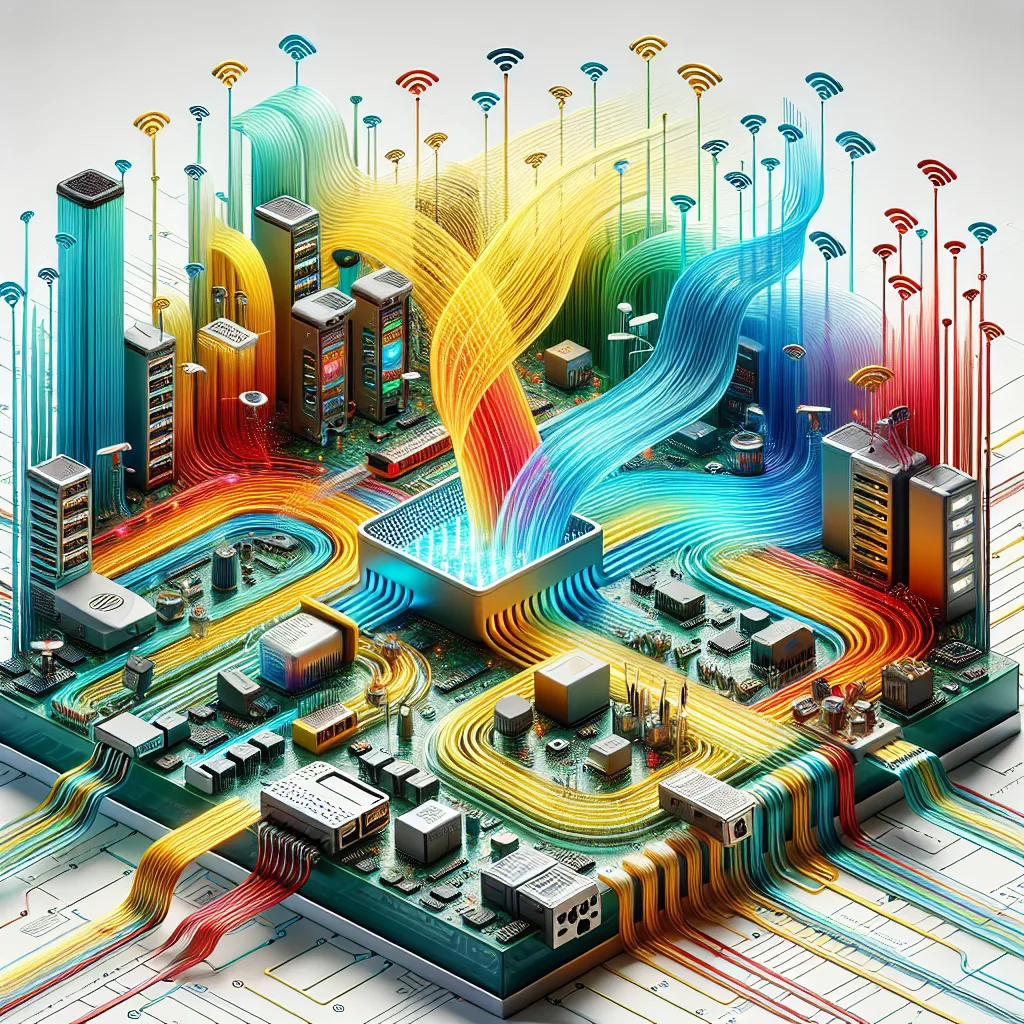
M2m applications rely on diverse communication protocols to connect devices across different network types. Wireless technologies lead modern deployments. These include cellular (4G/5G), Wi-Fi, Bluetooth, and low-power wide area network protocols like LoRaWAN and NB-IoT.
Each protocol serves specific use cases within the iot ecosystem. Cellular connectivity provides wide coverage for mobile m2m applications. Examples include vehicle tracking and remote monitoring. Wi-Fi offers high-bandwidth connectivity for stationary devices that need frequent data exchange. Low-power protocols support battery-operated sensors that transmit small data packets rarely.
Protocol selection greatly impacts m2m system performance and scalability. Gateways must support multiple communication protocols at the same time. This accommodates diverse device types while maintaining efficient data exchange between devices throughout the network.
Cloud Connectivity and Data Exchange
Cloud connectivity transforms raw sensor data into useful insights through centralized processing and storage. Gateways establish secure connections to cloud platforms using standard internet protocols. This enables real-time data transmission and two-way communication for device control and configuration updates.
The exchange of data between devices and cloud services follows structured patterns. These are optimized for different m2m applications. Time-series data from sensors requires different handling than event-driven alerts or configuration commands. Gateways buffer and prioritize data transmission based on application needs and network conditions.
Cloud platforms provide advanced analytics abilities. These transform raw device data into business intelligence. Machine learning algorithms analyze historical trends to enable predictive maintenance. Real-time dashboards provide operational visibility across distributed m2m deployments.
Data Routing and Quality of Service
Modern gateways use routing algorithms that optimize data paths. These are based on network conditions, data priority, and cost considerations. Quality of service mechanisms ensure critical real-time data gets transmission priority over less urgent information.
Real-Time Processing and Edge Computing
Real-time processing abilities at the gateway level reduce delays for time-sensitive m2m applications. Edge computing for M2M systems enables immediate response to critical events. This happens without waiting for cloud-based processing. It supports applications requiring very fast response times.
Local analytics processing filters and combines data before cloud transmission. This reduces bandwidth costs while maintaining data quality. This approach proves particularly valuable for iot applications generating high-volume sensor data. Transmitting every data point becomes costly.
The integration of fog computing capabilities extends processing power closer to connected devices. It maintains cloud connectivity for complex analytics. This distributed approach optimizes the balance between local processing speed and cloud-based analytical power.
Applications Across Various Industries
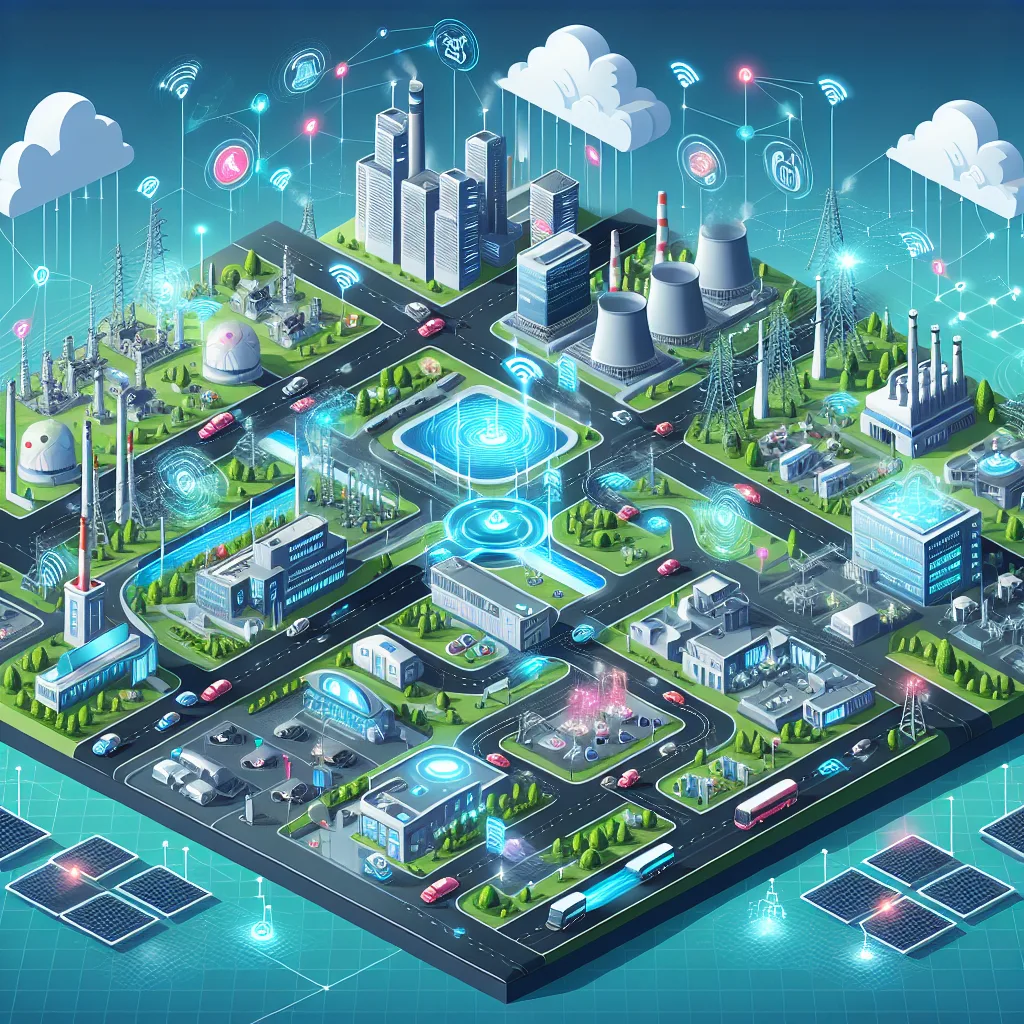
Smart cities use m2m gateway architecture to connect diverse urban infrastructure systems. Traffic management systems use real-time data from connected sensors to optimize signal timing. Environmental monitoring networks track air quality and noise levels. These applications show how iot technology transforms urban planning and management.
Industrial iot applications use gateway infrastructure to enable predictive maintenance programs. These prevent equipment failures before they occur. Manufacturing systems monitor machine performance continuously. They identify patterns that indicate upcoming maintenance needs. This approach reduces downtime while optimizing maintenance schedules.
Fleet management systems show mobile m2m applications that require reliable gateway connectivity across wide areas. Vehicles equipped with iot devices transmit location, performance, and diagnostic data to central management systems. This enables route optimization and proactive maintenance scheduling.
Healthcare and Environmental Monitoring
Healthcare iot applications use gateway architecture to connect patient monitoring devices with electronic health record systems. Remote patient monitoring reduces hospital visits. It enables continuous health tracking through wearable devices and home-based sensors.
Scalability and Network Management
Scalability represents a critical design consideration for m2m gateway architecture connecting devices to the cloud. Designing scalable M2M systems requires careful planning of network design, protocol selection, and processing capacity. This accommodates growth in connected device populations.
Modern gateway architectures support horizontal scaling through clustered deployments. These distribute processing load across multiple gateway instances. This approach maintains performance as device populations grow. It provides backup for critical applications requiring high availability.
Network management tools monitor gateway performance and device connectivity status. These provide administrators with visibility into system health and usage patterns. Automated provisioning systems streamline the addition of new devices. They maintain security and configuration consistency across the m2m network.
The potential of m2m technology continues expanding as gateway architectures evolve. They support emerging applications and communication technologies. Decentralized M2M networks represent the next evolution. They reduce dependence on centralized infrastructure while maintaining robust cloud connectivity.
Protocol Translation and Communication Standards
Modern M2M gateways serve as smart bridges. They enable efficient communication between diverse industrial devices and cloud platforms. The gateway architecture helps communication across multiple protocols. This ensures that different IoT devices can easily exchange data regardless of their native communication standards. This protocol translation ability is critical for creating unified networks. Various IoT sensors, actuators, and controllers work together smoothly.
The constrained application protocol (CoAP) has emerged as a basic standard for resource-limited devices in M2M environments. Gateway systems use CoAP alongside traditional protocols to optimize bandwidth usage and reduce power consumption. This approach enables devices to interact efficiently. It maintains compatibility with existing infrastructure and cloud services.
Network Topology and Device Integration
Gateway architecture supports multiple network types. These include M2M LAN configurations that connect local device clusters before transmitting combined data to cloud platforms. This hierarchical approach is also known as M2M communication. It reduces network congestion and improves system reliability. The M2M platform processes and filters data at the edge. It sends only relevant information to cloud-based IoT applications and services.
Effective M2M architecture in IoT systems requires careful consideration of how devices communicate within the local network before cloud transmission. The gateway acts as a central hub where M2M integration occurs. This enables devices from different manufacturers and protocols to work together effectively. This communication allows for real-time decision-making at the edge while maintaining connectivity to broader IoT ecosystems.
The gateway's role in enabling devices extends beyond simple data forwarding. It includes smart processing and analysis abilities. When IoT connects multiple device types through a single gateway, the system can relate data streams and trigger automated responses. M2M communication optimizes network performance by reducing unnecessary cloud transmissions. It processes routine operations locally. M2M in IoT enables sophisticated automation scenarios that respond to changing conditions in real-time.
Advanced gateway architectures include key parts. These are security modules, data preprocessing engines, and protocol converters. They handle data between devices without human help. These systems support diverse communication methods. This ensures that legacy equipment can participate in modern IoT deployments alongside advanced sensors and actuators.
Gateway Communication Protocols and Standards
IoT grows rapidly across industries. This requires gateways that support multiple communication forms to ensure easy device integration. Modern M2M gateways must handle diverse protocols including Zigbee, LoRaWAN, Bluetooth, and cellular technologies. These protocols enable different device types to transmit data efficiently through the gateway to cloud platforms.
The gateway architecture serves as the critical bridge connecting devices and users through standardized communication channels. Each protocol layer within the gateway processes incoming data streams. It converts them into formats compatible with cloud services. This multi-protocol support ensures that legacy devices can operate alongside newer IoT implementations. This is done without requiring complete infrastructure replacement.
Security Framework Integration
IoT involves massive data exchanges that demand strong security measures at the gateway level. M2M gateways use encryption, authentication, and access control mechanisms. These protect data transmission from edge devices to cloud endpoints. These security protocols operate continuously. They monitor traffic patterns and block unauthorized access attempts.
The gateway connects to the network via secure tunneling protocols. These establish encrypted communication channels with cloud services. This approach protects sensitive industrial data, customer information, and operational parameters during transmission. Advanced gateways also provide local security processing. This reduces delays and ensures real-time threat detection abilities.
Gateway architecture components work together. They form the foundation for scalable IoT deployments across manufacturing, healthcare, and smart city applications. The modular design allows organizations to customize security policies, data processing rules, and communication protocols. These are based on specific operational requirements. This flexibility enables gateways to adapt to evolving security standards and emerging IoT technologies.
Frequently Asked Questions
Has M2M gateway architecture connecting devices to the cloud changed over time?
Yes, m2m architecture has evolved significantly from simple point-to-point connections to sophisticated multi-protocol gateways. These support real-time data processing and analytics. Modern architectures include edge computing abilities and support diverse iot applications across various industries. This enables more efficient machine-to-machine communication without human help.
Why choose M2M gateway architecture for connecting devices to the cloud?
M2m gateway architecture provides protocol translation, security, and local processing abilities. Direct device-to-cloud connections cannot offer these. Gateways help data exchange between devices using different communication protocols. They also enable real-time processing for time-sensitive m2m applications like predictive maintenance and fleet management.
How do gateways enable scalability in M2M systems?
Gateways support scalability by managing local device connections efficiently. They reduce cloud bandwidth requirements through edge processing. They enable hierarchical network architectures. This approach allows m2m systems to connect many devices while maintaining performance. It supports growth from small deployments to enterprise-scale iot networks across smart cities and industrial applications.
What communication protocols do M2M gateways typically support?
Modern gateways support multiple wireless and wired communication protocols. These include cellular (4G/5G), Wi-Fi, Ethernet, LoRaWAN, and NB-IoT. This multi-protocol support enables smooth communication between diverse iot devices. It helps data exchange through the most appropriate communication technologies for each application scenario.
How do M2M gateways handle real-time data processing?
Gateways process real-time data locally through edge computing abilities. They filter and analyze sensor information before cloud transmission. This approach reduces delays for critical m2m communication. It enables immediate responses to events requiring human help or automated actions. This supports applications like industrial monitoring and smart cities infrastructure.
What are the key differences between M2M and IoT architecture?
The differences between m2m and iot lie mainly in scope and connectivity patterns. M2m focuses on direct communication between specific machines. It often uses point-to-point or area network connections. IoT covers broader ecosystem connectivity. It integrates m2m technology with cloud platforms, analytics, and diverse iot applications. This creates comprehensive connected solutions across various industries.
How does M2M gateway architecture handle communication between different device types?
M2M gateway architecture uses protocol translation and standardization. This enables devices to exchange data across different communication standards. The gateway serves as a universal translator. It converts proprietary protocols into common formats that various IoT devices can understand. This approach ensures that enabling devices from different manufacturers can work together easily within the same network infrastructure.
What are the key components required for effective M2M integration in gateway systems?
Key components include protocol converters, security processors, data aggregation engines, and cloud connectivity modules. These work together to help communication between edge devices and remote systems. These components enable efficient communication by preprocessing data locally and managing device authentication. The architecture also includes buffer management systems. These handle temporary disconnections and ensure reliable data transmission.
How does gateway architecture optimize communication for different IoT applications?
Gateway architecture optimizes performance by using smart routing algorithms. These analyze data patterns and prioritize critical communications based on application requirements. The system adapts communication protocols and frequency based on the specific needs of different IoT deployments. These may involve real-time monitoring, batch processing, or event-driven responses. This adaptive approach ensures that communication allows for optimal resource use while maintaining service quality across various IoT use cases.
What role does local processing play in M2M gateway communication?
Local processing enables gateways to handle routine operations and filtering without requiring constant cloud connectivity. This reduces delays and bandwidth consumption. The gateway can execute predefined rules and algorithms to process sensor data, detect problems, and trigger immediate responses when necessary. This edge computing ability ensures that devices to interact effectively even during network disruptions. It maintains the ability to synchronize with cloud platforms when connectivity is restored.
How do M2M gateways handle multiple communication forms simultaneously?
M2M gateways use multi-radio architectures that support various communication forms. These include cellular, Wi-Fi, and short-range protocols at the same time. The gateway's protocol stack manages data routing. It ensures each connected device can transmit through its optimal communication channel. This approach maximizes network efficiency while maintaining reliable connectivity for all connected devices and users.
What role does the gateway play in connecting devices and users to cloud services?
The gateway acts as the central hub that connects to the network via multiple pathways. This enables smooth data flow between edge devices and cloud platforms. IoT involves complex data processing requirements that gateways handle through local computing abilities. They forward relevant information to cloud services. This architecture reduces bandwidth costs and improves response times for critical applications.
Why are M2M gateways considered essential for IoT infrastructure?
M2M gateways serve as the critical part forming the foundation of modern IoT deployments. They provide protocol translation, data aggregation, and edge processing abilities. IoT grows across industries because gateways enable legacy equipment integration with modern cloud services. This is done without requiring expensive device replacements. The gateway architecture ensures reliable data transmission while maintaining security and performance standards.
How do gateways manage data processing at the edge?
Gateway architecture includes embedded processing units that filter, combine, and analyze data locally before transmission to cloud services. This edge computing approach reduces the volume of data that connects to the network via expensive cellular or satellite links. Local processing also enables real-time decision making for critical applications. Network delays could impact operational efficiency.
M2M gateway architecture connecting devices to the cloud continues evolving as organizations demand more sophisticated connectivity solutions. Success requires careful consideration of protocol requirements, scalability needs, and application-specific performance demands. Understanding fundamental M2M communication principles provides the foundation for implementing effective gateway solutions. These enable robust machine-to-machine communication while supporting future growth and technological advancement.
Related Articles
Digital Twins and M2M: Creating Virtual Replicas of Physical Assets
How to Build an M2M Data Pipeline: From Sensor to Dashboard
Building an IoT data pipeline for M2M communication requires establishing a strong streaming pipeline architecture. This forms the foundation of your en...
Multi-Protocol Gateways for M2M Communication
Industrial automation leaders like Mitsubishi and Omron have embraced multi-protocol gateway technology. They use it to bridge legacy systems with moder...