
In this article
- M2M focuses on direct point-to-point communication between devices without human intervention
- IoT encompasses broader connectivity, cloud-based analytics, and network-wide device interactions
- M2M systems typically use cellular or wire connections for specific automation tasks
- IoT leverages multiple connectivity options and advanced analytics for comprehensive solutions
- Understanding the difference helps businesses choose the right technology for their specific use cases
- Both technologies operate without human oversight but serve different scalability and integration needs
- Understanding M2M Technology
- Exploring IoT Systems
- Key Differences Between M2M and IoT
- Connectivity and Network Architecture
- Real-World Applications and Use Cases
- Choosing the Right Solution
Understanding M2M Technology
M2M technology enables direct machine-to-machine communication between devices through dedicated connections. This approach focuses on point-to-point communication. One device sends data directly to another device or system. It doesn't require complex network infrastructure. M2M systems connect specific devices through wired or wireless links to automate processes. A typical M2M system includes three parts. First, a sensor that collects data. Second, a communication module that transmits information. Third, an actuator or control system that responds to the received data. These systems operate without human oversight. This makes them ideal for industrial automation and telemetry applications. M2M devices typically connect through cellular networks, ethernet cables, or dedicated wireless frequencies. The communication remains focused on specific tasks. Examples include monitoring equipment status or controlling manufacturing processes. This targeted approach makes M2M solutions reliable and cost-effective for applications requiring consistent, direct device interaction.M2M System Components
Every M2M system contains three essential elements. These are data collection devices, communication infrastructure, and response mechanisms. The sensors, networks, and actuators work together to create automated workflows. These workflows respond to environmental changes or operational triggers without requiring human intervention.Exploring IoT Systems
IoT represents a comprehensive ecosystem. In this system, multiple devices connect to networks and share data through cloud-based platforms. The internet of things extends beyond simple point-to-point connections. It creates networks that enable advanced analytics and complex decision-making processes. IoT devices collect data from various sources. They transmit this information to centralized platforms. Analytics engines process the information on these platforms. This approach allows for pattern recognition, predictive maintenance, and real-time optimization across entire systems. IoT solutions integrate multiple connectivity options. These include cellular, wireless, and ethernet connections. The scalability of IoT systems distinguishes them from traditional M2M approaches. Instead of connecting individual devices for specific tasks, IoT creates interconnected networks. Smart devices communicate with multiple endpoints in these networks. This architecture enables comprehensive monitoring and control across facilities, cities, or global operations.IoT Platform Architecture
Modern IoT platforms combine device management, data processing, and analytics capabilities in unified systems. These platforms handle connectivity across diverse device types. They provide tools for data visualization and automated responses. The cloud-based nature of IoT platforms enables remote management and scalable deployments without geographic limitations.Key Differences Between M2M and IoT
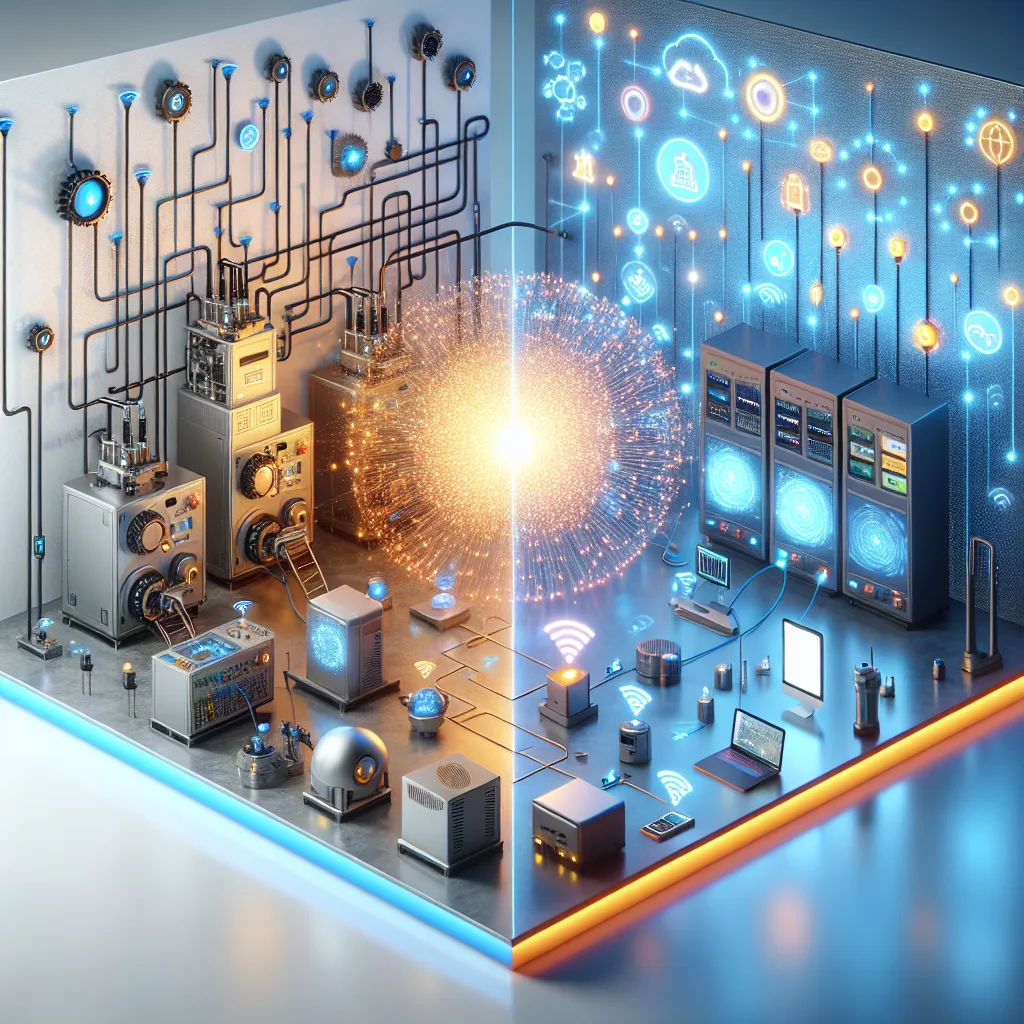
Scalability and Integration
Scalability represents another key difference between these technologies. M2M systems typically connect limited numbers of devices for specific functions. IoT architectures support thousands of connected devices across multiple locations. The architecture differences determine how easily each approach scales to meet growing connectivity needs.Connectivity and Network Architecture
The network requirements for M2M and IoT differ significantly. They differ in complexity and scope. M2M communication typically relies on cellular networks or dedicated wire connections between specific devices. These point-to-point connections prioritize reliability and simplicity over advanced networking features. IoT connectivity encompasses multiple technologies working together. These technologies connect devices to broader networks. Wireless networks, cellular connections, and ethernet links all contribute to IoT architecture. This diverse connectivity approach enables IoT devices to communicate through the most appropriate network for each specific situation. M2M networks focus on efficient data transmission between predetermined endpoints. The communication protocols remain straightforward. They emphasize reliable delivery over complex routing or analytics integration. This approach reduces costs and simplifies deployment for applications requiring basic automation. IoT networks must handle diverse device types, varying data volumes, and complex routing requirements. The network architecture includes edge computing capabilities, cloud integration, and support for multiple wireless technologies. This comprehensive approach enables sophisticated IoT applications. However, it requires more complex infrastructure management.Wireless vs Wired Connectivity
Both M2M and IoT systems utilize wireless and wired connections. However, their implementation strategies differ. Choosing between wired and wireless options depends on specific application requirements, environmental factors, and scalability needs.Real-World Applications and Use Cases
M2M technology powers applications requiring direct device communication for specific automation tasks. Industrial machinery monitoring, fleet management systems, and utility infrastructure represent common M2M deployments. These systems focus on collecting data from sensors. They trigger automated responses through actuators or control systems. Smart city infrastructure often combines M2M and IoT technologies. This creates comprehensive management systems. Traffic monitoring, waste management, and energy distribution systems use M2M communication for critical control functions. They leverage IoT platforms for citywide analytics and optimization. Industrial facilities implement both approaches. This depends on specific operational needs. Manufacturing equipment may use M2M connections for safety-critical communications. The same equipment participates in broader IoT systems for production optimization and predictive maintenance. This hybrid approach maximizes the benefits of both technologies. IoT applications excel in scenarios requiring complex data analysis and multi-device coordination. Smart homes integrate multiple connected devices through IoT platforms. These platforms enable centralized control and automation. Healthcare monitoring systems use IoT connectivity to collect patient data from various devices. They provide comprehensive health analytics.Industry-Specific Applications
Different industries favor M2M or IoT solutions based on their operational requirements. Manufacturing often relies on M2M technology for equipment control and safety systems. Retail operations prefer IoT solutions for inventory management and customer analytics. Understanding M2M communication principles helps identify which approach best serves specific industry needs.Choosing the Right Solution
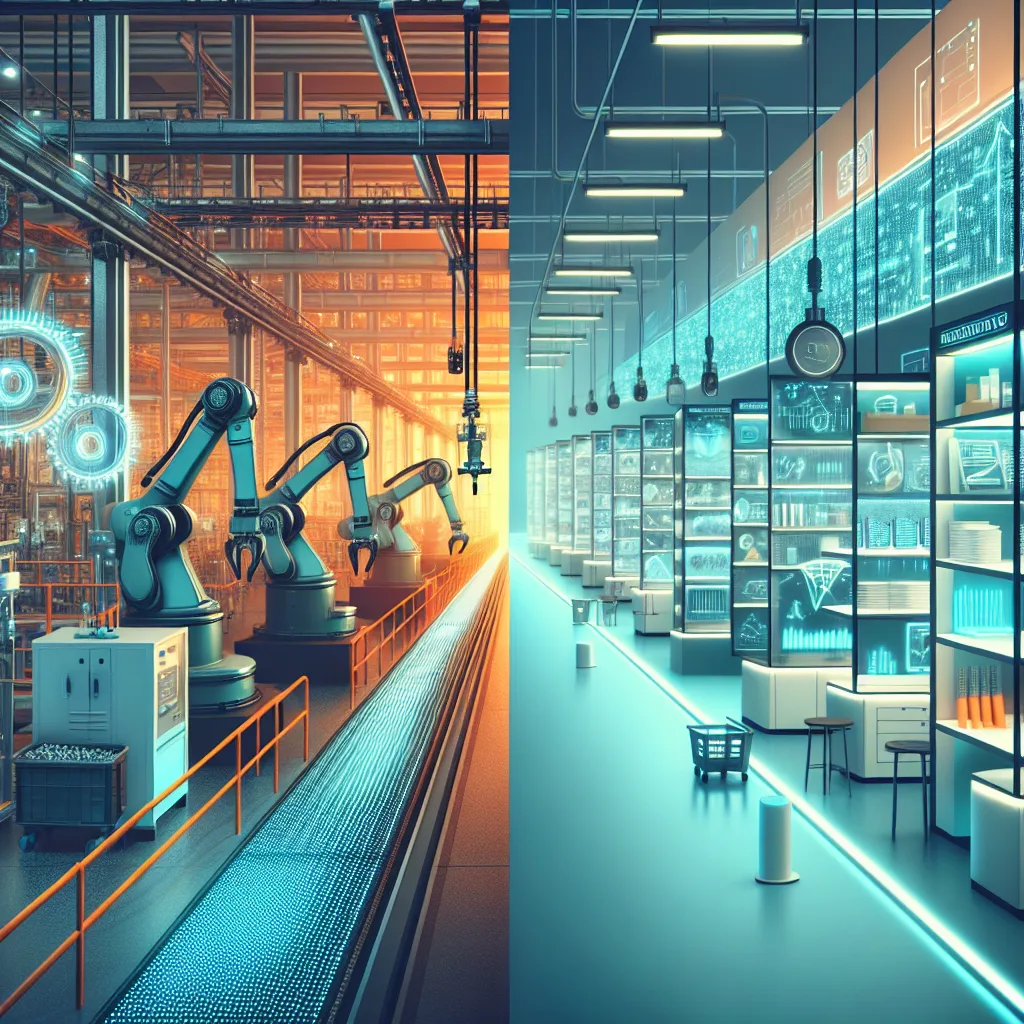
M2M systems use dedicated point-to-point connections. These often work through cellular or satellite networks. The internet of things relies on IP-based networks that enable broader connectivity. This distinction shapes how devices communicate and what services they can access.
Integration and Scalability Considerations
When comparing M2M vs IoT implementations, scalability becomes a critical factor. M2M technology enables devices to communicate efficiently within closed systems. This makes it ideal for industrial applications where reliability trumps flexibility. IoT builds upon M2M foundations by adding internet connectivity. This allows devices to leverage cloud platforms for advanced analytics and remote management.
The key difference between M2M and IoT architectures lies in their data handling approaches. M2M systems typically process information locally or send it to dedicated servers. IoT devices are connected to the internet and can access distributed cloud services. This enables IoT implementations to incorporate M2M protocols while extending functionality. They do this through web-based applications and third-party integrations.
Security and Implementation Challenges
IoT security presents more complex challenges than traditional M2M deployments. This is due to increased attack surfaces and internet exposure. The IoT stack includes multiple layers. These range from sensors and actuators to cloud platforms. Each layer requires specific security measures. Organizations must address these differences between the two approaches when planning their connected device strategies.
Industrial monitoring systems show M2M technology in action. These systems transmit sensor data directly to control centers without internet connectivity. These systems facilitate reliable exchange of data between specific endpoints. This shows how M2M serves as a subset of IoT rather than a competing technology. The evolution from M2M to IoT represents an expansion of connectivity options. Many IoT implementations still incorporate M2M protocols as part of the iot ecosystem.
Understanding the Relationship Between M2M and IoT
The role of m2m in iot architecture reveals how these technologies complement rather than compete with each other. M2m focuses on direct device-to-device communication within specific industrial applications. Iot extends these concepts to create broader interconnected ecosystems. Legacy m2m systems within manufacturing plants and utility networks now serve as foundational elements for larger IoT implementations.
The evolution of m2m technology directly paved the way for modern IoT solutions. It did this by establishing reliable protocols for automated communication. M2m operates through dedicated networks like cellular or satellite connections. Iot expands connectivity options to include Wi-Fi, Bluetooth, and internet-based protocols. This progression makes iot more accessible to consumer applications. It maintains the industrial robustness that characterizes traditional M2M systems.
Technical Infrastructure Differences
M2m typically operates within specific vertical applications. In these applications, devices communicate within closed networks. Iot offers broader integration possibilities through cloud platforms and data analytics services. The concepts of m2m focus primarily on sensor data collection and automated responses. Iot adds layers of artificial intelligence and machine learning capabilities. Modern IoT protocols like MQTT and CoAP enable more efficient transmission of data over the internet. This is compared to traditional M2M communication methods.
When examining how devices connect in each paradigm, M2M implementations typically involve point-to-point or hub-and-spoke architectures. In contrast, iot builds on mesh networks and cloud connectivity. These allow for more complex data routing and processing. This difference means that iot can handle larger volumes of diverse data sources. M2M excels in specialized, mission-critical applications.
While IoT represents a subset of m2m technology in terms of direct device communication, it encompasses much broader functionality. This is through its integration capabilities. M2m might focus on a single factory floor's sensor network. IoT extends this concept to include supply chain management, predictive maintenance, and real-time analytics across multiple locations.
Frequently Asked Questions
What's the main difference between M2M and IoT?
M2M focuses on direct point-to-point communication between specific devices. IoT creates comprehensive networks that connect multiple devices through cloud-based platforms. M2M systems typically handle targeted automation tasks. IoT solutions enable complex analytics and multi-device coordination across broader networks.
Can M2M and IoT work together in the same system?
Yes, many modern deployments combine M2M and IoT technologies to optimize performance. Critical control functions often use M2M communication for reliability. IoT platforms handle broader data analytics and system optimization. This hybrid approach maximizes the benefits of both connectivity methods.
Which technology is better for industrial applications?
Industrial applications benefit from both M2M and IoT depending on specific requirements. M2M technology excels for safety-critical communications and equipment control. IoT solutions provide comprehensive monitoring and predictive maintenance capabilities. Many facilities implement both technologies for different operational needs.
How do connectivity options differ between M2M and IoT?
M2M systems typically rely on cellular networks or dedicated wire connections for point-to-point communication. IoT deployments use diverse connectivity options. These include wireless networks, cellular connections, and ethernet links to connect devices to broader networks and cloud-based platforms.
What are the scalability differences between M2M and IoT?
M2M systems connect limited numbers of devices for specific functions. This makes them suitable for targeted applications. IoT architectures support thousands of connected devices across multiple locations. This provides greater scalability for organizations planning extensive connectivity deployments.
Do both M2M and IoT operate without human intervention?
Both M2M and IoT systems operate without human oversight once deployed. M2M devices communicate directly through sensor and actuator networks. IoT systems use automated analytics and cloud-based platforms to make decisions and trigger responses. Neither requires human intervention.
What are the main differences between IoT and M2M technologies?
The primary differences between iot and m2m center on connectivity scope and data processing approaches. IoT vs M2M comparisons reveal that M2M focuses on direct device-to-device communication. IoT encompasses broader internet-based connectivity. This includes cloud services and web applications. M2M operates as part of the iot ecosystem. It provides the foundational communication protocols that IoT systems build upon.
How do IoT and M2M systems handle data differently?
When examining iot vs traditional M2M approaches, data handling represents a key distinction. M2M systems typically process data locally or transmit it to dedicated servers. Internet of things implementations leverage distributed cloud platforms for storage and analytics. This difference enables IoT systems to offer more sophisticated data processing and remote accessibility compared to standalone M2M solutions.
Can existing M2M systems be upgraded to IoT platforms?
Many organizations successfully transition existing M2M infrastructure to full IoT implementations. They do this by adding internet connectivity and cloud integration. Since M2M serves as a subset of iot technology, these upgrades often involve connecting established M2M networks to web-based platforms. This evolution allows companies to maintain their proven M2M communication protocols while gaining access to advanced IoT analytics and management capabilities.
Which technology should businesses choose for industrial applications?
The choice between these technologies depends on specific operational requirements and connectivity needs. Businesses must understand the difference in scalability, security, and integration capabilities when making this decision. For closed-loop industrial processes, M2M provides reliable point-to-point communication. Internet of things solutions offer greater flexibility for remote monitoring and advanced analytics through cloud-based services.
How do M2M systems within IoT deployments function together?
M2m systems within larger IoT frameworks serve as the backbone for direct device communication. IoT layers add cloud connectivity and advanced analytics. Legacy m2m systems can be integrated into modern IoT platforms through gateway devices. These gateway devices translate protocols and enable data over the internet transmission. This integration allows organizations to leverage existing M2M infrastructure while gaining IoT's enhanced capabilities.
What makes IoT different from traditional M2M communication?
IoT's distinction lies in its ability to process and analyze data from multiple sources. It does this through cloud-based platforms and artificial intelligence. While m2m typically operates within direct device communication for specific applications, iot offers broader connectivity options and real-time data processing capabilities. IoT protocols enable more flexible and scalable communication compared to the fixed architectures common in traditional M2M systems.
Can M2M technology be considered part of IoT?
M2m often forms the foundational layer of IoT systems. It handles direct device-to-device communication while IoT adds higher-level services and connectivity. The evolution of m2m has naturally led to IoT development. Basic machine communication concepts are enhanced with internet connectivity and cloud processing. This relationship means that iot builds upon proven M2M technologies while extending their capabilities to create more comprehensive connected solutions.
Why might companies choose M2M over IoT for certain applications?
M2m may be preferred for applications requiring dedicated networks, real-time responses, and minimal latency. Internet connectivity could introduce delays or security concerns in these applications. Companies often select M2M for mission-critical industrial processes where iot adds unnecessary complexity or potential failure points. However, most modern implementations combine both approaches. They use M2M for core operational functions while leveraging IoT for data analytics and remote monitoring capabilities.
Understanding the difference between M2M and IoT enables better technology selection for specific connectivity needs. M2M excels at targeted automation through direct device communication. IoT provides comprehensive networking and analytics capabilities. Choose M2M for focused applications requiring reliable point-to-point connections. Select IoT solutions when you need scalable platforms supporting complex device networks and advanced data processing. The right choice depends on your specific use cases, scalability requirements, and long-term connectivity objectives.Related Articles
M2M Terminology Glossary: Every Term You Need to Know
M2M connectivity lets devices or machines interact without human input. Smart meters collect energy use data and send it directly to utility companies. ...
The M2M Market: Size, Growth, and Future Projections
Recent market reports show the M2M sector has reached high levels of maturity and adoption across industries. Recent studies provide comprehensive size ...
M2M Communication Examples in Everyday Life
M2M communication examples are all around us. They work behind the scenes to make our daily lives more efficient and automated. Your smart thermostat ad...